News
The First Three Colors You Notice in This Puzzle Are Just for Fun. Here’s What People Say They Mean
The First Three Colors You Notice in This Puzzle Are Just for Fun. Here’s What People Say They Mean

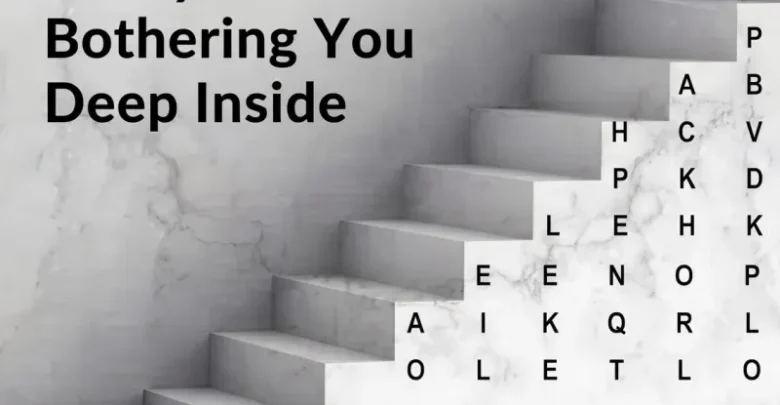
The First Three Colors You Notice in This Word Search: A Fun Puzzle About Emotions, Everyday Life, and Self-Reflection
Sometimes, the simplest puzzles can capture our attention in surprisingly entertaining ways. A collection of hidden words, an unusual arrangement of letters, or a colorful visual challenge can encourage us to slow down, concentrate, and enjoy a moment of curiosity.
One popular word search circulating online invites participants to identify the first three color names they notice within a staircase-shaped arrangement of letters.
According to the playful interpretation accompanying the challenge, the colors you discover may serve as conversation starters about your emotions, everyday experiences, personal preferences, and current priorities.
Perhaps you immediately notice red, blue, or green. Another person might discover yellow, purple, or white before finding anything else.
Everyone approaches visual puzzles differently, which is part of what makes these challenges enjoyable.
However, before exploring the popular interpretations associated with each color, it is important to understand that this activity is designed entirely for entertainment.
The first three colors you notice cannot scientifically determine your personality, emotional condition, subconscious thoughts, or mental health.
Instead, consider this word search an enjoyable opportunity to explore color symbolism, take a short break from your daily routine, and reflect on the things that matter to you.
How to Participate in This Color Word Search
The rules of this entertaining visual challenge are simple.
-
Look carefully at the word search image.
-
Find the first three color names that naturally catch your attention.
-
Remember the colors in the order you noticed them.
-
Explore the playful interpretations associated with each color.
-
Compare your results with friends or family members for fun.
There is no correct or incorrect combination of colors.
Some participants may discover their three words almost immediately, while others may need additional time to examine the arrangement.
Your results do not represent a score, psychological assessment, or measurement of intelligence.
The goal is simply to enjoy the experience.
Why Color Puzzles Capture Our Attention
Color-themed puzzles combine several elements that make visual challenges entertaining.
They encourage concentration, curiosity, pattern recognition, and interaction with familiar words.
Unlike complicated activities that require specialized knowledge, a color word search is accessible to people with different interests and backgrounds.
Most participants already recognize common color names, allowing them to begin immediately.
Finding a hidden word can create a small sense of accomplishment, particularly when the arrangement initially appears difficult.
The challenge can also become an enjoyable social activity.
Friends and family members may discover completely different combinations, even when looking at the same arrangement of letters.
These differences can lead to interesting conversations about visual attention, personal preferences, and the ways people approach everyday tasks.
However, noticing a particular word before another does not establish a hidden emotional meaning.
The entertaining nature of the activity comes from curiosity rather than scientific prediction.
Understanding the Difference Between Color Symbolism and Psychology
Colors have long been associated with different ideas, traditions, artistic expressions, and cultural meanings.
Red may remind someone of energy, while blue may suggest peaceful surroundings. Green frequently appears in discussions about nature, and yellow is often associated with sunshine.
These associations can influence interior design, fashion, advertising, artwork, and other creative activities.
However, color symbolism is not universal.
Different people may associate the same color with completely different experiences.
Cultural background, personal memories, artistic preferences, and individual circumstances can all influence the way someone interprets a particular shade.
A word search cannot measure psychological conditions or reveal information that someone has not consciously recognized.
The descriptions below are imaginative interpretations inspired by popular color symbolism.
They should be enjoyed as optional reflection prompts rather than factual statements about the participant.
Red – Energy, Expression, and the Importance of Balance
RED
Popular symbolism: Energy, determination, enthusiasm, and expression.
Red is one of the most visually distinctive colors in everyday life.
It appears in flowers, fashion, decorative accessories, artwork, and countless other familiar environments.
Its bold appearance frequently makes it an important element of creative design.
In the playful interpretation of this word search, red is associated with energy, personal expression, determination, and strong enthusiasm.
If you noticed red among your first three colors, you might use it as an opportunity to reflect on how you currently express your thoughts and ideas.
Perhaps you have been focusing on an important personal project.
Maybe you are preparing to begin something new or simply appreciate the confidence associated with bold colors.
Alternatively, red may have caught your attention because its letters were positioned in an easily recognizable part of the puzzle.
Finding Balance in a Busy Routine
Everyday responsibilities can sometimes leave people with limited opportunities to enjoy their personal interests.
Setting aside time for enjoyable activities can help create a more balanced routine.
A peaceful walk, a creative hobby, listening to music, or spending time with loved ones may provide a welcome change of pace.
Red can serve as a playful reminder that enthusiasm and determination are most enjoyable when accompanied by appropriate rest and balance.
Its appearance in your puzzle results does not establish anything about your emotional condition.
It is simply an invitation to explore an interesting symbolic association.
BLUE
Popular symbolism: Calmness, trust, peaceful surroundings, and reflection.
Blue is frequently associated with some of nature’s most recognizable landscapes.
Clear skies, peaceful lakes, ocean views, and distant mountain scenery often incorporate beautiful shades of blue.
For many people, these environments create associations with relaxation and quiet moments.
In this entertaining color challenge, blue represents the idea of appreciating peaceful experiences and meaningful personal connections.
If blue was one of the first colors you noticed, you could consider whether your daily routine includes enough time for activities you genuinely enjoy.
Perhaps you appreciate reading, spending time near nature, listening to gentle music, or enjoying conversations with close friends.
These ordinary experiences can become meaningful parts of everyday life.
Creating a Peaceful Personal Environment
Small changes to your surroundings can sometimes make everyday spaces more enjoyable.
Comfortable lighting, organized furniture, decorative plants, and calming color combinations may contribute to a welcoming atmosphere.
Blue is frequently used in bedroom interiors, living spaces, and decorative accessories because many people appreciate its appearance.
However, its effect varies according to individual preferences.
Finding the word blue does not indicate sadness, loneliness, or any particular emotional state.
You may simply like the color or have noticed its familiar arrangement of letters.
Yellow – Optimism, Curiosity, and New Opportunities
YELLOW
Popular symbolism: Sunshine, curiosity, creativity, and optimism.
Yellow is a cheerful and distinctive color frequently associated with sunshine, beautiful flowers, and warm seasonal landscapes.
Its bright appearance makes it popular in artwork, decorative designs, clothing, and creative projects.
Within this playful word search interpretation, yellow represents curiosity and the possibility of exploring something new.
Perhaps you have been considering a creative hobby, learning a new skill, or making small improvements to your everyday routine.
The appearance of yellow could become a fun opportunity to think about experiences you would like to enjoy in the future.
Of course, the puzzle itself cannot identify your ambitions or predict upcoming opportunities.
Its value comes from the conversation it may inspire.
Making Everyday Goals More Manageable
Large personal projects can sometimes feel complicated when viewed as a single task.
Breaking them into smaller, achievable steps can make planning more practical.
Whether someone wants to organize their home, learn a musical instrument, improve a garden, or develop a creative hobby, gradual progress can help establish a manageable routine.
Yellow may serve as a symbolic reminder to appreciate small achievements.
However, finding this color does not provide evidence of worry, uncertainty, or any other emotional condition.
It remains an enjoyable part of the visual challenge.
Green – Nature, Personal Growth, and Fresh Beginnings
GREEN
Popular symbolism: Nature, growth, renewal, and harmony.
Green is closely associated with the natural world.
Forests, gardens, rolling hills, and fresh spring vegetation display countless shades of this beautiful color.
Its association with growing plants makes green a familiar symbol of renewal and development.
In this entertaining puzzle, green represents the idea of appreciating personal growth and new beginnings.
Discovering this word might inspire you to reflect on a new interest, a recently completed project, or something you would like to learn.
Personal development can involve many different activities.
Some people enjoy learning practical skills, while others appreciate creative expression, gardening, travel, education, or meaningful conversations.
Appreciating the Beauty of Nature
Spending time in natural surroundings can be an enjoyable way to introduce variety into an everyday routine.
Visiting a garden, walking through a park, or caring for household plants may provide opportunities to appreciate seasonal changes.
Green decorative elements can also introduce a natural appearance into residential interiors.
Plants, nature-inspired artwork, and attractive textiles may help create welcoming personal spaces.
The appearance of green in your word search results does not indicate a specific stage of personal development.
It is simply a familiar color with interesting cultural and artistic associations.
Black – Elegance, Simplicity, and Personal Reflection
BLACK
Popular symbolism: Elegance, sophistication, simplicity, and reflection.
Black is one of the most versatile colors in fashion, architecture, photography, and interior design.
It can create a sophisticated appearance, provide visual contrast, and complement many other shades.
Traditional formal clothing frequently incorporates black because of its timeless and understated character.
In this playful challenge, black may be associated with appreciating simplicity and taking time for personal reflection.
Perhaps you enjoy minimalist interiors, classic fashion, black-and-white photography, or elegant decorative arrangements.
Some people prefer understated colors because they find them visually appealing.
Others associate black with creativity, individuality, or traditional design.
The Timeless Appeal of Minimalism
A minimalist approach often emphasizes functionality, thoughtful organization, and carefully selected belongings.
For individuals who appreciate simplicity, reducing unnecessary clutter may make personal spaces easier to maintain.
A comfortable chair, suitable lighting, a few decorative accessories, and an organized environment can create an attractive setting without requiring elaborate furnishings.
Black can complement this type of design through furniture, frames, lighting fixtures, and decorative accents.
There is no reason to attach a negative emotional meaning to finding the word black.
It is a familiar color with countless positive artistic and practical associations.
WHITE
Popular symbolism: Simplicity, clarity, freshness, and organization.
White is frequently associated with clean visual designs, bright interiors, and simple decorative arrangements.
It appears in traditional architecture, modern fashion, flowers, artwork, and countless other familiar environments.
In this entertaining puzzle, white represents the symbolic idea of creating space for the things you value.
Perhaps you enjoy a well-organized home, a clearly planned schedule, or a comfortable environment with fewer unnecessary distractions.
White is often used in interior design because it can complement a wide variety of materials and decorative colors.
Its versatility makes it an appealing choice for different styles.
Creating a More Organized Everyday Routine
Organization does not necessarily require major lifestyle changes.
Small adjustments can sometimes make everyday tasks more convenient.
Arranging a desk, organizing household belongings, preparing a simple schedule, or creating a comfortable reading area may improve the functionality of personal spaces.
The most useful organizational strategies are usually those that fit an individual’s actual needs and preferences.
White can serve as a lighthearted reminder to appreciate simplicity.
However, noticing the word does not reveal anything about your personality or emotional well-being.
You may simply have recognized it quickly within the arrangement.
Purple – Imagination, Individuality, and Creative Inspiration
PURPLE
Popular symbolism: Imagination, creativity, individuality, and artistic expression.
Purple is a distinctive color frequently associated with artistic design and creative expression.
Its many shades range from soft lavender to rich, deep violet.
These variations make purple popular in clothing, home decorating, floral arrangements, and artistic projects.
Within this playful word search, purple represents the enjoyment of imagination and creativity.
Finding this color might inspire you to explore an artistic interest or revisit an enjoyable hobby.
Photography, painting, music, creative writing, gardening, and interior decorating are just a few examples of activities that allow people to express individual preferences.
Creative activities do not need to produce professional results to be worthwhile.
The experience of making something enjoyable can be meaningful on its own.
Rediscovering the Joy of Creative Hobbies
Many adults spend considerable time managing professional responsibilities and household tasks.
Making room for creative interests can introduce variety into everyday routines.
Learning to draw, experimenting with photography, decorating a room, or creating handmade gifts may provide enjoyable opportunities for personal expression.
Purple can become an imaginative symbol of these possibilities.
Nevertheless, finding purple in a word search does not establish that you possess particular artistic abilities or undiscovered creative talents.
It remains an entertaining interpretation inspired by popular color associations.
Orange – Warmth, Enthusiasm, and Enjoying New Experiences
ORANGE
Popular symbolism: Warmth, enthusiasm, adventure, and social enjoyment.
Orange combines the visual warmth commonly associated with red and yellow.
Its bright appearance frequently reminds people of autumn landscapes, beautiful sunsets, fresh fruit, and colorful flowers.
In artistic and decorative settings, orange can introduce warmth and personality.
Within this word search game, orange represents the enjoyment of new experiences and everyday discoveries.
Perhaps you enjoy visiting unfamiliar places, trying different recipes, spending time with friends, or exploring new hobbies.
Even small changes to a familiar routine can create opportunities for enjoyable experiences.
Finding Inspiration in Ordinary Moments
Enjoyable experiences do not always require elaborate travel plans or expensive activities.
Visiting a local park, preparing a new meal, discovering an interesting book, or exploring a creative project can introduce variety into everyday life.
Orange can serve as a playful reminder to remain curious about the world around you.
Its appearance in the puzzle does not predict future events or establish anything about your personality.
It simply offers another imaginative interpretation for participants to enjoy.
What Do Your First Three Colors Mean Together?
Finding three different colors can create an entertaining combination of symbolic ideas.
However, these combinations are not psychological profiles.
They are simply creative interpretations that can make the word search more enjoyable.
Explore your three-color combination
Select the first three colors you noticed in the original word search.
0 of 3 colors selectedReset selectionsFor entertainment only. This activity is not a psychological assessment.
Why Different People Notice Different Words
Two people can look at exactly the same word search and discover completely different colors.
This is not particularly surprising when considering how people approach visual information.
Some individuals begin examining letters from the upper-left corner, while others look toward the center of an image.
Certain words may appear familiar because of their length, letter arrangement, or relationship to previously noticed patterns.
Personal expectations may also influence what someone searches for.
If a participant particularly likes blue, for example, they might intentionally or unintentionally spend more time looking for that word.
The size of the image, screen brightness, viewing distance, and arrangement of the letters may also influence the experience.
These ordinary differences provide more reasonable explanations for varying puzzle results than claims about hidden personality characteristics.
The enjoyable part is discovering how people approach the same challenge in different ways.
The Popularity of Word Searches Across Generations
Word searches have remained familiar forms of entertainment for many years.
They can be found in newspapers, educational activity books, magazines, websites, and mobile applications.
Their popularity comes partly from their simple format.
Participants do not need extensive instructions or specialized equipment to begin.
A few minutes of attention may be enough to enjoy the challenge.
Word searches can also appeal to people with different levels of experience.
Children may enjoy finding familiar vocabulary, while adults might appreciate more complicated arrangements.
Older participants may enjoy puzzles as part of their preferred leisure activities.
However, performance in a recreational word search should not be used to assess someone’s intelligence, memory, or medical condition.
The activity is most enjoyable when participants are free to complete it at their own pace.
Exploring Color Through Interior Design
One interesting way to appreciate color symbolism is through home decorating.
Colors can influence the visual appearance of living spaces and help homeowners create environments that reflect their personal preferences.
Soft blues and greens may complement nature-inspired interiors.
White and neutral shades can provide a simple background for furniture and decorative accessories.
Red, yellow, orange, and purple may introduce distinctive accents.
Black can provide contrast and create an elegant appearance when combined with other materials.
However, no universal color combination is suitable for every home.
Room dimensions, lighting, architectural style, furniture, and personal preferences should all be considered.
The most attractive interiors are often those designed around the actual needs and tastes of their occupants.
A color word search can become a playful source of inspiration for exploring decorative ideas.
Color Associations in Everyday Life
| Color | Popular Symbolic Association | Everyday Inspiration |
|---|---|---|
|
Red |
Energy and expression | Creative projects |
|
Blue |
Calmness and connection | Peaceful surroundings |
|
Yellow |
Curiosity and optimism | Learning something new |
|
Green |
Nature and growth | Gardening and outdoor activities |
|
Black |
Elegance and simplicity | Classic fashion |
|
White |
Clarity and organization | Interior decorating |
|
Purple |
Creativity and imagination | Artistic hobbies |
|
Orange |
Warmth and enthusiasm | New experiences |
These associations are illustrative and should not be interpreted as scientific findings.
Enjoying Puzzles as Part of a Balanced Lifestyle
Leisure activities can provide enjoyable opportunities to take a break from everyday responsibilities.
Some people prefer reading books, while others enjoy photography, gardening, music, board games, or visual puzzles.
The best recreational activities are often those that match an individual’s interests and available time.
A short word search can be an accessible form of entertainment during a quiet afternoon or a relaxing evening.
It can also become an enjoyable social activity when shared with friends or relatives.
Comparing results may encourage conversations about personal preferences and favorite colors.
However, leisure activities should remain enjoyable rather than becoming sources of pressure.
There is no need to complete every puzzle quickly or achieve a particular result.
The simple experience of participating can be enough.
Using This Color Challenge as a Conversation Starter
One of the most interesting aspects of the color puzzle is its ability to inspire friendly conversations.
Participants may enjoy comparing the words they discovered and discussing the colors they personally prefer.
Someone who noticed green might talk about gardening or nature.
A person who discovered blue might mention a favorite vacation destination near the water.
Another participant could associate purple with artwork or creative hobbies.
These conversations can become enjoyable opportunities to learn about one another’s interests.
The important distinction is that the conversation provides information through what people voluntarily share, not through what the puzzle supposedly reveals.
No individual should feel obligated to accept an interpretation that does not match their experience.
The activity works best when everyone understands that it is simply a game.
Why Personal Preferences Are More Complicated Than a Color Puzzle
Human personality develops through a wide range of experiences, relationships, cultural influences, interests, and individual characteristics.
Reducing these complexities to three hidden words would overlook much of what makes every person unique.
Someone who enjoys red may also appreciate peaceful environments.
An individual who prefers blue might be enthusiastic about adventurous activities.
People who enjoy black clothing may also love bright interior decorations.
Personal preferences frequently change according to circumstances.
A color that looks attractive in clothing may not be someone’s preferred choice for home furnishings.
Recognizing these differences can make discussions about color more interesting and realistic.
Rather than assigning fixed personality categories, it is more useful to appreciate the flexibility of individual preferences.
Frequently Asked Questions About This Color Word Search
What do the first three colors I notice actually reveal?
They indicate which color names you happened to recognize first. They do not scientifically reveal your personality or emotional condition.
Is this a real psychological test?
No. This activity is a recreational word search intended entirely for entertainment and optional personal reflection.
Does finding red mean that I am frustrated?
No. Red has many cultural and artistic associations. Finding the word does not establish a particular emotional state.
Does noticing blue mean that I am unhappy?
No. Blue may simply have been one of the easiest words for you to recognize.
What does green symbolize?
In popular color symbolism, green is frequently associated with nature, renewal, and growth.
What if I notice black first?
There is no negative significance. Black is a versatile color commonly associated with elegance, contrast, and simplicity.
Can my results change when I repeat the puzzle?
Yes. Familiarity with the arrangement, attention, expectations, and viewing conditions may influence which words you notice.
Can I share the challenge with friends?
Certainly. Comparing different combinations can be an enjoyable social activity.
Does completing a puzzle quickly indicate higher intelligence?
No. This informal activity is not designed or validated to measure intelligence.
Is there a correct combination of colors?
No. Every combination is equally acceptable because the activity is intended for entertainment.
Final Thoughts: A Simple Color Puzzle That Celebrates Curiosity and Individuality
The first three colors you discover in this entertaining word search may create an interesting opportunity to explore familiar color associations and personal preferences.
Red can symbolize energy, blue can represent peaceful surroundings, yellow may remind us of sunshine, and green frequently brings nature to mind.
Black can suggest timeless elegance, white may represent simplicity, purple can inspire creativity, and orange often brings warmth and enthusiasm.
However, these interpretations remain imaginative associations rather than scientific conclusions.
The most valuable part of the activity is the enjoyment that comes from discovering hidden words, exploring familiar colors, and sharing the experience with others.
Every individual has a unique collection of interests, experiences, preferences, and personal qualities that cannot be summarized by a simple puzzle.
Whether you discovered red, blue, green, purple, or an entirely different combination, your results are simply part of the fun.
Enjoy the challenge, appreciate the beauty of different colors, and remember that curiosity can make even an ordinary moment more entertaining.
Which three colors did you notice first? Share your combination with your friends and family, and see whether they discovered the same words or something completely different.
This article is intended for entertainment and general information only. The color interpretations are symbolic and are not scientifically validated personality assessments, psychological tests, or medical advice.
Thank you for playing along! We hope you enjoyed this entertaining color challenge. Come back soon for more fun puzzles, fascinating discoveries, and enjoyable visual activities.