Affordable Homes
Secluded Wooded Acreage with Creek in Naoma, West Virginia
Secluded Wooded Acreage with Creek in Naoma, West Virginia

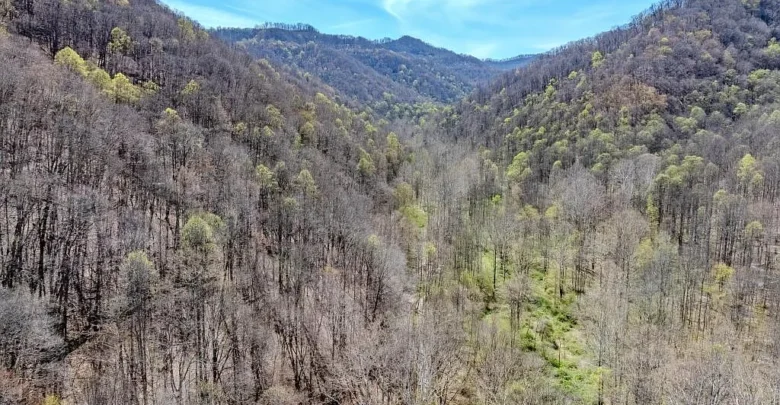
Wooded Land in Naoma, West Virginia: A Private Appalachian Setting with Trails, a Creek, and Retreat Potential
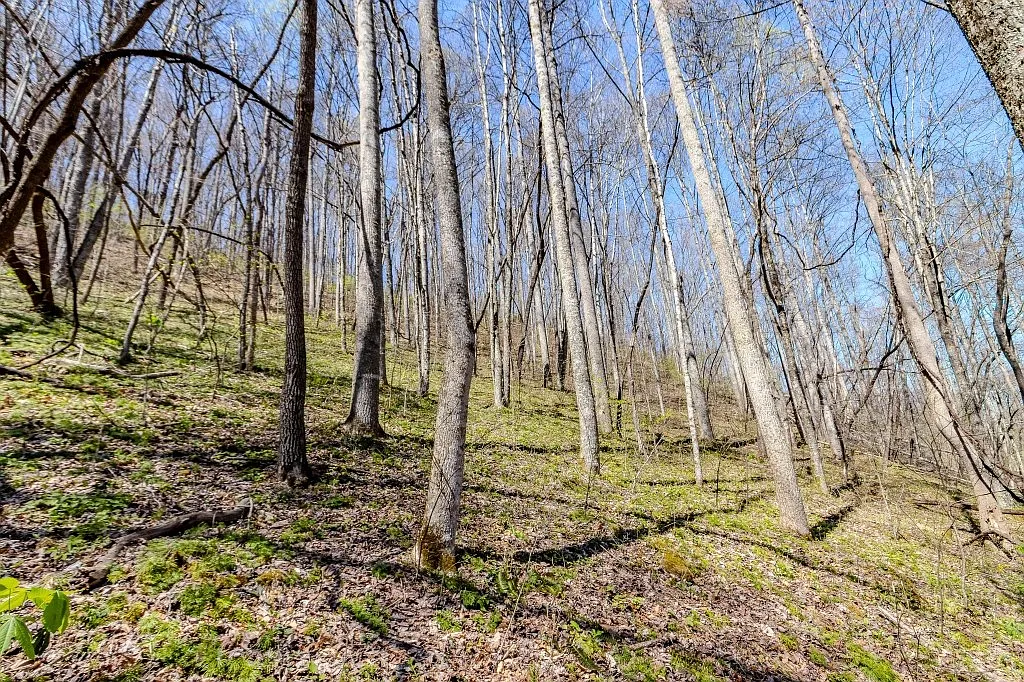
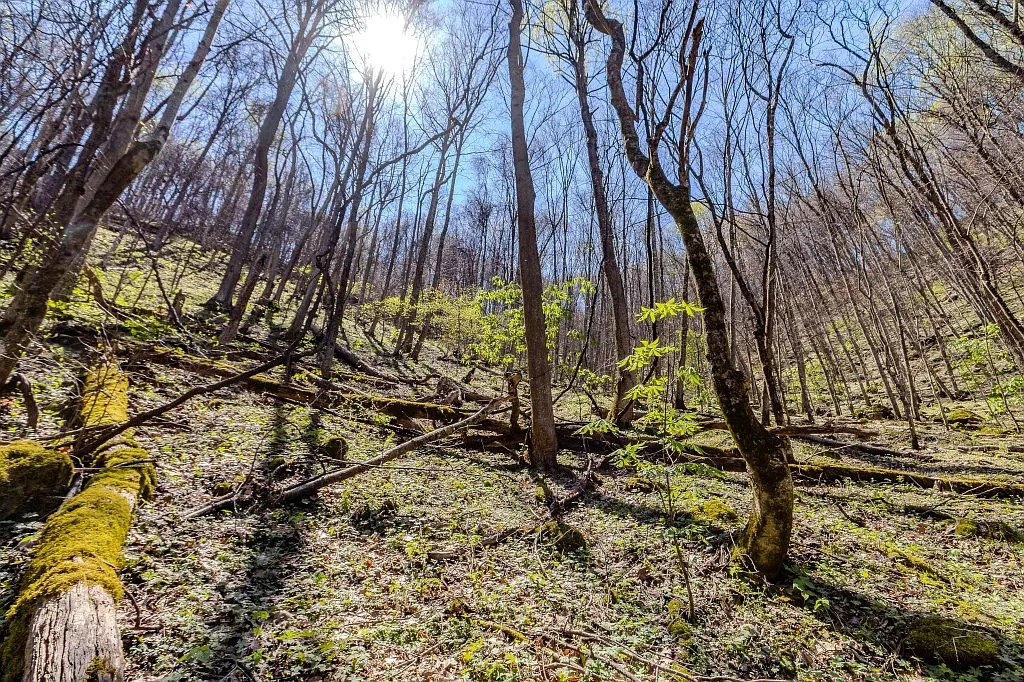
Tucked into the peaceful hills outside Naoma, West Virginia, this wooded property offers an appealing setting for buyers who want space, privacy, and a closer connection to the outdoors. Mature woods cover much of the land, creating a landscape shaped by Appalachian scenery, wooded slopes, and natural features.
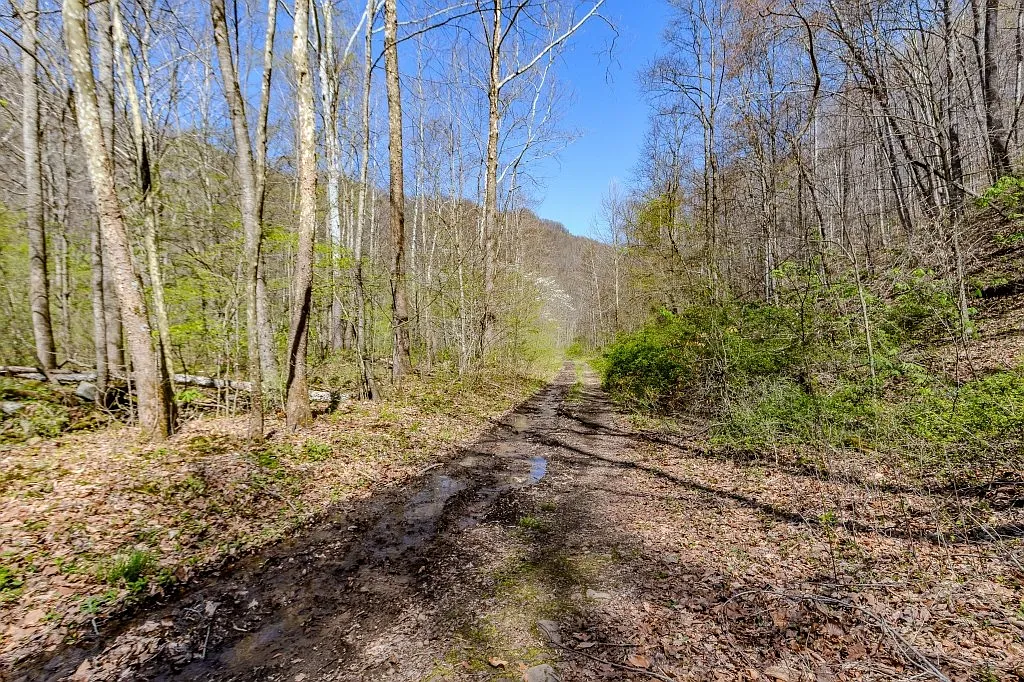
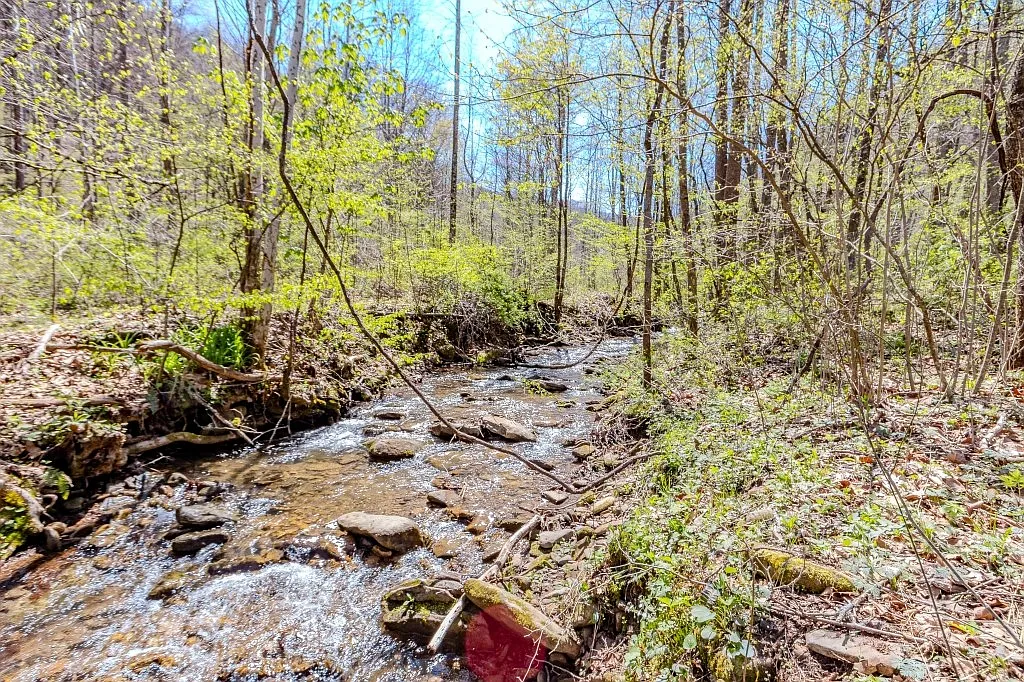
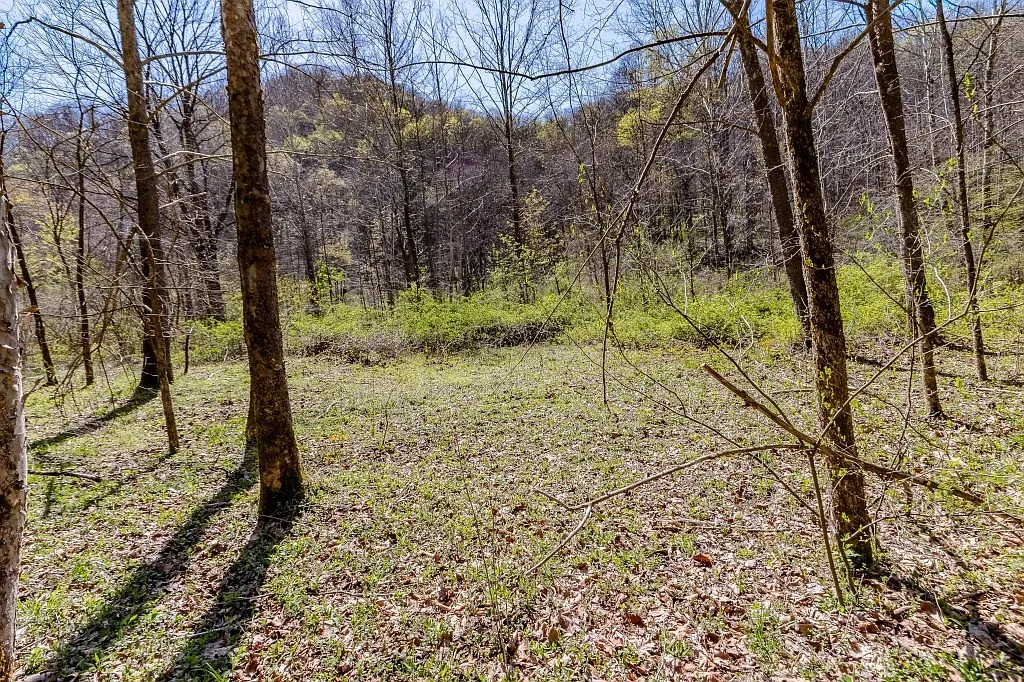
The supplied description highlights existing ATV and logging roads, a creek near the road, and a flatter section identified as potentially suitable for a cabin, small retreat, or camper setup. Together, these features give buyers several starting points for exploring the property and imagining how they might use it.
The land is also described as having no homeowners association, covenants, or major restrictions. Those reported conditions may interest buyers looking for flexibility, although any intended use should still be checked against current property records and applicable requirements.
For someone considering recreational acreage, a mountain getaway, or a future cabin site, this Naoma property presents a combination of wooded character and existing access worth exploring in detail.
A Wooded Setting in the Hills of West Virginia
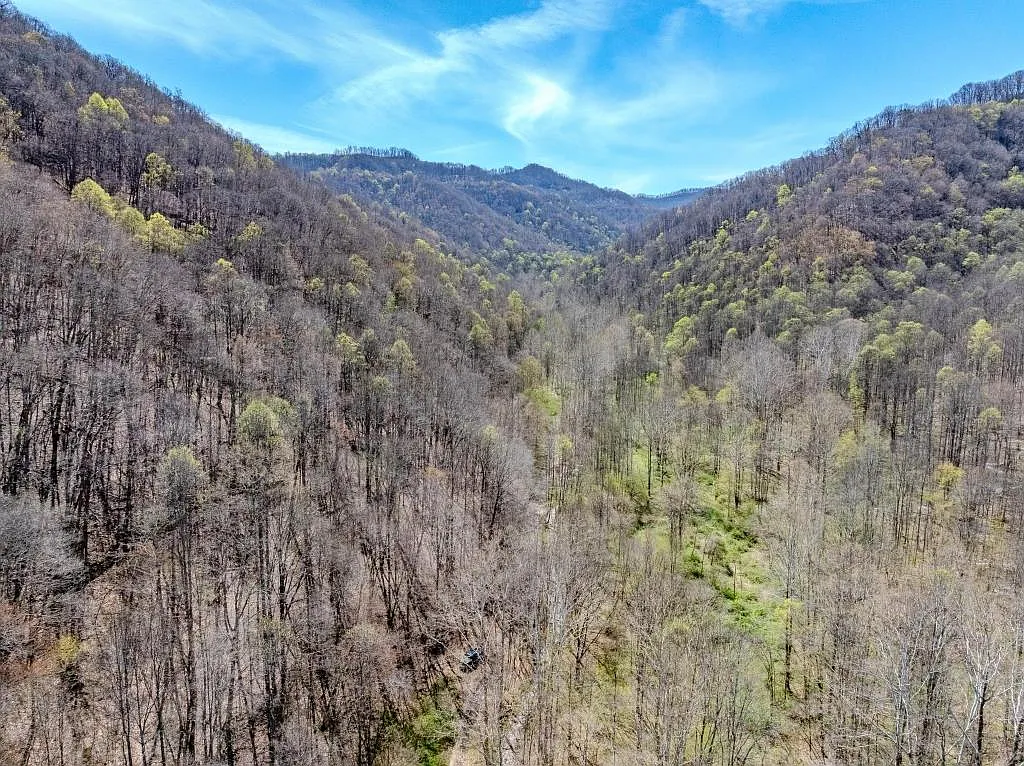
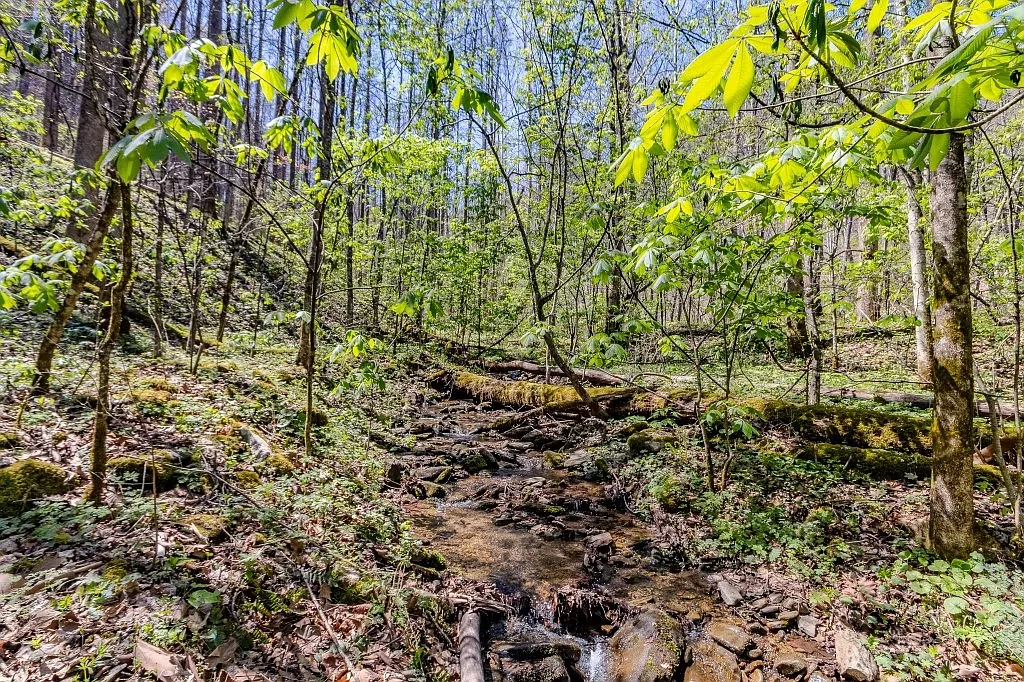
The property’s strongest attraction is its natural setting. Much of the land is covered with mature woods, giving it an established landscape rather than the appearance of a recently cleared tract.
Wooded hills offer a different experience from open fields. Views change as a person moves through the trees, and the surrounding terrain can create distinct areas within the same property. A sheltered spot near the creek may feel different from a higher section of ground or an opening along an existing trail.
For buyers who appreciate Appalachian scenery, that variety can be part of the appeal. The land offers an opportunity to spend time among trees and observe the landscape through different seasons.
The supplied description does not identify tree species, timber quantities, or forest condition. A visit can help buyers understand the woods more clearly, including the density of vegetation, the ease of movement, and any areas needing attention.
Privacy That Comes from the Landscape
The land is presented as secluded, with a quiet atmosphere outside the small community of Naoma. That setting may appeal to buyers who want somewhere to step away from their usual surroundings and spend time outdoors.
Privacy on wooded acreage depends on several factors. Terrain, tree cover, neighboring uses, and the location of access roads all influence how isolated a particular area feels. The most private spot on a property may be some distance from its entrance.
Walking the land can help buyers discover where they would prefer to spend time. It also provides a chance to observe nearby buildings, road activity, and the relationship between the property and surrounding parcels.
Because the description does not include a survey or boundary map, the extent of the privacy should be assessed alongside verified property lines. Understanding both the landscape and the boundaries gives a more useful picture of the setting.
Existing ATV and Logging Roads
Existing ATV and logging roads are an important feature of this property. They provide routes through different areas of the land and may make it easier to explore than acreage without any established internal access.
These routes can help buyers understand the terrain, reach points of interest, and assess possible locations for future activities. They may also provide a starting point for maintenance access or a recreational trail network.
However, an existing road does not establish that it is suitable for every vehicle or usable in all weather. Width, grade, surface condition, drainage, and vegetation can affect its practicality. A route that works for an ATV may require substantial improvements before accommodating construction deliveries or larger vehicles.
During a viewing, buyers should inspect the roads and ask about their history and upkeep. They should also confirm that the routes they intend to use are within the property or covered by appropriate access rights.
A Creek Adds Character to the Landscape
The creek near the road introduces a water feature that adds interest to the property. Flowing water can make a wooded setting feel particularly inviting, providing a natural point around which to pause and enjoy the surroundings.
Its location near the road may make it relatively easy to observe during an initial visit. Buyers can look at the banks, surrounding ground, and how water moves through the area.
The description does not establish whether the creek flows throughout the year, lies entirely within the property, or follows a boundary. Those details should be clarified before making plans around it.
Water also influences how nearby land can be used. Drainage, erosion, and the condition of any crossing deserve attention. Buyers considering a cabin or camper site should understand how the proposed location relates to the creek, especially during wetter conditions.
The creek’s appeal is strongest when its beauty is considered alongside an accurate understanding of the surrounding terrain.
A Flatter Section with Possible Retreat Uses
Among the wooded hills, the description identifies a flatter section that could be suitable for a cabin, small retreat, or camper setup. This is a useful feature because relatively level ground can offer a more practical starting point for certain activities.
A flatter area may be easier to walk across, arrange as a sitting space, or evaluate for a future structure. Its usefulness will depend on its dimensions, soil conditions, drainage, and accessibility.
Although the supplied description calls the section buildable, that wording does not establish approval for a particular project. Buyers should confirm whether the site can support their intended use, including any required utilities, wastewater arrangements, and access improvements.
A careful site assessment can help turn a broad idea into a realistic plan. The right location for a cabin is not determined by level ground alone; it also depends on how the site functions within the wider property.
Imagining a Cabin in the Woods
A small cabin is one of the possibilities suggested for this acreage. For buyers drawn to a private mountain getaway, the idea of a simple place among the trees may be especially appealing.
The surrounding woods could provide a natural backdrop for a modest retreat, while existing internal roads may help identify a suitable approach. The flatter section offers a place to begin evaluating where a structure might fit.
Before choosing a cabin design, buyers should establish the practical limits of the site. Vehicle access, foundation needs, water availability, wastewater options, and electrical service can all influence what is achievable.
The description does not confirm that these services are installed or readily available. It also does not identify an existing dwelling.
For someone interested in creating a retreat, the property offers a landscape to explore and assess. A thoughtful plan can then be developed around verified conditions rather than assumptions about what wooded land can support.
Camping and a Simple Outdoor Getaway
The property is also presented as suitable for recreation and camping. For buyers who want to enjoy land without immediately building a permanent structure, that possibility may be attractive.
A camping area could provide a base for walking, observing the woods, or spending a weekend outdoors. The flatter ground may be worth examining for this purpose, provided its condition and permitted use support the plan.
A camper setup brings additional questions. Buyers should check whether the access route can accommodate the vehicle, whether there is adequate room to turn and park, and how waste and water needs would be managed.
The description does not confirm a prepared campsite, hookups, or facilities. Those distinctions matter when comparing occasional recreational use with a more developed setup.
Starting with a clear idea of how often the property would be used can help buyers determine what improvements, if any, would be necessary.
Recreational Possibilities Across the Acreage
The combination of woods, hills, internal roads, and water gives the property several points of interest for outdoor recreation. Buyers may be drawn to walking, ATV use, wildlife observation, photography, or simply spending time in a quieter environment.
Each activity places different demands on the land. Walking routes may need only limited clearing, while vehicle trails require attention to surface conditions and drainage. A comfortable place to sit may depend on shade, access, and distance from the road.
The supplied description does not state the total acreage. That figure is essential for understanding the scale of the offering and how different uses might fit together.
A viewing can help buyers identify areas suited to their preferred activities. Rather than treating the entire property as equally usable, it is helpful to recognize the distinct roles of flatter ground, wooded slopes, access routes, and the creek area.
Hunting Interest and Wildlife Observation
The description mentions wildlife and identifies hunting as one potential use. Wooded acreage may interest buyers who want a place to observe animals or evaluate the land for seasonal outdoor activities.
However, the presence of woods does not establish a particular wildlife population or hunting quality. Habitat, neighboring land uses, available food sources, and the size and shape of the parcel can all influence what a buyer encounters.
Anyone considering hunting should confirm property boundaries, access rights, and the requirements that apply to their intended activity. The supplied information does not establish specific hunting rights, species availability, or a history of successful use.
For buyers focused on observation, the property may offer opportunities to watch changes in the landscape and notice animal activity during visits. Spending time on the land can provide a more grounded understanding of its natural character than relying on a general description alone.
Reported Freedom from HOA Rules and Covenants
The property is described as having no HOA, covenants, or major restrictions. That reported flexibility may appeal to buyers who want more control over how they use and maintain their land.
Without an association, there may be fewer private community rules governing certain choices. Nevertheless, buyers should verify the statement through current records and clarify what “no major restrictions” means for this particular parcel.
Plans for construction, camping, access changes, wastewater systems, or other improvements may still be subject to applicable requirements. Easements and reserved rights can also affect how land is used.
This review is most useful when tied to a specific plan. Someone considering occasional camping will have different questions from a buyer planning a permanent residence.
Understanding the relevant conditions early allows the buyer to assess flexibility accurately and decide whether the property supports the use they have in mind.
Outside Naoma and Within Reach of Beckley
The location offers a rural atmosphere outside Naoma while remaining within reach of Beckley, according to the supplied description. That relationship may suit buyers who want a secluded destination with access to services beyond the immediate community.
The listing information does not provide an exact address, mileage, or travel time. Buyers should therefore check the route to the property and the destinations they expect to use.
The journey matters as much as the distance. Road type, turns, terrain, and the final approach can influence how convenient the land feels, particularly for weekend visits or transporting equipment.
Testing the route with the intended vehicle can be helpful. It can also reveal whether access remains straightforward when towing a camper or carrying supplies.
A property that feels remote can still be practical to visit, but that balance needs to be assessed against the buyer’s own routines and expectations.
Understanding the Work of Owning Wooded Land
Wooded acreage can provide enjoyment, but it also requires a realistic approach to maintenance. Existing trails may need clearing, drainage features may need attention, and trees near frequently used areas may require assessment.
The amount of work depends on how actively the land is used. A buyer who wants only occasional visits may choose to maintain a small portion, while someone planning a cabin or extensive trail use may need a more involved approach.
The creek and sloping terrain add further considerations. Buyers should observe where water collects or crosses routes and how those conditions could affect access.
A manageable plan begins with identifying priorities. Maintaining a reliable entrance, a usable route to the main activity area, and a comfortable base may be more useful initially than trying to improve every part of the acreage.
A West Virginia Property with Room for a Personal Vision
This wooded land near Naoma offers a combination of Appalachian scenery, existing ATV and logging roads, a creek near the road, and a flatter area with possible retreat uses. Its described privacy and rural setting make it appealing to buyers looking for a place to spend time outdoors.
The property’s potential will be clearest once essential details are confirmed, including acreage, boundaries, legal access, utility availability, and the requirements affecting any proposed project.
For someone interested in a cabin site, recreational land, or a private mountain getaway, the offering provides several natural features around which to develop a plan. A careful visit can reveal how the woods, roads, flatter ground, and water fit together—and whether this peaceful West Virginia setting is the right place for that vision.



Watch Zillow