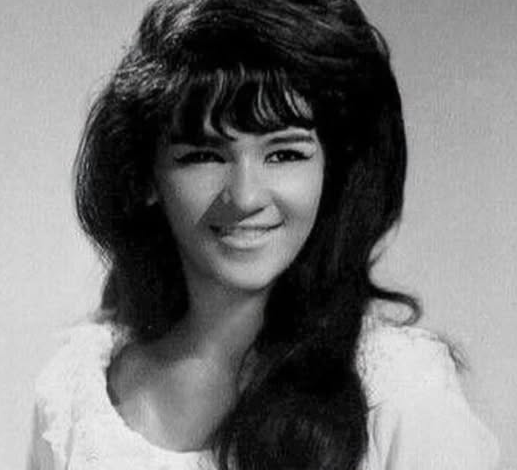
Nedra Talley Ross, Founding Member of The Ronettes, Remembered for a Lasting Musical Legacy
The music world is remembering Nedra Talley Ross, the singer and founding member of the legendary 1960s girl group The Ronettes, whose harmonies and stage presence helped create some of the most recognizable recordings of the era.
Talley Ross died at the age of 80, marking the end of an important chapter in the history of one of popular music’s most influential girl groups.
For decades, The Ronettes remained closely associated with the sound and style of the 1960s. Their dramatic vocals, distinctive image, and memorable recordings helped establish them as one of the defining acts of the girl-group era.
Songs such as “Be My Baby,” “Baby, I Love You,” and “Walking in the Rain” continued to reach new audiences long after their original release.
While Ronnie Spector became the group’s most widely recognized lead vocalist, Nedra Talley Ross played an essential role in the group’s harmonies, performances, and overall identity.
Her contribution helped create a musical legacy that would influence generations of singers, producers, and musicians.
Growing Up in New York City
Nedra Yvonne Talley was born in New York City and grew up in an environment that would eventually shape one of the most important musical groups of the 1960s.
She performed alongside her cousins, Veronica “Ronnie” Bennett and Estelle Bennett, long before they became internationally known as The Ronettes.
The three young performers developed their musical abilities together and gradually began building a reputation through local appearances and performances.
Their early experiences eventually led them toward the professional music industry.
What began as a family connection and a shared interest in singing developed into a group that would soon become part of American popular music history.
The trio’s background also contributed to their distinctive identity.
They brought together powerful vocals, confidence, fashion, and a style that stood apart from many other performers of the era.
The Rise of The Ronettes
The Ronettes achieved their breakthrough during the early 1960s.
Their success came during a period when girl groups played a major role in shaping American popular music.
However, The Ronettes developed a style that immediately separated them from many of their contemporaries.
Their performances combined strong vocal harmonies with a dramatic visual identity.
The group’s famous hairstyles, makeup, and stage presence became instantly recognizable.
Their music was equally distinctive.
Working with producer Phil Spector, The Ronettes became associated with the elaborate recording approach later known as the “Wall of Sound.”
This production style used multiple instruments, layered arrangements, and vocal performances to create recordings with a rich and powerful sound.
The Ronettes became one of the most successful groups connected with that era of music production.
The Importance of “Be My Baby”
Among the group’s most famous recordings, “Be My Baby” became one of the defining songs of the 1960s.
The song’s recognizable opening and powerful arrangement helped establish it as a lasting classic.
Although Ronnie Spector’s lead vocal became the centerpiece of the recording, the group’s overall sound depended on the combined contributions of all three members.
Nedra Talley Ross and Estelle Bennett helped create the harmonies that gave The Ronettes their distinctive vocal character.
That combination of voices was an essential part of what made the group memorable.
The Ronettes later recorded other successful songs, including “Baby, I Love You,” “Walking in the Rain,” and “(The Best Part of) Breakin’ Up.”
Their recordings continued to influence musicians long after the group’s most active years had ended.
More Than a Supporting Voice
It can be easy for music history to focus primarily on the most visible member of a group.
Ronnie Spector became the public face and lead voice of The Ronettes, but Nedra Talley Ross was an important part of the group’s musical foundation.
Her harmonies and performances contributed to the sound audiences recognized.
The success of a vocal group rarely depends on one person alone.
Harmony requires coordination, timing, and an ability to create a unified sound.
The Ronettes succeeded because their three voices worked together in a way that became instantly recognizable.
Nedra’s role deserves to be understood within that larger picture.
She was part of the original foundation of a group whose influence would eventually extend far beyond its relatively short recording career.
Touring During One of Music’s Most Important Eras
The Ronettes performed during an extraordinary period in popular music history.
The 1960s brought dramatic changes to the music industry, with American and British artists influencing one another and new forms of popular music rapidly emerging.
The Ronettes performed alongside and crossed paths with some of the biggest names of the era.
The group toured with major artists and became part of an international music scene that was changing rapidly.
Their connection with the period helped ensure that their story remained part of the larger history of rock and pop music.
Although their time as an active group was relatively brief, their influence lasted much longer.
Their recordings became cultural landmarks and continued to be played, rediscovered, and celebrated by later generations.
Choosing a Different Life After The Ronettes
After The Ronettes ended their original run, Nedra Talley Ross chose a path that differed from the traditional story of a former pop star constantly seeking a return to the spotlight.
She moved away from the intense world of mainstream entertainment and focused on family, faith, and other personal priorities.
Her life after The Ronettes was not simply a disappearance from music.
Reports about her later years show that she remained involved in music in different ways, including work connected to Christian and contemporary religious music.
She released the album “Full Circle” and continued to pursue creative interests while living a more private life.
Her decision reflected a different understanding of success.
For some performers, success means remaining constantly visible.
For Nedra Talley Ross, life after international fame followed a quieter and more personal direction.
Faith and Family Became Important Priorities
Faith became an important part of Talley Ross’s life after her years with The Ronettes.
She married broadcaster Scott Ross and became involved in Christian media and music.
Their life together represented a significant change from the world of recording studios, international tours, and the intense attention surrounding the music industry.
She also raised a family and spent many years focused on her life outside the traditional celebrity spotlight.
This part of her story is important because it demonstrates that an artist’s life does not end when their most famous period is over.
Nedra Talley Ross continued to build a meaningful life after her years of pop stardom.
Her priorities simply changed.
Recognition From the Rock and Roll Hall of Fame
In 2007, The Ronettes received one of the highest honors in American music when they were inducted into the Rock and Roll Hall of Fame.
The recognition officially acknowledged the group’s contribution to the history of popular music.
Nedra Talley Ross joined Ronnie Spector and Estelle Bennett in receiving recognition for the group’s lasting influence.
The induction was especially meaningful because The Ronettes had continued to inspire musicians and audiences for decades.
Their music influenced artists across multiple generations and musical genres.
The Rock and Roll Hall of Fame described The Ronettes as one of the defining acts of their era, recognizing the enduring importance of their recordings and influence.
For Talley Ross, the honor represented recognition of work created decades earlier that had never disappeared from popular culture.
The Last Surviving Original Ronette
The deaths of Estelle Bennett in 2009 and Ronnie Spector in 2022 made Nedra Talley Ross the last surviving member of the original Ronettes lineup.
Her passing in 2026 brought the story of the original trio to a deeply significant moment.
The three cousins had started their musical journey together as young women in New York.
They eventually became part of one of the most memorable chapters in 1960s music.
Their individual lives took different directions after the group, but their musical legacy remained permanently connected.
The Ronettes became more than a successful group from one particular decade.
They became an influence that continued through later generations of performers.
Remembering Her Life With Respect and Privacy
Following Nedra Talley Ross’s death, her family confirmed that she had passed away at home surrounded by loved ones.
No public cause of death was announced.
That privacy should be respected.
In an era when the personal lives of public figures are often discussed in enormous detail, it is possible to remember an artist without demanding access to every private aspect of their life.
Nedra Talley Ross gave audiences decades of music and memories.
Her family and loved ones were entitled to maintain boundaries around personal matters.
What remains publicly available is a remarkable professional legacy.
The Music Continues to Reach New Generations
One of the strongest signs of an artist’s lasting influence is the ability of their work to survive changes in technology and musical trends.
The Ronettes began their career during the age of vinyl records and radio.
Today, their music can be discovered instantly by audiences around the world.
New listeners continue to encounter “Be My Baby” and other Ronettes recordings through films, television, streaming services, and popular culture.
The emotional power of their music remains one of the reasons it has survived.
The songs captured feelings that remain familiar across generations: love, hope, excitement, uncertainty, and longing.
Nedra Talley Ross’s voice remains part of those recordings.
A Legacy Beyond Fame
Nedra Talley Ross’s story is not simply about becoming famous and then leaving the spotlight.
It is about the many stages of a life.
She was a young singer from New York.
She became part of one of the most influential girl groups of the 1960s.
She traveled and performed during an extraordinary period in music history.
She later chose family, faith, and a more private life.
And decades after the group’s original success, she received recognition as a member of the Rock and Roll Hall of Fame.
Her legacy demonstrates that public success and personal fulfillment do not always have to follow the same path.
Remembering Nedra Talley Ross
Nedra Talley Ross will be remembered as an important voice in The Ronettes and as part of a musical movement that transformed popular music.
Her contribution helped create recordings that remain instantly recognizable more than half a century later.
While her life after mainstream fame was more private, her work continued to speak through the music.
Every time listeners hear the harmonies of The Ronettes, they are hearing the work of three young women whose voices helped define an era.
Nedra Talley Ross was one of those voices.
Her passing marks the end of the original Ronettes generation, but it does not mark the end of their influence.
The music continues.
The recordings remain.
And the legacy of Nedra Talley Ross will continue to be discovered by listeners who may never have seen her perform live but can still experience the sound she helped create.
Her life reminds us that a lasting legacy is not measured only by years spent in the spotlight, but by the impact a person’s work continues to have long after the stage lights have gone down.