News
My Daughter-in-Law Banned Me From Family Dinner Despite Everything I’d Paid for Them, but What Happened Next Shocked Me
My Daughter-in-Law Banned Me From Family Dinner Despite Everything I’d Paid for Them, but What Happened Next Shocked Me

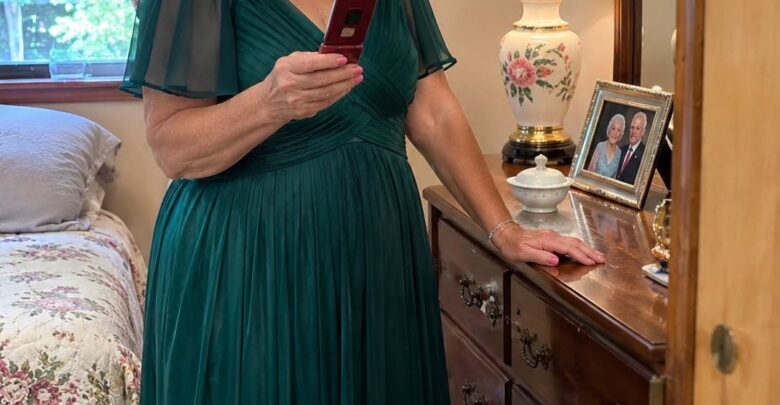
My Son Told Me I Wasn’t Welcome at Dinner—Then His Mother-in-Law Discovered Who Had Been Paying the Bills
This is a fictional story. All names, characters, and events are invented.
At 6:18 on a Saturday evening, my son sent a message that left me sitting motionless at my kitchen table.
“Please don’t come tonight. Genevieve doesn’t want you there.”
I was seventy-seven years old. My coat was hanging over the chair beside me, and a small box of butterfly-shaped cookies waited on the counter for my granddaughter.
I had put on my navy dress and the pearl earrings my late husband, Thomas, gave me for our fiftieth anniversary.
Dinner was supposed to begin at seven.
My son had invited me himself.
I read his message again, searching for an explanation that wasn’t there. Then I set the phone down carefully, as though dropping it might make the words worse.
Over the previous twelve months, I had spent $93,600 helping his household.
That evening, they could not offer me a place at their table.
The Invitation I Had Looked Forward To
My name is Eleanor Kelley, and I live in the Richmond house where Thomas and I raised our three children.
Since his death four years earlier, I had grown accustomed to quiet mornings. I made breakfast for one, kept the garden in reasonable order, and volunteered at the library.
I had friends and interests. Still, an invitation from one of my children could brighten an entire week.
Benjamin, my youngest, called the Tuesday before the dinner.
“The dining room is finally finished,” he said. “We’re having a few people over Saturday. Come at seven, Mom.”
I wrote it on the calendar.
On Friday, I baked cookies for June, his six-year-old daughter. On Saturday afternoon, I ironed my dress.
By six, I was ready.
After the message arrived, I remained in my chair until the kitchen began to darken around me.
How Helping Became a Monthly Obligation
Benjamin’s requests had begun years earlier with ordinary setbacks.
A car repair. An unexpected bill. A gap between jobs.
Thomas and I helped when we could. Later, we contributed toward the down payment on Benjamin and Genevieve’s home.
After Thomas died, the requests became more frequent.
Benjamin had started a landscaping business. Some months were good, he said, but clients paid late and equipment was expensive.
I covered a mortgage payment, then school expenses, then insurance.
Eventually, several payments became automatic.
I told myself this arrangement would end once the business improved.
My older children, Wesley and Serena, worried about it. I defended Benjamin before either of them finished speaking.
“He’s trying,” I would say.
Perhaps he was.
But I had become so accustomed to helping that I no longer asked what would happen if I stopped.
A Folder With My Son’s Name on It
After reading the message, I walked into the living room and opened my old walnut desk.
A thick folder sat in the bottom drawer.
BENJAMIN was written across its tab.
Inside were years of receipts, transfer confirmations, invoices, and notes.
The most recent summary had been prepared with my accountant. The total for the preceding twelve months was $93,600.
I remembered discussing that number and insisting that some expenses were unusual.
A roof repair did not happen every year. Business equipment was an investment. June’s school mattered.
Looking at the papers that evening, I noticed how readily I had explained each payment separately.
Together, they averaged $7,800 a month.
I sat with the folder open across my knees.
Thomas once told me that we could help Benjamin through a difficulty without taking responsibility for every difficulty that followed.
I had been too upset to listen then.
June Asked Where I Was
My phone chimed.
“Grandma, are you coming?”
June’s message included a butterfly and two pink hearts.
I looked toward the box of cookies.
For a moment, I wanted to explain that I had been ready, that I had wanted to see her, that staying home was not my decision.
Instead, I wrote:
“Not tonight, sweetheart. I love you. We’ll have our own visit soon.”
She sent another heart.
I cried after that.
Then I changed out of my dress, put the pearls away, and made myself something to eat.
Before going to bed, I sent Benjamin one reply.
“I will respect your decision about dinner. I’m also ending the financial support. We can discuss the details next week.”
He called almost immediately.
I let it ring.
Reviewing What I Had Agreed to Pay
On Monday morning, I met with Clara, my banker.
I brought the folder and asked for help reviewing the payments connected to Benjamin’s household.
We went through the arrangements carefully. Some were transfers I had scheduled. Others required additional steps to end.
I took notes rather than signing everything at once.
One recurring payment caught my attention.
GKA Design: $2,400 a month.
I recognized the description from my statements. Benjamin had once mentioned design and presentation costs for his business, and I had assumed this was connected.
Now I realized I had never seen an invoice explaining it.
“Can we look more closely at that one?” I asked.
Clara helped me begin a review of the payment authorization.
By the end of the appointment, I had stopped future support where I could and arranged the remaining paperwork.
I left with copies of everything.
Their First Concern Was the Money
Benjamin called before lunch.
“What’s happening with the transfers?”
“I told you I was ending them.”
“Mom, we have bills due.”
“I know.”
“We need more time.”
I agreed to send a written list showing what I had stopped and when. I would not restart the payments.
Genevieve took the phone.
“You’re doing all this because of one dinner?”
“The dinner made me look at an arrangement I should have examined years ago.”
She said I was being emotional.
I was emotional. I was also sitting at my desk with the statements in order and a clear memory of what I had authorized.
Those things could exist together.
The following afternoon, Benjamin said they were coming over to discuss it.
When their car arrived, someone else stepped out of the back seat.
The Visitor I Barely Knew
Genevieve’s mother, Patricia Ashford, stood at the foot of my porch.
We had met at the wedding, June’s christening, and Thomas’s funeral. She lived several hours away, and our conversations had always been brief.
Benjamin reached the door first.
“Mom, we need to sort this out.”
Genevieve stood behind him, her expression controlled.
Patricia looked at me with surprise.
“Mrs. Kelley,” she said. “How are you feeling?”
“Quite well, thank you.”
She glanced toward her daughter.
“I understood you’d been having a difficult time.”
I invited them inside.
Patricia entered slowly, studying the photographs in the hall.
When I offered tea, she looked relieved.
Genevieve said they could not stay long.
Patricia removed her coat.
“I think we should.”
The Story Patricia Had Been Told
We sat in the living room.
Patricia held her cup without drinking.
“Please forgive me if I’ve misunderstood,” she began. “I was told you were receiving residential care.”
I looked at her.
“I’ve never lived anywhere but here.”
She turned toward Genevieve.
Benjamin frowned.
“What are you talking about?”
Patricia explained that her daughter had told her I was experiencing serious memory problems and had moved into a care facility.
According to Genevieve, Benjamin was paying the fees and struggling to manage them.
Patricia had offered help.
For nine months, she had sent her daughter $4,000 each month.
Thirty-six thousand dollars.
The room became very quiet.
I put my cup on its saucer and went to fetch my folder.
Two Mothers Compared Their Records
Patricia read the summary of my contributions.
Then she examined the pages beneath it.
The mortgage assistance. The school payments. The insurance. The household bills.
Benjamin sat down.
“I didn’t know she’d told you that,” he said.
Patricia looked directly at him.
“You haven’t been paying for your mother’s care?”
“No.”
I showed them the recurring payment to GKA Design.
Genevieve stared at the paper.
“Whose company is this?” I asked.
She did not answer immediately.
Patricia repeated the question.
Finally, Genevieve said it was hers.
She had set up a small design business, but the money had also been used for household expenses, purchases, and debts she had concealed.
The transfer from my account had been established while she was helping Benjamin organize payments I had agreed to review with him.
I had not agreed to pay her business $2,400 every month.
Why I Had Been Excluded
Patricia had attended the Saturday dinner.
She had asked whether she could visit me before returning home.
Genevieve told her a visit would upset me.
I looked at my daughter-in-law.
“If I’d come to dinner, your mother would have seen that I was living independently.”
Genevieve lowered her head.
Benjamin rubbed his face.
“She told me you and Patricia wouldn’t get along,” he said. “She said her mother had made comments about you.”
Patricia looked wounded.
“I never said anything of the kind.”
My son had accepted a convenient explanation rather than asking either of us a question.
He had sent the message himself.
Whatever else Genevieve had concealed, that choice belonged to him.
“I should have called you,” he said.
“Yes,” I answered. “You should have.”
The Explanation That Could Not Repair It
Genevieve began crying.
She described overdue bills, a failing business, and the effort of maintaining a lifestyle they could no longer afford.
She had been frightened of admitting how far behind they were.
Patricia listened with her hands clasped.
“When you were young, I hid financial problems,” she said. “I thought I was protecting you from worry.”
Genevieve looked up.
“I learned to keep pretending.”
Patricia’s eyes filled.
“I’m sorry you learned that from me.”
I felt compassion for them both.
I also thought about the nine months of invented care expenses and the message that had left me dressed for a dinner I could not attend.
Understanding how someone began making harmful choices did not settle what needed to happen afterward.
We still had records to review and money to account for.
What I Would—and Would Not—Continue
I told Benjamin that the household support was ending.
He and Genevieve would need to examine their expenses, their home, and the business.
The disputed transfers from my account would be handled separately, with professional help and a full written record.
Patricia said she would also obtain advice about the money sent under false pretenses.
Neither of us agreed to keep contributing while they worked things out.
Then I spoke about June.
“I want her kept out of the arguments.”
Benjamin nodded.
I was willing to discuss specific help for her education, paid directly and within limits I chose.
That decision would not give either parent access to my accounts.
Genevieve whispered that she understood.
I told her understanding would have to be followed by action.
Changes That Took Months
There was no instant transformation.
Benjamin called twice to ask whether I might reconsider certain expenses. Both times, I said no.
He eventually closed the landscaping business and found steady employment.
They sold a car and ended several memberships.
Later, they moved into a smaller home.
The financial disputes required records, correspondence, and repayment arrangements. I kept those matters separate from family visits.
Some conversations remained uncomfortable.
Genevieve apologized in writing before she could manage it face to face. Benjamin began calling without asking for money, though at first I still braced myself whenever his name appeared on the screen.
Gradually, that feeling eased.
One afternoon, he came to repair a loose porch railing.
He brought the materials himself.
I watched him work and resisted the old impulse to offer reimbursement.
Patricia Came Back for Tea
Patricia and I stayed in touch.
At first, we spoke about documents. Then we began talking about other things.
She asked about Thomas.
I asked about her garden.
When she returned to visit, she brought flowers and stayed for lunch.
We sat on the porch swing, where she admitted how embarrassed she felt.
“I should have called you before sending anything.”
“I wish you had.”
“So do I.”
There was comfort in being able to say that plainly.
Neither of us needed to pretend the situation was less painful than it was.
Before she left, she asked whether I would visit her in the spring.
For the first time in years, I considered making travel plans without first calculating what Benjamin might need that month.
An Apology Without a Request
Genevieve visited alone several months later.
She brought a gardenia plant.
We sat across from each other in the living room.
“I kept you and my mother apart because I knew you’d compare what I was telling you,” she said.
I let her continue.
She acknowledged the transfers, the invented story about my health, and the dinner invitation she had persuaded Benjamin to withdraw.
She did not ask me to reassure her.
That made it easier to listen.
“I’m not ready to trust you with everything,” I told her.
“I know.”
“But I’m willing to have tea.”
She nodded, wiping her eyes.
We talked for half an hour.
Afterward, I placed the gardenia near the window.
The Next Dinner
The following October, I invited the family to my house.
Wesley and Serena came with their families. Patricia brought a pie. Benjamin, Genevieve, and June arrived carrying salad and bread.
June was seven now.
She hurried into the dining room to find her place card, then checked that mine was beside it.
I wore the navy dress and Thomas’s pearls.
Before we sat down, Benjamin stopped beside me.
“Thank you for inviting us.”
“I’m glad you came.”
He looked as though he wanted to say more, but June was calling for him to help move her chair.
Dinner was noisy.
Someone spilled water. The rolls cooled while we waited for the vegetables. Patricia and Serena discovered a shared dislike of the same book.
Nothing about the evening was polished.
I enjoyed it more than any perfect occasion I could remember.
Later, when everyone had gone, I sat at the table with a cup of tea.
There was no new request waiting on my phone.
The dishes could wait until morning.
I touched one pearl earring and thought of the woman who had sat alone in her kitchen a year earlier, wondering what more she could give to be included.
I wished I could sit beside her for a moment.
I would tell her to eat something, call a friend, and make the appointment she had been postponing.
Then I would help her put the cookies away.
June would be coming to visit soon.
This story is fictional and is presented for entertainment.