Historic Homes
Historic Valdosta Home Ready for a New Chapter
Historic Valdosta Home Ready for a New Chapter


Historic Property in Valdosta, Georgia With Restoration and Redevelopment Potential
Historic homes have a unique appeal that is difficult to reproduce in modern construction. They often combine architectural character, traditional details, established surroundings, and a sense of connection to another period. For buyers who appreciate older properties, this type of home can offer much more than a place to live. It can provide an opportunity to restore, improve, and create something with a strong sense of identity.
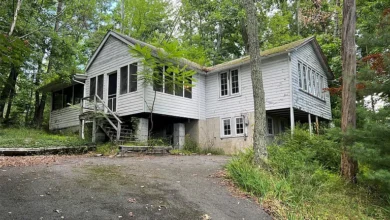
This historic property in Valdosta, Georgia, presents an opportunity for restoration or redevelopment. Situated on a spacious lot, the property offers room for different future plans while retaining the classic character of its original design.
The home will require significant improvements and modernization, particularly when it comes to utility systems. However, that same need for renovation creates an opportunity for an experienced buyer to rethink the property and develop it according to a clear vision.
Offered in “as-is” condition, the property is particularly suited to experienced renovators, investors, or buyers who understand the process of restoring an older home.
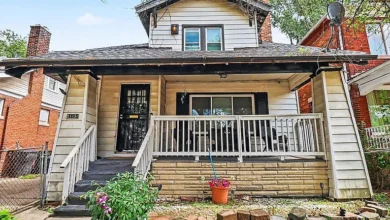
From its classic exterior and welcoming front porch to its hardwood floors and traditional interior details, the property provides an interesting foundation for a future transformation.
A Historic Property With Character
The first thing that makes this property stand out is its historic character.
Older homes often have details and proportions that give them a distinct personality. Instead of following the standardized appearance of many modern houses, historic properties can reflect the architectural style and craftsmanship of an earlier era.
This home offers that sense of character through its classic exterior and traditional features.
For the right buyer, these qualities can become the foundation of a thoughtful restoration.
Rather than removing everything that makes the property unique, a renovation could focus on preserving its defining characteristics while introducing the modern improvements needed for comfortable use.
That balance between old and new can create a home that feels authentic while still meeting contemporary expectations.
Located in Valdosta, Georgia
The property is located in Valdosta, Georgia, giving it the advantage of being part of an established community.
Location is an important consideration when evaluating any restoration or redevelopment opportunity.
A property with historic character can become especially interesting when it is located in a community with its own architectural identity and established surroundings.
For future owners, the Valdosta location provides the setting in which the property can be restored and given a new chapter.
The home can potentially appeal to buyers who appreciate historic architecture and want to invest in a property with an existing sense of place.
A Spacious Lot With Future Possibilities
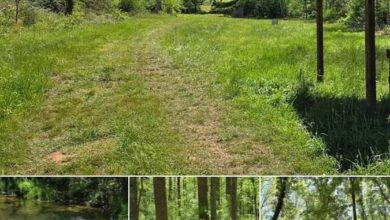
The house sits on a spacious lot, which adds another important element to the opportunity.
A generous lot can provide more flexibility than a tightly confined urban property.
The surrounding grounds offer open space, privacy, and room for creative plans.
Depending on applicable local regulations and the owner’s goals, the outdoor area could potentially be improved through landscaping, garden areas, outdoor seating, or other appropriate enhancements.
The space also allows the property to maintain a sense of openness around the house.
For buyers interested in restoration, the grounds can become part of the overall project rather than being treated as an afterthought.
Classic Exterior Appeal
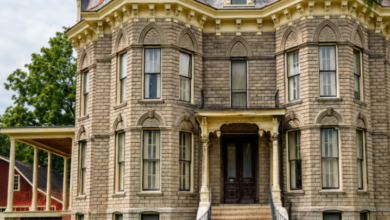
The exterior reflects the character and charm of a bygone era.
That classic appearance can make a strong first impression.
Historic architecture often benefits from details that give the exterior depth and personality. Even when a property needs substantial improvement, the underlying design can still provide an attractive starting point.
For a restoration project, the exterior could become one of the central elements of the renovation plan.
A thoughtful approach could focus on improving the property’s appearance while respecting its existing architectural identity.
The goal would not simply be to make the house look newer.
Instead, the opportunity is to make it more attractive and functional while preserving the qualities that make it historically interesting.
A Welcoming Front Porch
The front porch adds warmth to the property’s exterior.
A porch can serve as an important transition between the outdoors and the interior of a home.
It can also contribute significantly to the overall visual character of a historic property.
With appropriate improvements, the porch could become a comfortable place for sitting, relaxing, and enjoying the surrounding environment.
Simple design choices can sometimes make a major difference in how an entrance feels.
For a future owner, the porch could therefore become both a practical outdoor space and an important part of the property’s restored appearance.
Comfortable Interior and Gathering Areas
Inside, the home features living and gathering areas that provide a starting point for renovation.
The existing layout can potentially be reconsidered according to modern needs.
Older homes sometimes require changes to improve functionality, especially when today’s lifestyle differs from the way the property was originally used.
However, the presence of established living areas provides a framework for future improvements.
A buyer could consider how each space should function after renovation.
Some areas might remain traditional living spaces, while others could potentially be adapted for dining, working, entertaining, or other household needs.
The exact renovation strategy would depend on the property’s condition and the owner’s goals.
Hardwood Floors Add Classic Appeal
The hardwood floors contribute to the home’s traditional atmosphere.
Natural wood flooring is often associated with older properties because it can provide warmth, texture, and visual character.
For a restoration project, existing hardwood floors can be an important feature to evaluate carefully.
Depending on their condition, they may be candidates for restoration or improvement as part of a larger renovation.
Preserving original or character-defining materials can help maintain the property’s connection to its past.
At the same time, updated finishes and modern improvements can be introduced in other areas.
This approach can allow the home to feel refreshed without losing its historic personality.
Traditional Details Throughout the Home
In addition to the hardwood floors, the property includes various details that contribute to its classic appeal.
These smaller elements can be particularly important in historic restoration.
Architectural details often give older homes their individual identity.
A modern house can be designed to imitate historic styles, but original details can provide a sense of authenticity that is difficult to reproduce.
For this reason, future renovations should carefully consider which features should be preserved.
The process of restoration can then become an exercise in finding the right balance between preservation and modernization.
A Property Ready for Renovation
This home is not being presented as a fully updated property.
Instead, it offers a clear renovation opportunity.
That distinction is important for prospective buyers.
The property will require significant improvements, meaning anyone considering the home should be prepared for the work involved.
However, a renovation project can also provide more control over the final result.
Rather than buying a recently renovated property with someone else’s design choices, an experienced buyer can develop a plan based on personal preferences and practical requirements.
The result can be a home that reflects a specific vision from the beginning.
Modernizing the Utility Systems
One of the important considerations with this property is the need to modernize utility systems.
Older homes may require updates before they can provide the level of comfort and functionality expected from a modern residence.
The scope of those improvements should be evaluated by qualified professionals before any renovation begins.
A detailed inspection can help identify the condition of the property’s major systems and determine which improvements should be prioritized.
For an experienced renovator, this process is a normal part of evaluating a historic property.
Understanding the work required from the beginning can help create a more realistic renovation plan.
Offered in “As-Is” Condition
The property is offered in “as-is” condition.
This means prospective buyers should carefully evaluate the home’s present condition before making decisions.
An as-is property can require more due diligence than a recently updated home.
Professional inspections, estimates, and careful planning can help buyers understand what the restoration process may involve.
At the same time, the as-is condition is part of what makes this opportunity suitable for buyers who are specifically looking for a renovation project.
Instead of expecting a move-in-ready home, the buyer can approach the property as a long-term transformation.
An Opportunity for Experienced Renovators
Experienced renovators may appreciate the freedom that this property provides.
People who have worked with older homes often understand that renovation involves more than cosmetic improvements.
The process can include evaluating structural elements, updating utilities, improving functionality, repairing finishes, and preserving important architectural details.
This property offers the opportunity to bring those skills together.
A successful restoration could significantly change the home’s appearance and usability while maintaining its classic character.
For someone who enjoys seeing an older property regain its potential, that process can be especially rewarding.
Potential for Investors
The property may also attract investors who are interested in restoration or redevelopment.
Historic properties can present different opportunities from conventional real estate because their character can become part of their appeal.
However, investment decisions should always be based on careful financial analysis.
Renovation costs, professional fees, local requirements, timelines, market conditions, and the property’s actual condition should all be considered before purchasing.
The potential of a property should therefore be evaluated alongside the work required to realize that potential.
For an experienced investor, the opportunity lies in understanding both sides of that equation.
Privacy and Open Space
The surrounding grounds provide a sense of privacy and openness.
For many buyers, outdoor space is an important part of a property’s overall appeal.
A spacious lot can make the home feel more separated from its surroundings while also providing room for future outdoor improvements.
The grounds could potentially be landscaped to complement the historic appearance of the house.
A future owner might choose a traditional garden style, a simpler low-maintenance landscape, or another approach that fits the property.
The outdoor area therefore provides another opportunity for personalization.
A Strong Foundation for Creative Plans
The property offers flexibility because it does not have to remain exactly as it is today.
A future owner can consider different ways to improve the home while maintaining its traditional character.
The renovation could focus heavily on preservation.
Alternatively, the project could introduce a more modern interior while retaining selected historic elements.
Another approach could combine traditional materials with contemporary design.
The possibilities depend on the buyer’s vision, budget, and applicable local requirements.
What remains constant is that the property provides a foundation from which those plans can begin.
Preserving the Character of a Historic Home
Restoration does not always mean making a historic house look brand new.
In many cases, the most successful approach is to preserve the details that tell the story of the property.
The classic exterior, hardwood floors, front porch, and other traditional features can all contribute to that story.
Future improvements can then be designed around them.
For example, modern utility upgrades can be introduced without necessarily removing the architectural details that give the home its identity.
This can create a property that combines historical character with improved functionality.
The Potential of the Front Exterior
The front of the home provides an opportunity to create a strong visual statement.
Because the exterior already has classic character, improvements could focus on enhancing rather than completely changing its appearance.
A well-maintained porch, carefully considered landscaping, and appropriate exterior improvements could work together to strengthen the home’s traditional appeal.
For a buyer interested in restoration, the front exterior could become one of the most satisfying parts of the project.
It is also the first area visitors see, making it an important part of the property’s overall presentation.
A Home With Room for Personal Vision
One of the advantages of taking on a restoration project is the ability to make the property personal.
A move-in-ready home may be convenient, but it usually reflects someone else’s design decisions.
This property offers something different.
The future owner can think about how the rooms should function, what finishes should be used, which historic features should remain visible, and how the outdoor spaces should be developed.
That freedom can make the renovation process both challenging and rewarding.
The finished property can become a reflection of the owner’s taste rather than a standardized design.
A Potential Long-Term Project
Restoration does not necessarily have to happen all at once.
Depending on the buyer’s resources and priorities, improvements may be approached in stages.
An initial phase could focus on essential systems and structural needs.
Later work could address interior finishes, design improvements, landscaping, and other elements.
A phased approach may allow an owner to organize the project according to practical priorities.
However, the exact strategy should be determined after professional evaluation of the property.
Why Historic Properties Remain Appealing
Historic homes continue to attract attention because they offer something beyond basic functionality.
They can have distinctive proportions, materials, details, and visual character.
They can also provide a connection to the architectural history of a community.
This Valdosta property reflects those qualities through its classic exterior, hardwood floors, front porch, and traditional details.
For buyers who appreciate individuality, those characteristics can be meaningful.
Instead of owning a home that looks like many others, the buyer has an opportunity to restore a property with its own identity.
A Property With Development Potential
The spacious lot and existing structure also create room for broader thinking.
While the exact possibilities would depend on zoning, local regulations, property conditions, and professional assessments, the surrounding space provides flexibility.
This makes the property interesting not only as a restoration project but also as a potential redevelopment opportunity.
The important point is that the buyer has room to explore different concepts.
Any proposed changes should, of course, be reviewed with the appropriate professionals and local authorities before work begins.
Understanding the Renovation Commitment
A historic renovation can be exciting, but it also requires patience and planning.
Prospective buyers should understand that significant improvements may involve unexpected challenges.
Older properties can require careful investigation before renovation work begins.
The property’s utility systems, structural condition, finishes, and other components should be evaluated thoroughly.
Having a clear understanding of these factors can help buyers make informed decisions about the project.
For experienced renovators, this process can be part of the appeal.
Creating a Modern Home With Historic Character
One of the most attractive possibilities is combining modern comfort with traditional character.
The goal does not have to be choosing between the old and the new.
Instead, the two can work together.
The classic exterior can remain an important part of the home’s identity while modern utility systems improve everyday functionality.
Hardwood floors and traditional details can provide warmth, while updated areas can introduce contemporary comfort.
The front porch can remain a defining feature while the interior evolves around modern needs.
This type of balance can create a home that feels both timeless and practical.
A Unique Opportunity in Valdosta
Properties with historic character and substantial renovation potential do not appear in exactly the same form every day.
This Valdosta property offers a combination of features that gives it a distinctive identity.
The spacious lot provides room.
The classic exterior provides character.
The interior offers a starting point.
The hardwood floors and traditional details add authenticity.
The front porch creates a welcoming entrance.
At the same time, the need for significant improvements means the property is suited to buyers who are prepared to take on a project.
Who Might Be Interested in This Property?
This opportunity may appeal to several types of buyers.
An experienced renovator may appreciate the chance to restore a historic home.
An investor may be interested in its redevelopment potential.
A buyer with an appreciation for traditional architecture may see the opportunity to create a distinctive residence.
Someone who enjoys long-term renovation projects may also find the property appealing.
The common factor is a willingness to look beyond the current condition and consider what the property could become.
The Importance of Careful Due Diligence
Because the property is offered as-is and requires significant improvements, due diligence is particularly important.
Potential buyers should investigate the property’s condition, renovation requirements, utility systems, zoning considerations, and any other factors that could affect the project.
Professional advice can be valuable throughout this process.
An inspection can help identify issues that may not be visible during a standard viewing.
Similarly, renovation professionals can help estimate the work involved.
Careful preparation can make it easier to understand whether the property fits a buyer’s goals and resources.
A Chance to Restore Something With Character
There is something meaningful about restoring an older property.
Instead of replacing its identity, restoration gives the buyer an opportunity to bring that identity back to life.
This Valdosta home provides a foundation for exactly that kind of project.
Its classic exterior, hardwood floors, front porch, and traditional details create a starting point.
With thoughtful planning and appropriate improvements, those characteristics could become part of a refreshed home that combines history with modern living.
Final Thoughts
This historic property in Valdosta, Georgia, presents an opportunity for buyers who are willing to look beyond its current condition.
The spacious lot provides room for future possibilities, while the classic exterior offers the charm and character of a bygone era.
Inside, comfortable living and gathering areas provide a foundation for renovation. Hardwood floors and traditional details further enhance the property’s historic appeal, while the welcoming front porch creates an inviting connection between the home and its surroundings.
At the same time, the property requires significant improvements and modernization of its utility systems.
Because it is offered in “as-is” condition, prospective buyers should approach the opportunity with careful planning and appropriate professional due diligence.
For an experienced renovator or investor, however, the need for work can also represent an opportunity.
The property can be approached as a blank canvas with a historic foundation. Its future could be shaped around the owner’s vision, whether that involves restoring traditional features, introducing modern comfort, improving the grounds, or exploring broader redevelopment possibilities where permitted.
The spacious surroundings add another layer of flexibility, while the home’s classic design gives the project a strong sense of identity.
Ultimately, this is a property for someone who sees potential where others may see work.
With patience, careful evaluation, and a thoughtful renovation plan, this historic Valdosta property could be transformed into something distinctive and personal.
It offers the chance to preserve a piece of architectural character while creating a new future for the home.
For buyers interested in historic real estate, restoration, or redevelopment, this property provides an opportunity to take an existing structure and shape it into something truly special.


Watch Via Zillow