Affordable Homes
Frank Lloyd Wright Usonian Home in Galesburg
Frank Lloyd Wright Usonian Home in Galesburg

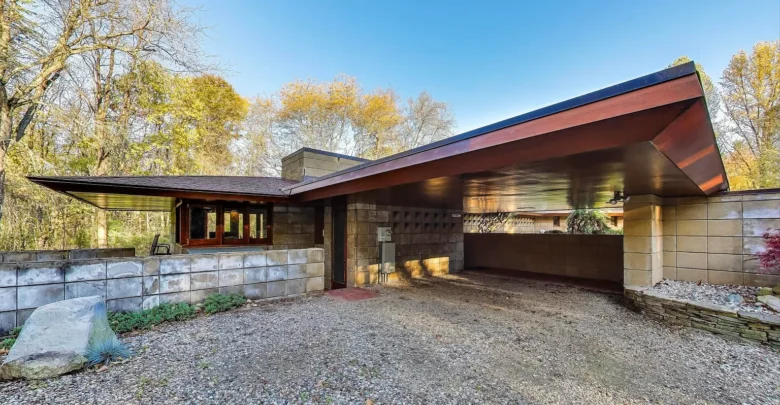
Rare Usonian-Style Home in Galesburg: A Mid-Century Architectural Gem Surrounded by Nature
Some homes stand out because of their size, while others capture attention through their architectural character, historical significance, and connection to the surrounding landscape. This distinctive residence in Galesburg offers a compelling combination of mid-century design, natural privacy, and timeless architectural appeal.
Inspired by the Usonian vision of residential architecture, the home reflects a design philosophy that emphasizes simplicity, functional living spaces, natural materials, and a strong relationship between indoor and outdoor environments. Its distinctive character makes it especially interesting for buyers who appreciate architectural history and homes that offer something different from conventional residential properties.
Large windows, clean lines, thoughtfully arranged interiors, and a peaceful wooded setting contribute to the property’s appeal. Rather than relying on elaborate decoration, the residence highlights the beauty of natural light, carefully considered spaces, and a landscape that becomes an important part of the living experience.
For anyone searching for a unique home in Galesburg, this property offers an opportunity to explore the enduring appeal of mid-century modern architecture and the timeless principles behind the Usonian design movement.
A Distinctive Residence With Usonian Architectural Influence
The Usonian architectural concept is closely associated with the work of American architect Frank Lloyd Wright. Developed during the twentieth century, this approach sought to create practical, attractive homes that responded to the needs of everyday living while maintaining a strong connection to their natural surroundings.
Usonian homes are often associated with relatively simple forms, efficient floor plans, horizontal lines, natural materials, and an emphasis on integrating buildings with their sites. Many designs also feature carefully positioned windows that bring natural light into the home and establish a visual relationship with the outdoors.
This architectural philosophy challenged the idea that a beautiful home needed to be large or excessively decorated. Instead, it emphasized thoughtful planning, functional spaces, and the use of materials and proportions that complemented the environment.
The Galesburg residence described here reflects this distinctive design identity. Its combination of natural privacy, clean architectural lines, generous windows, and warm interior character creates an atmosphere that may appeal to people who value design as much as everyday comfort.
However, buyers interested in architectural authenticity should distinguish between a home that is inspired by Usonian principles and one that has been officially documented as a design by Frank Lloyd Wright or another recognized architect. The architect’s identity, construction history, original plans, and any historic designation should be verified through reliable records.
Large Windows Create a Connection With Nature
One of the most appealing characteristics of this residence is its use of large windows to bring the outdoors into the living environment.
Natural light can significantly influence how a home feels throughout the day. Bright interiors may appear more welcoming, while views of trees and greenery can help create a sense of openness and visual continuity between indoor spaces and the surrounding landscape.
In mid-century architecture, windows are often treated as important design elements rather than simply functional openings in a wall. Their placement can frame particular views, highlight changes in natural light, and establish a stronger connection between the building and its site.
In this home, the reported large windows contribute to an interior atmosphere that feels calm and connected to nature. Depending on their orientation and the surrounding vegetation, they may also create changing patterns of sunlight throughout the day.
Buyers should nevertheless evaluate the condition of the windows, their energy efficiency, and the quality of the seals and frames. Older architectural homes can have distinctive window designs that deserve careful preservation, but maintenance and insulation are important considerations for long-term comfort.
The goal is to appreciate the home’s architectural character while understanding the practical requirements of maintaining it.
Mid-Century Modern Design With Timeless Appeal
Mid-century modern architecture remains popular among homeowners who appreciate clean lines, practical layouts, and a design language that avoids unnecessary ornamentation.
The style developed during the middle decades of the twentieth century and encompasses a wide range of residential approaches. Common characteristics include open living areas, simple geometric forms, an emphasis on natural materials, and an effort to create a harmonious relationship between buildings and their surroundings.
The Galesburg residence offers several characteristics associated with this broader design tradition. Its natural materials, visually connected living spaces, and understated interior style create a setting that feels artistic without sacrificing everyday functionality.
Unlike some contemporary homes that emphasize dramatic finishes or highly decorative features, mid-century residences often rely on proportions, textures, light, and the relationship between different rooms to create visual interest.
This approach can also provide flexibility for modern furnishings. Carefully selected furniture, understated colors, and natural textures can complement the original architectural language without overwhelming it.
For prospective buyers, the attraction lies in owning a home with a distinct identity. Architectural character can be difficult to recreate in a newly constructed property, particularly when the original design depends on its relationship with the surrounding landscape.
Thoughtfully Arranged Interiors for Everyday Living
Although the home’s architectural history is an important part of its appeal, a residence must also function well as a place to live.
The property is described as having open living spaces, clean lines, and a practical layout. These features can help create a natural flow between everyday activities while maintaining the visual simplicity associated with mid-century design.
Open living arrangements may allow different areas to feel connected without relying on excessive partitions. This can be especially attractive to buyers who enjoy entertaining, spending time with family, or creating flexible spaces for reading, working, and relaxing.
Natural materials can add warmth and texture to an interior. Wood, stone, and other materials often associated with mid-century homes may contribute to a cohesive design when they are preserved and maintained appropriately.
However, the actual condition of the interior should always be assessed during a property inspection. Buyers should evaluate flooring, wall finishes, electrical systems, plumbing, heating and cooling equipment, and any renovations completed over the years.
If the residence retains original architectural features, it may be worthwhile to consult a specialist who understands historic and mid-century properties. Such expertise can help identify which elements are original, which have been modified, and how improvements might be completed without compromising the home’s distinctive character.
A Private Wooded Setting in Galesburg
The natural surroundings are another defining element of this residence.
A wooded lot can create a sense of privacy that is difficult to achieve in more densely developed residential areas. Mature trees and established vegetation can also provide changing seasonal scenery, shade, and opportunities to enjoy outdoor spaces.
For people who value a quieter residential environment, the setting may offer a welcome contrast to busy streets and highly developed neighborhoods.
The relationship between the house and its landscape is particularly important when considering Usonian-inspired architecture. Rather than treating nature as a separate feature, this design philosophy often seeks to integrate the building with the site through window placement, orientation, materials, and the arrangement of living spaces.
Outdoor areas around the Galesburg residence may provide opportunities for relaxing, enjoying the natural setting, or creating a modest garden that complements the architecture.
Prospective buyers should assess the condition of trees, drainage, walkways, exterior structures, and the overall accessibility of the property. Mature landscaping can be attractive, but it can also require maintenance and professional attention.
It is equally important to understand property boundaries and any restrictions affecting trees, landscaping, or outdoor improvements.
Why Architectural Character Matters When Buying a Home
Many homebuyers begin their search by comparing price, size, location, and the number of bedrooms and bathrooms. These are important considerations, but architectural identity can also play a meaningful role in the overall appeal of a property.
A distinctive residence may offer a sense of individuality that is difficult to find in homes built from similar contemporary plans. For buyers who appreciate architecture, the experience of living in a thoughtfully designed space can be as important as the property’s practical features.
Architectural character may be expressed through the shape of the building, the placement of windows, the selection of materials, the relationship between rooms, and the way the home interacts with its landscape.
In a mid-century residence, these elements often work together to create a unified design rather than a collection of unrelated decorative details.
Nevertheless, unique architecture does not automatically guarantee higher resale value or stronger investment performance. The property’s market appeal depends on its condition, location, documented history, maintenance requirements, and the preferences of potential buyers.
A careful evaluation should consider both the emotional appeal of the design and the financial realities of ownership.
Preserving the Original Design While Modernizing the Home
One of the challenges of owning an older architectural residence is balancing preservation with modern expectations.
Homeowners may wish to improve energy efficiency, update kitchens and bathrooms, modernize lighting, or improve heating and cooling systems. These upgrades can enhance everyday comfort, but the approach matters when a property has a distinctive architectural identity.
Before beginning renovations, buyers should identify the home’s original features and understand which elements contribute most strongly to its design.
Windows, woodwork, built-in furniture, original flooring, rooflines, and carefully arranged interior spaces may be particularly important, depending on the property.
Where appropriate, improvements can be designed to respect these characteristics while introducing modern functionality. For example, energy-efficiency upgrades may be possible without significantly altering the home’s exterior appearance, although the best approach will depend on the building’s construction.
Buyers should also determine whether the property has any historic designation, preservation restrictions, or special requirements affecting renovations.
Professional advice from an architect, inspector, or contractor familiar with older homes can help identify suitable improvements and reduce the risk of unnecessary damage to original materials.
Practical Considerations Before Purchasing a Mid-Century Home
A distinctive architectural property deserves the same careful due diligence as any other real estate purchase.
Older homes may require maintenance that is not immediately visible during a viewing. Buyers should arrange a comprehensive inspection and pay particular attention to the roof, foundation, exterior materials, windows, electrical wiring, plumbing, insulation, and mechanical systems.
The wooded setting also deserves attention. Drainage around the foundation, tree roots, branches near the roof, and the condition of exterior walkways can influence long-term maintenance requirements.
If the home has original materials or unusual construction methods, a general inspection may need to be supplemented by advice from a specialist.
Prospective buyers should also review property taxes, insurance availability, utility expenses, renovation history, and any applicable local building requirements.
If the residence is being considered as an investment, additional research is necessary. Comparable property sales, potential maintenance costs, local demand, and the property’s resale prospects should be evaluated using reliable information.
The asking price, floor area, number of bedrooms, and other essential listing details should be verified before making financial decisions. Without these figures, it is not possible to determine whether the property represents good value relative to comparable homes in Galesburg.
Who Might Appreciate This Unique Residence?
This home may appeal to buyers whose priorities extend beyond conventional features and who value thoughtful design, natural surroundings, and architectural history.
Architecture enthusiasts may appreciate the mid-century character and the opportunity to investigate the home’s documented origins. Buyers who prefer a quieter environment may be attracted to the wooded setting, while those who enjoy natural light and open interiors may find the design especially appealing.
The property could also interest people seeking an individual residence rather than a home that closely resembles neighboring houses.
For buyers planning to remain in the property for many years, the combination of architectural identity and a peaceful setting may be an important part of their decision.
However, suitability depends on the home’s actual layout, maintenance requirements, accessibility, condition, and location. Buyers should compare these factors with their household needs and long-term plans.
Exploring the Galesburg Property Market
Galesburg offers a setting in which buyers can explore a variety of residential properties, from conventional houses to homes with more distinctive architectural characteristics.
When researching a property in the area, prospective purchasers should examine comparable sales, neighborhood conditions, access to local services, commuting requirements, and the availability of contractors who understand older residential construction.
For a distinctive home, it is also useful to determine whether similar architectural properties have sold recently and whether there is documented interest from buyers who value mid-century design.
A property’s architectural significance should be supported by evidence rather than assumed from appearance alone. Original drawings, historical records, architect documentation, and credible preservation resources can help establish the home’s background.
This information may be valuable to buyers who want to understand the property’s history and make informed decisions about maintenance or future renovations.
Final Thoughts: A Home That Combines History, Design, and Nature
This distinctive Galesburg residence presents an appealing combination of architectural character, natural privacy, and a design philosophy that emphasizes simplicity and a connection with the outdoors.
Its large windows, clean lines, natural materials, and wooded surroundings contribute to a living environment that feels different from a conventional residential property.
For buyers who appreciate mid-century architecture and Usonian-inspired design, the home may offer an opportunity to explore a property with a strong visual identity and a peaceful setting.
The most important next step is to verify the home’s architectural history, physical condition, ownership details, and financial requirements. A professional inspection and careful review of available records can help establish whether the residence meets the buyer’s expectations.
Ultimately, the appeal of this property lies in the combination of thoughtful design and its relationship with nature. For the right buyer, it may represent more than a place to live: it may be an opportunity to experience a distinctive architectural style and preserve a piece of residential design history.
Disclaimer: This article is provided for general informational purposes only. Architectural descriptions, historical associations, and property details should be independently verified. This article does not constitute financial, legal, or real estate investment advice. Property values and future resale performance are not guaranteed.
It is a one-of-a-kind opportunity for someone who values character, privacy, and a home with a meaningful design story. For more information, contact the listing agent through the Zillow link below the photos.


Watch Zillow