News
Bloated Food Packaging: What a Puffy Package Really Means
Bloated Food Packaging: What a Puffy Package Really Means

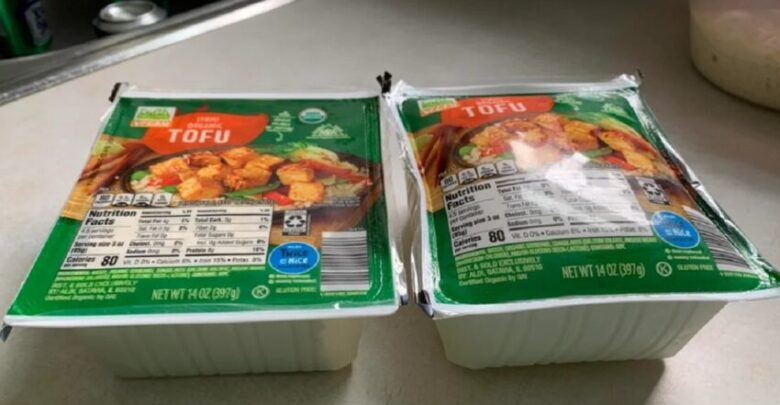
Bloated Food Packaging When a Puffy Package Is Normal and When to Avoid It
You reach into the refrigerator for a package of meat and notice something unexpected. The plastic looks stretched, and the package seems fuller than when you bought it. Yet the date on the label has not passed.
Should you cook it, open it for a closer look, or throw it away?
Unexpected swelling is a reason to stop and question the product’s condition. USDA’s Meat and Poultry Hotline recommends avoiding swollen or unusually puffy packages because the food may be spoiled or unsafe. However, it also notes that some meat and poultry products are intentionally packed with gases.
That distinction matters. Gas inside a package is not automatically evidence of spoilage, but an unexplained change should not be dismissed.
The safest approach combines knowledge of the packaging, attention to damage, and proper food storage. There is no need to squeeze, puncture, or taste a questionable product to investigate.
Start by Looking at the Package Without Opening It
Before doing anything else, examine the unopened product.
Does the seal appear intact? Is the container leaking? Has a package that once hugged the food become loose and swollen?
Also consider whether you know what the packaging normally looks like. A tray with a deliberate space above the food is different from a vacuum pack that has noticeably changed shape.
You do not need to identify the exact cause at home. Instead, decide whether the product has a clear, normal explanation for its appearance.
If you cannot establish that, leave it uneaten while you contact the retailer or manufacturer. A photograph of the unopened pack, label, and batch code can help explain the concern without opening the food.
Some Packaging Contains Gas by Design
Food packaging is not always intended to fit tightly around its contents.
One method, called modified atmosphere packaging, changes the mixture of gases surrounding the food. Its purpose is to help extend shelf life and slow deterioration. Gas flushing with nitrogen is one example of this approach.
As a result, a properly manufactured package may contain visible space.
This is why comparing every food package with a tight vacuum pouch can be misleading. Different products use different packaging systems, and their normal appearance varies.
The useful question is whether the package looks as intended, rather than whether it contains any gas at all. Check the label and seek product-specific guidance if you are uncertain. Do not assume that all puffiness is harmless simply because protective packaging exists.
Meat Can Also Be Sold in Protective Packaging
Meat is not always vacuum-packed.
FDA materials distinguish modified atmosphere meat packaging from vacuum packaging. The former can include a tray and a gas-filled space, while the latter holds the packaging closely against the product.
Therefore, the presence of space above meat does not by itself identify a problem.
An unexpected increase in swelling, a broken seal, or leakage is a different concern. You should not use the existence of protective packaging as a reason to ignore a noticeable change.
If a meat package appears unusually inflated and you cannot confirm that its appearance is normal, follow the cautious approach: do not use it. Ask the seller or manufacturer about the exact product rather than relying on comparisons with unrelated packages.
Vacuum Packaging Does Not Guarantee Safety
Vacuum packaging removes much of the surrounding air, giving many products their close-fitting appearance. It is used for foods including some meats, cheeses, and sausages.
However, packaging is only one part of how food is preserved.
Research recorded by USDA shows that meat packaging methods can affect the growth or survival of microorganisms, but they do not make handling conditions irrelevant.
Keep following the storage instructions even when a product remains sealed. A pouch should not be treated as permission to leave refrigerated food warm or keep it indefinitely.
If the package changes noticeably, stop using appearance as reassurance. The fact that it began as a vacuum pack does not explain why it now contains a growing pocket of gas.
The Printed Date Cannot Cancel a Packaging Warning
A future date can feel reassuring, especially when you have just noticed something unusual.
Nevertheless, a date does not reveal everything that happened during transport, shopping, or home storage.
In U.S. guidance, USDA explains that common dates on meat and poultry generally indicate quality rather than guarantee safety. Infant formula is an important exception to broad statements about food dating.
Terminology and requirements can differ between countries, so follow the local meaning of the label as well as the product’s instructions.
Most importantly, do not use a favorable date to override signs of damage or unexplained swelling. The package and its storage history need attention too.
A printed date is useful information. It is not a certificate that the product has remained in suitable conditions.
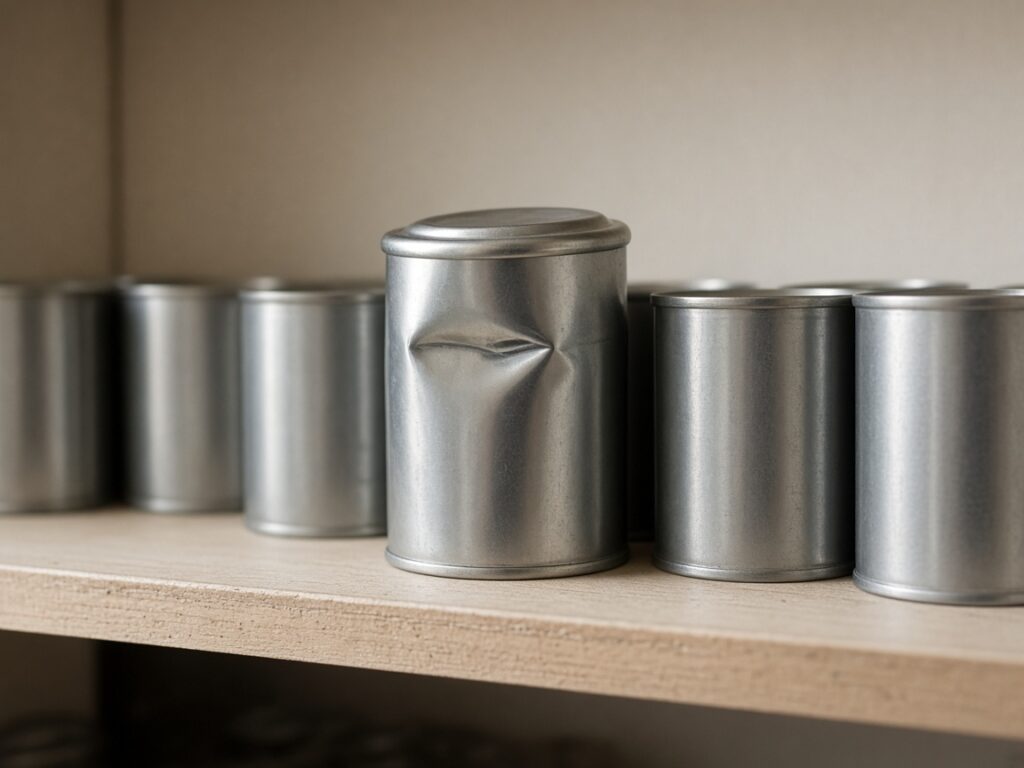
Bulging Cans Require Particular Caution
Canned foods deserve a clear rule.
USDA advises against using food from cans that are leaking, bulging, or badly dented. It also warns against cracked jars or jars with loose or bulging lids.
View the image accompanying the discussion of damaged cans
Do not press a swollen can back into shape or open it to release pressure.
The concern is not simply that the food might taste unpleasant. Damaged or abnormal containers can indicate a serious preservation problem.
This does not mean every bulging can contains the same organism or toxin. You cannot identify the cause by examining it in the kitchen. Avoiding the food is the appropriate response, rather than trying to diagnose it yourself.
A Normal Smell Does Not Prove Food Is Safe
Opening a questionable package and sniffing it may seem like a sensible next step. Unfortunately, smell cannot settle every safety question.
USDA notes that food containing botulinum toxin may smell and taste normal. It specifically advises against tasting food to determine whether it is safe.
That means a tiny sample is not a useful test.
Likewise, an absence of visible mold does not clear a damaged container. The warning sign may be the package itself, before you know anything about the contents.
For a suspicious can or jar, keep it closed. You do not need confirmation from an odor before deciding not to eat it.
A bad smell can tell you to reject food, but a pleasant or neutral smell cannot provide the opposite guarantee.
Know Which Other Signs Deserve Attention
Swelling is not the only reason to reject a suspect preserved product.
CDC lists leaking, damaged, cracked, or abnormal containers among warning signs. It also identifies liquid or foam spurting when opened, along with discolored, moldy, or bad-smelling contents.
These observations should prompt action rather than further tasting.
For everyday shopping, a quick visual check can help you avoid obvious problems before the product enters your cart. At home, notice changes when taking food from storage.
Do not keep investigating a suspect item just to satisfy curiosity. Once there is a clear warning, separate it from food you intend to eat and arrange disposal or retailer guidance.
What to Do at the Grocery Store
If a package looks damaged or unusually swollen, leave it on the shelf and tell an employee.
Explain what you noticed without squeezing or puncturing the container. Staff can inspect the product and check other items from the same batch.
A different package should also be assessed on its own condition. Do not assume that everything nearby is affected, but do not select another visibly questionable item either.
For refrigerated purchases, plan the rest of your trip around keeping food cold. Choose perishables near the end of your shopping where practical, and avoid unnecessary stops afterward.
If you regularly travel a long distance home, an insulated bag or cooler can help support your cold-storage plan. It should complement prompt refrigeration rather than replace it.
What to Do With a Questionable Product at Home
Keep the food uneaten while deciding on the next step.
If the package is intact, photograph the label and contact the retailer about a refund or reporting process. Ask whether they need the item returned before transporting it.
Do not carry a leaking product loose among other groceries.
For swollen cans or suspect jars that may involve botulism, USDA recommends placing the container in a heavy garbage bag, closing it, and putting it in the trash. It also advises reporting suspect commercial products to the appropriate authorities.
Keep discarded food away from children and animals. Avoid putting it somewhere it could be mistaken for usable groceries.
The aim is to remove the questionable item without spreading its contents around your kitchen.
Clean Contact Areas if Leakage Occurs
A package that remains sealed is easier to manage than one that spills.
If suspect contents have escaped, keep other food away from the area. Follow official cleanup guidance appropriate to the product and the suspected hazard.
For a possible botulism incident, USDA advises thoroughly cleaning utensils, containers, and surfaces that may have contacted the food. Its guidance also includes discarding cleanup sponges or cloths, washing hands, and laundering splashed clothing promptly.
Do not open a swollen container merely to make it easier to dispose of.
If you need help with a spill from a suspect canned product, contact your local health department for instructions. That is more useful than improvising a cleaning method based on an ordinary food spill.
Keep Refrigerated Foods Properly Cold
Good storage habits cannot explain every abnormal package, but they are an important part of prevention.
CDC recommends keeping the refrigerator at 40°F, about 4°C, or below, and the freezer at 0°F, about −18°C, or below. An appliance thermometer helps you check the actual temperature rather than relying only on a control setting.
Pay attention to storage instructions when putting groceries away. Products that require refrigeration should not be treated as shelf-stable because they are sealed.
It also helps to keep the refrigerator organized enough that older items remain visible. A package forgotten behind other food is harder to monitor and easier to overlook when planning meals.
Limit Time Outside Refrigeration
The trip home is part of food handling.
FDA advises refrigerating or freezing perishables within two hours of purchase or cooking. When the outside temperature is above 90°F, about 32°C, that period drops to one hour.
Plan accordingly when shopping in warm weather or traveling.
Once home, put refrigerated items away before moving on to less urgent tasks. Avoid leaving the bags in a warm vehicle while completing another errand.
If you discover that food has been held under unsuitable conditions, evaluate that history directly. Waiting to see whether the package swells is not an appropriate way to assess the earlier handling.
Packaging appearance is one observation; it should never replace attention to time and temperature.
Do Not Deflate or Cook a Package to Test It
Poking a hole in swollen packaging changes its appearance without answering why it expanded.
The product may look flatter afterward, but you have not established that it is suitable to eat. You have also broken the seal.
Likewise, do not use cooking as an experiment with food you have already identified as suspect. When official guidance says to discard an abnormal canned product, follow that instruction rather than trying to rescue it through heating.
Freezing is not a useful test either. A change in the product’s temperature cannot explain the original packaging problem.
The practical decision comes before preparing a meal: establish that the product is appropriate to use, or keep it out of the meal.
A Better Rule for Bloated Food Packaging
The most useful rule is more careful than “puffy is good” or “puffy is bad.”
Understand what the packaging is meant to look like, take unexpected changes seriously, and never taste questionable food to check it.
Some products intentionally contain protective gases. However, that does not make every swollen container normal, and an intact-looking pack does not override poor storage.
For a bulging can, leaking jar, or otherwise suspicious preserved product, do not eat the contents. For an unusually swollen meat package, avoid using it and seek product-specific guidance.
That approach gives you a clear next step without asking you to identify microorganisms at home. Keep the package closed, document the concern if needed, and choose food whose condition you can trust.