Affordable Homes
Private Woodland Retreat – Langsville, Ohio
Private Woodland Retreat – Langsville, Ohio

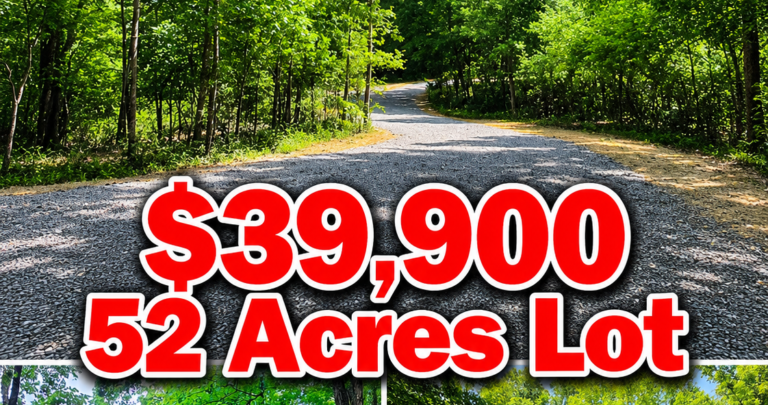
Wooded Land in Langsville, Ohio, With a Gated Driveway and Forest Trails
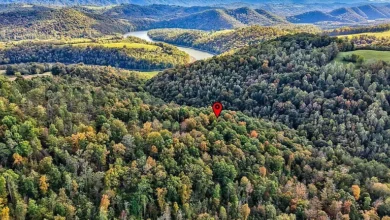
A gated gravel driveway leads into this wooded property near Langsville, Ohio, where mature trees, younger woodland, and forest trails give the land a secluded feel. The approach is one of its most appealing features. You arrive from the road, pass through the gate, and enter a setting where the trees and trails shape how you experience the property.
The land could appeal to someone seeking a place to walk in the woods, watch wildlife, or spend weekends outdoors. It may also interest a buyer considering a small cabin or country home. The driveway and trails give visitors a way to start exploring, while the location and feasibility of any future construction would depend on what a closer look at the parcel reveals.
The real question on a first visit is how you would use the land on an ordinary day. Would you park near the gate and spend most of your time on foot? Would you want a cabin close to the driveway, or would you prefer a quieter spot farther into the trees? Walking the property with those questions in mind will tell you more than simply looking at it from the road.
Langsville Property Highlights at a Glance
| Feature | Property description |
|---|---|
| Location | Langsville, Ohio |
| Property type | Wooded land |
| Access | Gated gravel driveway |
| Landscape | A mix of established woodland and younger trees |
| On-site recreation | Forest trails and opportunities to watch wildlife |
| Possible future uses | Cabin, country home, or weekend retreat, subject to site and local requirements |
| Nearby recreation | The property description mentions hiking and horseback riding in the surrounding area |
What the Gated Gravel Driveway Adds
The driveway gives the property an identifiable entrance and a route into the woods. That makes it easier to picture arriving for a weekend with groceries, tools, or outdoor gear. It also gives you a starting point for exploring how the trails connect to the entrance and how far you would need to walk to reach the parts of the land you enjoy most.
During a visit, pay attention to where the gravel drive ends and what space is available to park or turn around. Those details matter if you expect to arrive with a trailer, have guests visit, or bring materials in for a future project. A driveway that suits a passenger vehicle may need a closer look if larger vehicles are part of your plans. The grade, width, and room to maneuver are easier to assess in person.
It is also worth asking how the driveway is maintained and how it holds up after rain. A dry-weather walk gives one view of the entrance. Seeing the ground when it is wet, or asking someone familiar with the property how water moves across it, can help you judge how often you would expect to maintain the gravel or clear fallen branches.
Mature Woodland and Younger Trees Give the Property Variety
The property description identifies a mix of mature woodland and younger trees. That variety can change the feel of a walk considerably. Established trees can create a broad overhead canopy, while younger growth may make some stretches feel more enclosed at ground level. Moving between those areas helps you see where the property feels open, where you have more cover, and where you might want to spend time.
Season matters when assessing a wooded parcel. Summer foliage can make the land feel more secluded, while a visit after the leaves fall can give you a clearer look at the terrain and the edges of the property. If privacy is a priority, look at it from the places you would actually use, such as a likely parking area, a trail junction, or a potential cabin site. Each may offer a different view of the surrounding land.
The forest is also part of what a future owner would maintain. Someone who wants a simple weekend retreat may be happy to keep the main route open and let much of the woodland grow naturally. A buyer who wants a sitting area or a more developed trail network can look for spots that already suit those uses and consider how much regular work they would require.
Walking the Forest Trails Before You Buy
The existing forest trails offer a reason to set aside enough time for a proper visit. Rather than stopping at the driveway, follow the paths you can identify and see where they take you. Notice where the footing changes, where the trail becomes narrower, and whether the route returns to a familiar point or requires you to turn around.
A short path close to the driveway could be the one you use most often. It might be the easiest place to take a morning walk or head into the woods for a few minutes before leaving for the day. A longer route farther from the entrance may be more appealing when you have time to explore. Seeing how both kinds of walk might fit into a visit gives the trails more meaning than a photograph can.
Ask whether a parcel map or survey is available and use it to clarify which trail sections lie within the property. A visible path can continue beyond a parcel line. Having a map handy also helps you remember which parts of the woods you walked and which sections you still want to see.
Could the Land Work for a Cabin or Country Home?
A small cabin is an easy idea to picture here. A wooded setting can give a porch a sense of privacy, and the gravel driveway provides a starting point for access. To see whether the idea is practical, first identify a place that you like and then consider how the rest of the site would need to work around it.
A potential cabin site near the drive might be easier to reach with supplies. A location farther into the woods might feel more secluded but would raise additional questions about access, clearing, and the distance to utility connections. Stand in each spot and look back toward the entrance. Think about which trees you would want to retain, where rainwater would go, and where a vehicle could park without taking over the outdoor space.
A full-time country home would bring more of those details into the decision. Daily access, water, wastewater, power, and internet would matter alongside the view from a future porch. The supplied property description leaves utility service and site approvals open. Buyers interested in building can ask what information is already available, then confirm what their specific plan would require before budgeting around a building site.
A Weekend Retreat You Can Enjoy on Foot
The appeal here also works at a smaller scale. You can picture arriving for a quiet afternoon, leaving the vehicle near the drive, and heading into the trees. The land offers a change of pace for someone who enjoys being outside and would make regular use of the trails. A comfortable route to a shaded sitting spot may matter as much as finding a location for a future cabin.
Think about how you typically spend a weekend outdoors. If you like to read, photograph nature, or walk with family, look for a part of the property that is easy to reach and pleasant to return to. If you would rather explore farther from the entrance, see how the trails connect and where you can pause without losing track of the way back. These small details can help you picture repeat visits after the novelty of the first tour wears off.
Maintenance should fit the way you intend to use the property. A handful of well-kept paths and a reliable entrance may be enough for someone visiting occasionally. Someone who visits year-round might put more emphasis on keeping the driveway and trails usable through wet weather and after storms.
Wildlife and Outdoor Recreation Near Langsville
The property description highlights abundant wildlife, an attraction for people who enjoy watching animals, photographing the woods, or looking for tracks along a trail. The mix of established trees and younger growth gives you several places to pause and observe. Take time to listen and look around during a visit. The pace of a quiet walk may reveal more about the setting than a quick trip along the driveway.
The woodland may also interest buyers who are looking for land with hunting in mind. Anyone considering that use can start by confirming the parcel boundaries, the relationship to neighboring properties, and the rules that apply to the intended activity. Seeing the terrain and neighboring uses in person can help a buyer decide how the land fits their plans.
The surrounding area is described as offering opportunities for hiking and horseback riding. If either activity is a major reason for buying in this part of southern Ohio, check the routes you expect to use and how long it would take to reach them from the property. Nearby recreation can make a weekend feel different, particularly if you want to alternate between time in your own woods and trips to longer public trails.
How to Judge the Privacy for Yourself
Privacy comes down to where you spend time on the land. The gate provides a clear point of entry, and the trees screen parts of the setting described in the property materials. To see how that feels in practice, stop near the road, then walk beyond the entrance and pause again farther down a trail. Listen for traffic and look for nearby buildings, open views, or places where the woods become denser.
If you already have an idea for a cabin, use the same approach around the proposed site. Consider what would be visible from the porch and how the view might change if you cleared space for a driveway extension or parking area. Clearing only what you need may help preserve the setting that drew you to the land in the first place.
Even buyers who plan to keep the parcel wooded can benefit from locating its boundaries. A survey or parcel map helps you see how much of the buffer you are looking at belongs to the property. That information can also guide decisions about which trails to maintain and where to set aside a quieter spot for personal use.
What to Confirm on a First Visit
A good first visit should give you a feel for the woods and a short list of details to verify. These questions can help you get more out of the tour.
- Parcel size and boundaries. Ask for the acreage, parcel number, and any available survey or map.
- Driveway and gate. Find out how far the gravel extends, where you can turn around, and what maintenance the entrance has needed.
- Trail layout. Walk the routes you would use most and check where they run in relation to the boundaries.
- Potential cabin or home site. Compare a few locations based on access, slope, drainage, and the trees you want to keep.
- Utilities and site requirements. Ask what is known about power, water, wastewater, and internet if you plan to build.
- Nearby recreation. Check which public trails or horseback riding areas you would realistically visit from the property.
Is This Langsville Woodland a Good Fit for Your Plans?
This property’s most tangible features are the gated gravel driveway, forest trails, and mix of mature and younger trees. Someone who wants a private place to spend time outdoors may find that the entrance and paths already support much of what they have in mind. A buyer interested in a cabin or country home will get more from the visit by looking at a few specific sites and asking what it would take to reach and serve each one.
Start at the gate and follow the trail that makes you want to keep walking. If there is a spot where you would happily spend an afternoon, take a moment to see what makes it work. It might be the shade, the distance from the road, or the simple fact that you can get there easily. That is a good way to decide whether this wooded property in Langsville fits the retreat you have in mind.

From Zillow