News
Why People Aren’t Using Top Sheets on Beds Anymore
Why People Aren’t Using Top Sheets on Beds Anymore

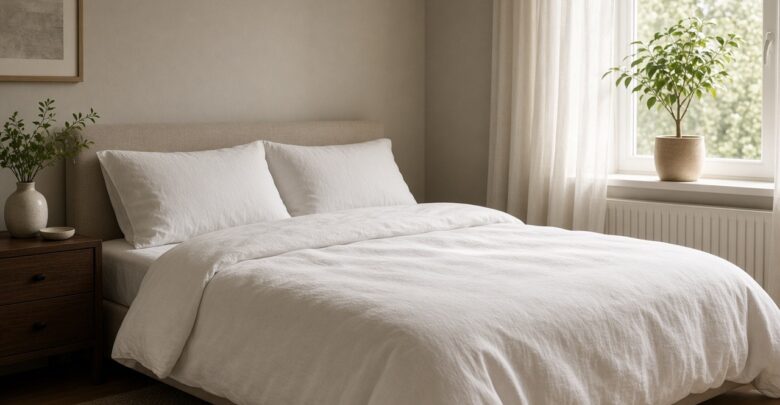
Why Some People Are Skipping Top Sheets—and Why Others Still Love Them
For some people, a bed feels unfinished without a top sheet. For others, that same layer is the first thing they kick toward the foot of the mattress.
The disagreement usually comes down to everyday habits. One person appreciates a smooth sheet between their body and a blanket. Another prefers pulling up a duvet without having to straighten an extra layer.
Both arrangements can make sense. The useful question is which setup feels comfortable and fits your laundry routine.
Top sheets serve a practical purpose, but they also add another piece of bedding to manage. Understanding that trade-off can help you decide whether to keep yours, use it seasonally, or leave it in the linen closet.
Before changing your bed, consider what the sheet actually does for you. A familiar habit may still be useful—or it may be something you are ready to simplify.
What Is a Top Sheet?
A top sheet is the flat sheet placed above the sleeper and below a blanket, quilt, comforter, or duvet.
It differs from a fitted sheet, which has elasticated corners designed to hold it around the mattress. The fitted sheet covers the surface beneath you, while the top sheet forms a separate layer above you.
In a traditional arrangement, the flat sheet is spread across the bed and often tucked at the foot. Its upper edge may then be folded over the blanket.
That familiar fold is part of the appearance many people associate with a neatly made bed.
However, appearance is only one reason to use it. The sheet also changes what touches your skin and which bedding needs attention during laundry.
The Practical Purpose of a Top Sheet
A top sheet provides a washable layer between your body and the heavier bedding above it.
During ordinary use, bedding comes into contact with perspiration, body oils, and other everyday residue. A flat sheet can catch some of that contact before it reaches a blanket or comforter.
However, it does not keep the heavier layer permanently clean. Bedding can shift, and parts of your body may still touch the covers above the sheet.
Think of it as an additional barrier rather than a complete substitute for washing other bedding.
Its usefulness depends partly on whether it stays in place and whether you find it easier to wash than the alternative.
Why a Duvet Cover Changes the Decision
Before deciding whether to remove the top sheet, consider what you use above it.
A duvet with a removable cover offers a different arrangement from a comforter without a separate washable outer layer. If you sleep directly beneath the duvet cover, that cover becomes the fabric in regular contact with you.
As a result, it needs to be included in your routine washing.
For someone who finds duvet covers easy to remove and replace, skipping the flat sheet may feel straightforward. Another person may strongly prefer washing a separate sheet rather than changing the duvet cover as often.
The decision therefore involves more than the number of layers. It also involves which pieces you find easiest to maintain.
Reason One: Making the Bed Can Be Simpler
Without a top sheet, there is one less item to smooth, align, and tuck.
For someone who dislikes making the bed, that may be the main attraction. Pull the duvet into position, arrange the pillows, and the basic setup is complete.
The difference may be especially noticeable if the flat sheet frequently ends up twisted or uneven.
However, removing a sheet does not eliminate every bedding task. A duvet cover can still need straightening, and the insert may require adjustment inside it.
The useful comparison is your own routine. If the simpler arrangement saves effort without creating a different frustration, it may be worth keeping.
Reason Two: Some Sleepers Dislike Loose Layers
A top sheet does not stay neatly arranged for everyone.
Some people wake to find it bunched around their feet or pulled across the bed at an angle. Others dislike the feeling of a tucked sheet restricting movement.
If that sounds familiar, removing the extra layer may make the bed feel less fussy.
Still, it is worth identifying the source of the annoyance. A sheet that is too small, heavily tucked, or uncomfortable against your skin may be contributing to the problem.
You could try adjusting the arrangement before removing it entirely. Alternatively, a duvet-only setup may simply suit your preferences better.
There is no requirement to keep a layer you repeatedly find uncomfortable.
Reason Three: A Simpler Bed May Suit Your Style
Some people prefer a bed with fewer visible layers.
A fitted sheet, covered duvet, and pillows can create the appearance they want without a folded sheet edge or additional blanket.
Others enjoy a more layered arrangement and appreciate the visual contrast between different fabrics.
Neither preference determines how a bed must be used. You can like a simple appearance while keeping a top sheet tucked out of sight. Equally, you can enjoy decorative bedding without sleeping beneath every layer.
Separating appearance from comfort helps clarify the decision. Consider which pieces you use during the night and which are there primarily because you enjoy how they look.
Why Many People Still Prefer a Top Sheet
For top-sheet fans, the additional layer can be part of what makes the bed comfortable.
They may prefer its texture to that of a duvet cover. Alternatively, they may appreciate having a lightweight cover available when a blanket feels too warm.
The laundry routine can be another strong reason. A flat sheet may be easier for someone to handle than a bulky cover with ties, buttons, or a zipper.
Familiarity matters as well. If you have always slept with a sheet, removing it may make the bed feel different in a way you do not enjoy.
You do not need to change a setup that already works simply because another arrangement looks easier for someone else.
Seasonal Use Can Be a Practical Compromise
Your bedding does not need to remain identical throughout the year.
On a warm evening, you might prefer a top sheet without a heavier layer. During cooler weather, you may enjoy using it beneath a blanket or duvet.
Another person might keep the duvet-only arrangement year-round and adjust the duvet instead.
The important point is flexibility. A sheet can be useful in one season and unnecessary in another.
Rather than making a permanent rule, pay attention to what you reach for at night. If you regularly push away one layer, consider changing the arrangement.
Your comfort is a more useful guide than keeping every piece on the bed out of habit.
Sharing a Bed May Require More Than One Approach
Two people sharing a mattress may have different preferences about both texture and warmth.
One may want a tucked top sheet, while the other dislikes anything wrapped around their feet. A single arrangement may therefore need some adjustment.
Start by discussing what each person finds uncomfortable. The issue might be the sheet itself, the amount of tucking, or the weight of the covers.
Possible compromises include separate covers, a loosely arranged sheet, or different layers on each side.
The best option is the one both people can use comfortably. It does not need to match a photograph or follow a traditional bed-making method.
Laundry Matters With Either Setup
Removing the top sheet changes which fabric has the most direct contact with your body.
If that fabric is the duvet cover, include it in your regular washing routine. If you keep the sheet, remember that the blanket or comforter above it still needs care.
Pillowcases and fitted sheets also remain part of the routine regardless of your choice.
Follow the care labels for washing and drying, since different fabrics and bedding inserts may have different requirements.
When comparing arrangements, think about the complete task: removing bedding, washing it, drying it, and putting it back.
A setup is only simpler if the overall routine feels manageable to you.
Fabric Can Change Your Experience
Before deciding that all top sheets feel uncomfortable, consider the particular sheet you are using.
Texture, weight, size, and condition can all influence how it feels. A fabric you enjoy in clothing may not be your favorite material to sleep beneath.
Similarly, a duvet cover may feel different against your skin once the sheet is removed.
If you are experimenting, avoid changing several things at once. Try the same bedding with and without the flat sheet so you can identify the difference more clearly.
There is no universal fabric choice that everyone must prefer. The useful test is whether the material feels pleasant to you in the actual conditions of your bedroom.
Guest Rooms Can Follow a Different Routine
Your guest bed does not have to use the same arrangement as your own.
A top sheet may give visitors another layer to choose from. Alternatively, a clean covered duvet with an additional lightweight option nearby may suit your setup.
Where practical, let guests know what is available rather than expecting them to rearrange the bed or search through cupboards.
The same principle applies elsewhere in the household. Different sleepers can use different systems.
However, a top sheet should not be treated as a waterproof layer. It does not replace appropriate mattress protection when that is needed.
Choosing bedding according to the person using it is more helpful than enforcing one rule across every bed.
Try a Simple Comparison at Home
If you are unsure, test both arrangements before buying new bedding.
Begin with the items you already own. Use the top sheet as you normally would, then try sleeping beneath the covered duvet without it.
Notice the practical differences. Did the bedding stay comfortable? Was making the bed easier? Did changing the duvet cover feel manageable?
You can also adjust how firmly the sheet is tucked rather than treating removal as the only alternative.
A few ordinary nights may tell you more than an online debate. The goal is to learn what works in your bedroom, with your bedding and your habits.
Questions That Can Help You Choose
Before making a decision, consider these practical points:
- Does the sheet stay comfortable? Notice whether it remains useful or becomes tangled.
- Which laundry task do you prefer? Compare changing a flat sheet with changing a duvet cover.
- Do you use the sheet on its own? It may remain useful when you want a lighter covering.
- What does your partner prefer? Shared comfort deserves a conversation.
- Are you keeping it from habit? A familiar layer may still be valuable, but it is worth checking.
- Would seasonal use solve the problem? You can change the arrangement when your needs change.
These questions turn a broad bedding debate into a decision you can make for yourself.
Are Top Sheets Still Worth Using?
Top sheets remain useful for people who enjoy the extra layer, prefer the feel, or find them convenient to wash.
For others, a fitted sheet and a duvet with a removable cover provide a comfortable arrangement with fewer pieces to straighten.
Neither choice needs to become a judgment about being tidy, traditional, modern, or properly grown up.
What matters is the complete routine: how the bedding feels at night, how it is maintained, and whether it fits the people using it.
Make the bed you want to return to. If that includes a neatly folded top sheet, keep it. If a simpler arrangement works better, give it a try.