Affordable Homes
$60,000 Hunting Retreat on 11.97 Wooded Acres in Delray, West Virginia
11.97 Acres Lot $60,000

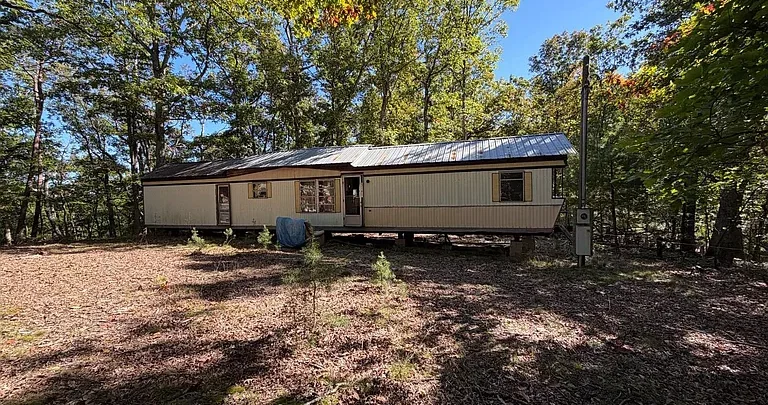
$60,000 Hunting Retreat on 11.97 Wooded Acres in Delray, West Virginia
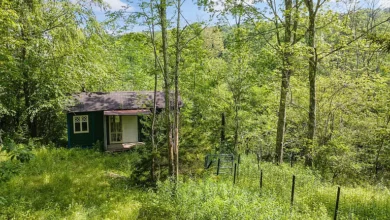
Nearly twelve wooded acres, a broad ridge, and a history as a family hunting camp give 270 Rachaels Lane in Delray, West Virginia, a distinctive recreational character. Offered at $60,000 in the supplied listing, the property sits at the dead end of a road and is described as quiet, peaceful, and rich in wildlife.
The land has reportedly remained with the same family for 34 years, serving as a place for hunting and outdoor gatherings. That history helps explain the property’s current arrangement: wooded acreage, an older single-wide used as a camp, and an old camper that the description says needs to be scrapped.
The offering is classified as unimproved land, with no bedroom or bathroom count established. Buyers should therefore evaluate it primarily as a recreational acreage purchase. The single-wide’s suitability for continued use requires inspection, and the detailed facts identify no water supply and no septic system.
For someone seeking a modest outdoor retreat rather than a finished residence, the combination of terrain, privacy, and existing camp features may be appealing. The practical opportunity depends on understanding access, restrictions, infrastructure, and the condition of what remains on the property.
Property Overview
The supplied listing identifies these principal details:
- Address: 270 Rachaels Ln, Delray, WV 26714
- Asking price: $60,000
- Property classification: Unimproved land
- Total acreage: 11.97 acres
- Location: Dead end of the road
- Subdivision: Delray Heights
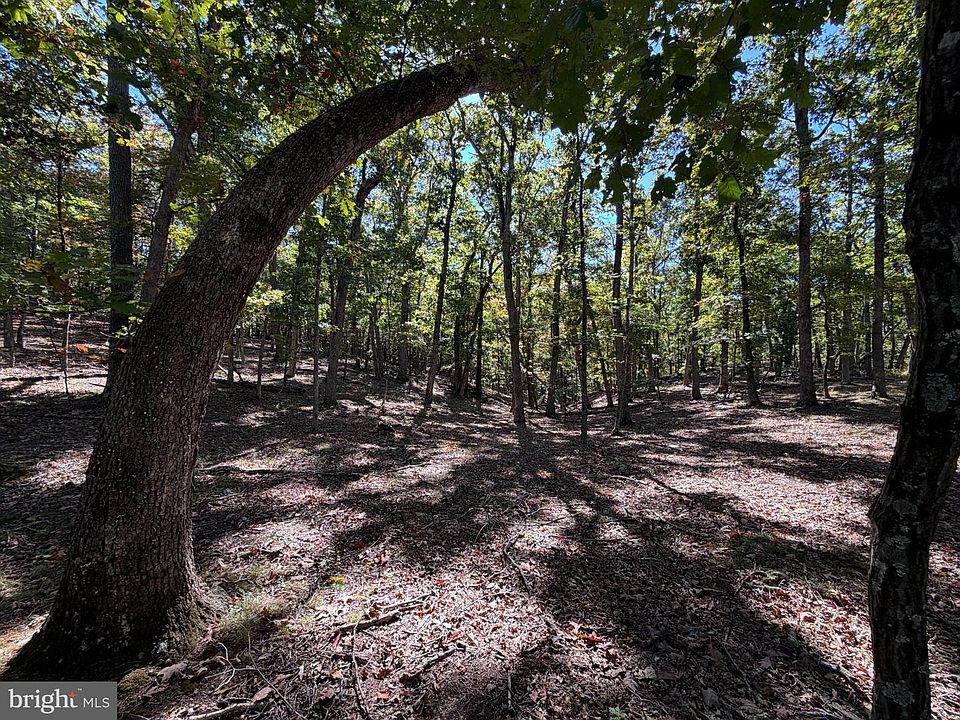
- Landscape: Wooded land with a broad ridge, two hollows, and two shallow draws
- Views: Mountains
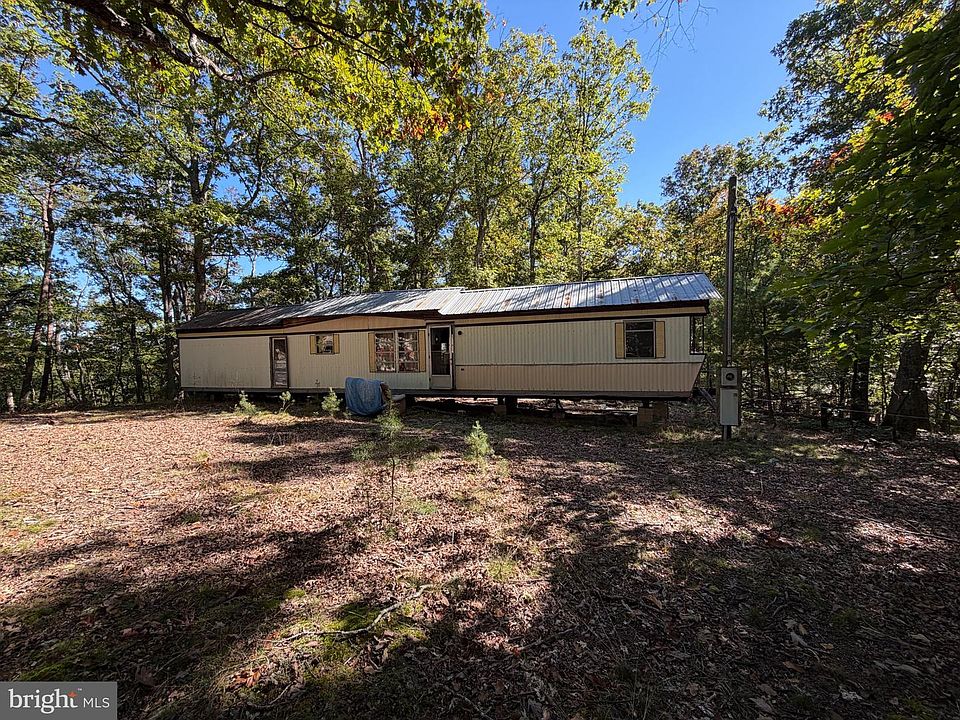
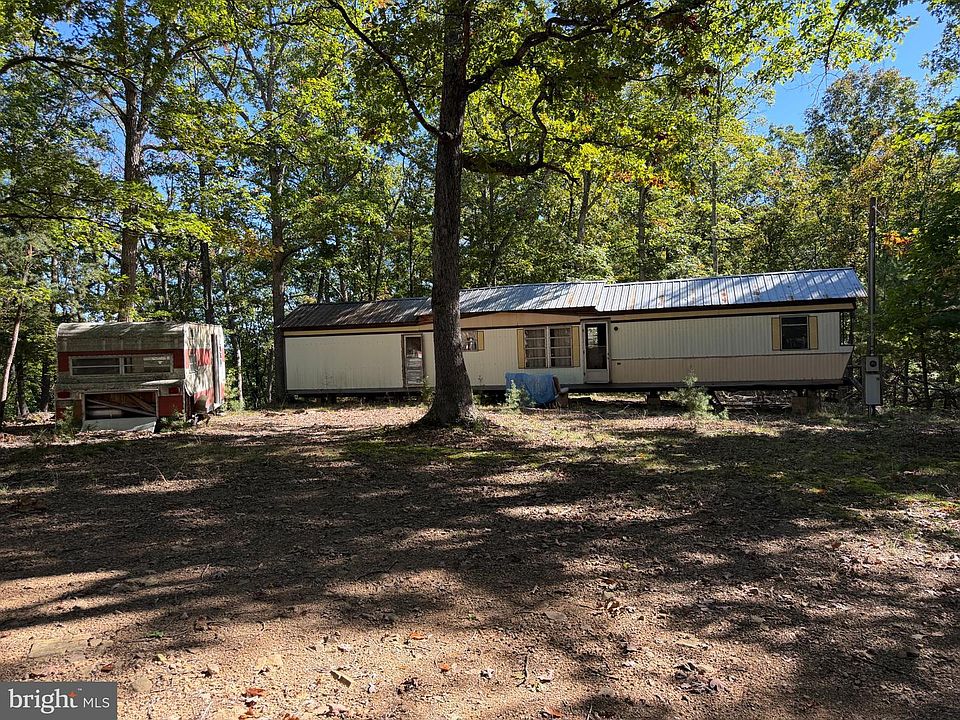
- Existing camp structure: Older single-wide
- Additional item: Older camper described as needing removal
- Water: None listed
- Septic: No septic system
- HOA: None reported
- Restrictions: Described as minimal; documents should be reviewed
- Annual property taxes: $505 in the supplied information
- Listing terms: Cash or conventional
- Included property: Described as “What You See Is What You Get”
- Possible exclusion: Seller may take the metal bunk beds
These details describe a rustic property with an established recreational history. They do not establish residential readiness or confirm the operating condition of the camp structure.
Nearly Twelve Acres Comprising Two Lots
The 11.97 acres consist of two listed parcels:
| Lot | Reported acreage | Record reference supplied |
|---|---|---|
| Lot 58 | 6.77 acres | Deed Book 584, Page 250 |
| Lot 48 | 5.20 acres | Deed Book 339, Page 107 |
| Combined | 11.97 acres | Two lots included in the offering |
Understanding how these lots connect is an important part of evaluating the property. Buyers should confirm their boundaries, access, and relationship to the ridge and existing camp.
A map can show the general arrangement, while survey information and a property walkthrough can help identify the boundaries on the ground. The location of the single-wide relative to each lot should also be established.
Two included lots provide a specific ownership configuration, but they do not automatically establish separate building opportunities. Any plans for individual use or improvements should follow a review of the relevant records and requirements.
A Dead-End Setting With a Quiet Atmosphere
The description emphasizes that the property is located at the dead end of the road.
That setting may appeal to buyers seeking separation from through traffic and a place to spend quiet time outdoors. Its wooded surroundings may contribute to the sense of privacy described in the advertisement.
However, the listing does not establish the distance to neighboring properties or describe all surrounding land uses. Buyers should visit to assess sightlines, nearby activity, and how secluded the camp actually feels.
Privacy can also vary across the acreage. An area near the entrance may have a different atmosphere from a section deeper in the woods.
For someone considering a weekend retreat, those distinctions matter. The best assessment comes from experiencing the property directly and determining whether its setting matches the buyer’s expectations.
A Broad Ridge, Two Hollows, and Two Shallow Draws
The terrain description is more specific than a simple statement that the property is wooded. It identifies a big, wide ridge, two hollows, and two shallow draws.
These features suggest varied ground rather than one uniform slope. A buyer can use them as reference points when exploring the property and understanding how its different areas relate.
The broad ridge may be worth examining for walking routes or a suitable place to spend time outdoors. The hollows and draws add variation, although their drainage and seasonal ground conditions need to be assessed.
The listing does not provide elevations, slope measurements, or a terrain map. It also does not confirm that every part is easily accessible.
A careful walkthrough can help identify practical routes and determine how much effort is required to move between the camp and more distant sections of the land.
Wooded Acreage With Mountain Views
The property is described as wooded, and the detailed facts identify mountain views.
Trees can give a recreational property a sheltered atmosphere, while views may offer a different experience from particular points on the land. The combination is worth examining during a showing.
The supplied information does not identify tree species, timber quality, or forest management history. It does not support a timber-income estimate.
Buyers should also establish where the advertised views are visible. Some outlooks may depend on season, vegetation, or the position of the viewer.
For an owner interested in preserving the landscape, existing woods can become part of the property’s appeal without requiring extensive changes. Learning the terrain and vegetation first can help guide decisions about maintenance, paths, and any future clearing.
A Long History as a Family Hunting Camp
According to the description, the same family has owned the property for 34 years and used it as a hunting camp.
That history gives the offering context. The property appears to have served a recreational purpose over an extended period, with the existing single-wide supporting that use.
Past use does not confirm that every feature remains suitable today. Access conditions, structure condition, and the owner’s intended activities should still be reviewed.
The description also states that the single-wide has been used as a hunting blind in recent years. That helps explain why it may not be arranged or maintained like a residence.
For a buyer who values an informal camp setting, the history may add interest. The decision should still rest on what the property currently provides and what work is needed for the next owner’s plans.
Hunting Potential and Wildlife Claims
The advertisement presents the land as a hunting retreat and describes it as loaded with game.
That is a seller-side description rather than a wildlife survey or a guarantee of future hunting results. The supplied information does not identify species, population levels, or harvest records.
Prospective buyers interested in hunting should examine the land’s boundaries, neighboring uses, access routes, and terrain. They should also confirm the requirements relevant to their intended activities.
Nearly twelve acres can offer a private place to explore, but acreage alone does not establish that every location is appropriate for hunting or target shooting. The surrounding setting and safe direction of activity matter.
The property’s recreational appeal is best understood through a site visit and an assessment of the actual landscape.
The Older Single-Wide Requires Inspection
The existing single-wide is described positively in the narrative, which suggests that a handy owner might be able to improve it into a useful camp.
That possibility should be treated as something to investigate. The listing does not provide its age, dimensions, construction details, or a condition report.
Buyers should examine the roof, floor, walls, supports, doors, windows, and visible signs of moisture or deterioration. They should also establish whether any utility equipment is present.
The land classification and absence of a bedroom or bathroom count mean that the single-wide should not be advertised as a confirmed livable home.
Its suitability for occasional shelter, storage, or another permitted purpose depends on condition and applicable requirements. An inspection will help determine whether retaining it makes sense for the buyer.
The Old Camper Is a Separate Cleanup Item
The description states that the old camper has deteriorated and needs to be scrapped.
That makes it a specific item to include in project planning. Buyers should confirm its location, accessibility, and what would be involved in removing it.
Removal may require equipment or transport arrangements, depending on its condition. The rough access roads could influence how that work is carried out.
The listing’s broad inclusion language also makes it useful to establish what other items remain on the property. A walkthrough can help separate useful camp equipment from material that needs disposal.
Understanding cleanup requirements before purchase gives a more complete picture of the initial work. The land’s appeal should be considered alongside the effort required to prepare it for the intended use.
Rough Access Roads, With Car Access Advertised
The listing describes the access roads as a little rough, while stating that the property can be reached in a car.
That claim should be assessed through current conditions. Buyers should clarify the route and arrange a showing with someone familiar with the approach.
Road surface, drainage, steep sections, turning space, and weather can affect the experience of reaching a rural property. A route that is manageable at one time may behave differently after heavy rain or in winter conditions.
The supplied information does not establish road maintenance responsibilities or describe access documentation. Those details should be reviewed.
Access also matters for improvements and cleanup. Removing the camper or bringing materials to the single-wide may involve different vehicle needs from an ordinary visit.
No Water Supply or Septic System Is Listed
The detailed facts identify no water supply and no septic system.
Those are important limitations for anyone considering overnight use, an improved camp, or a future residence. The property should not be assumed to have domestic services because a single-wide is present.
Buyers should determine how they would meet water and sanitation needs for their intended use. Any permanent installation requires a site-specific evaluation.
Electricity is not confirmed in the supplied information. Its availability and the condition of any existing equipment should therefore be clarified rather than assumed.
For occasional recreation, a buyer’s needs may differ from those of a full-time resident. Defining that purpose early will help establish which infrastructure questions must be answered before the property can serve the plan.
No HOA and Advertised Minimal Restrictions
The listing reports no homeowners association and describes the restrictions as minimal.
That may interest buyers who prefer a simpler ownership arrangement, but the phrase does not establish unrestricted use. The relevant documents should be reviewed to understand what applies to the two lots.
The property is within Delray Heights, so buyers should ask for any recorded restrictions associated with the subdivision or parcels.
The zoning field is marked “NA.” That entry does not establish that no requirements affect construction or use.
A practical review should focus on the buyer’s actual proposal, whether it involves improving the camp, installing utilities, camping, or considering another structure. Clear information is more useful than relying on broad promotional wording.
Purchase Terms, Included Items, and Ownership Costs
The supplied listing identifies cash and conventional purchase terms.
The conventional entry does not guarantee that a particular lender will finance the property. Buyers seeking financing should discuss the acreage and existing structures with their lender before relying on that option.
The inclusion language states “What You See Is What You Get,” while noting that the seller may remove the metal bunk beds. A written inventory or clear agreement can help establish what remains at closing.
Annual property taxes are listed at $505, which should be verified. Other ownership costs may involve road maintenance, vegetation management, structure repairs, cleanup, and utility investigations.
At $60,000, the asking price is approximately $5,013 per acre. That calculation describes the offering but does not establish market value or account for the condition of the camp and access.
A Rustic Delray Retreat With a Clear Recreational Identity
At 270 Rachaels Lane, the combination of nearly twelve wooded acres, varied terrain, mountain views, and a long history as a family hunting camp gives the property a clear recreational identity.
Its appeal is strongest for someone comfortable with a rustic setting and prepared to assess the work involved. The single-wide needs inspection, the old camper requires attention, and water and septic infrastructure are not listed.
The dead-end location and lack of a reported HOA add interest, while access and restrictions remain important to verify.
Offered at $60,000 in the supplied listing, this Delray property provides a starting point for a buyer seeking a private outdoor escape. A careful look at the land, structures, and practical requirements will determine how well it fits the next owner’s plans.


From Zillow