Affordable Homes
$149,000 1 beds 512 sqft 1.3 Acres Lot
Would You Pay $149,000 for Two Remote Waterfront Log Cabins?

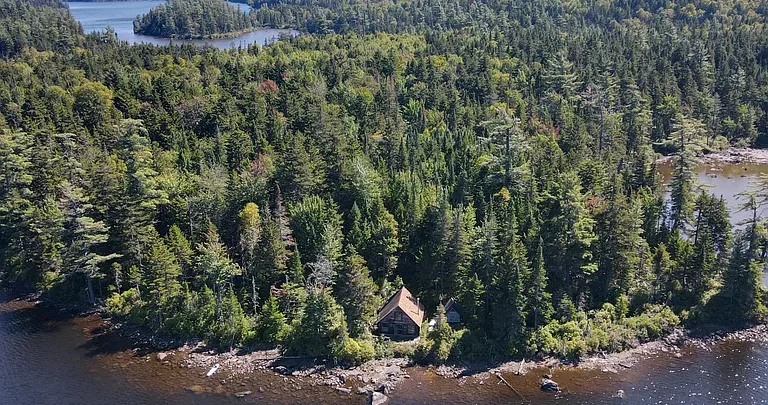
Historic Maine Fishing Camp on Little Beaver Pond Listed for $149,000
Some properties offer a place to stay. Others offer an entirely different way to spend your time. This remote fishing camp on Little Beaver Pond in Maine belongs to the second category, with two historic log cabins, a wooded setting, and a shoreline that places the water at the center of daily life.
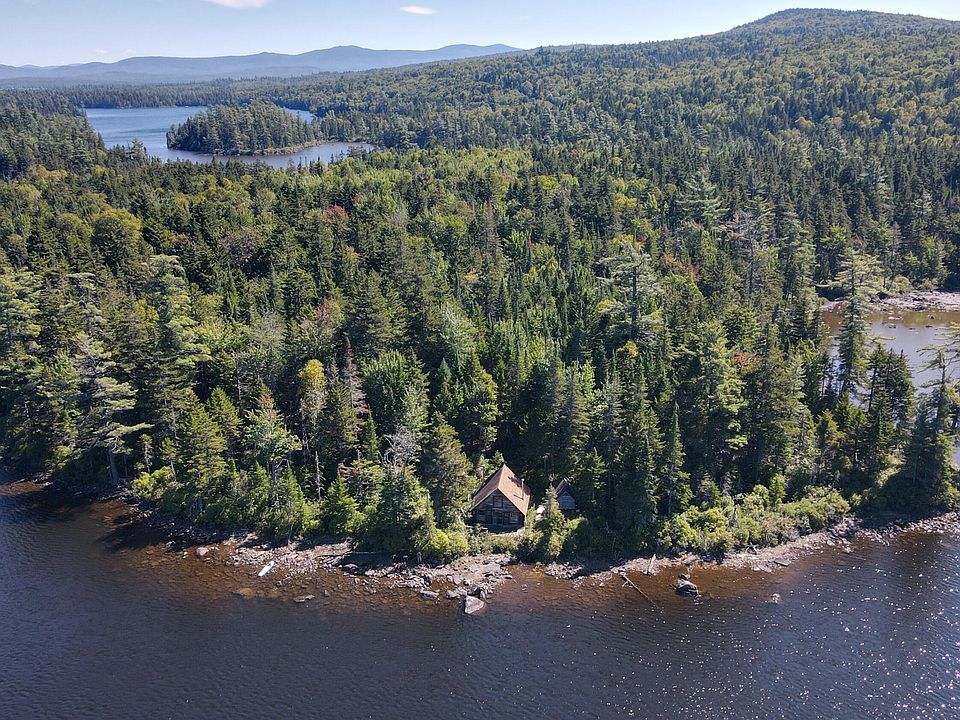
Listed at $149,000, the property is advertised at 000 Little Beaver Pond, Magalloway Plt, Maine 03579. The listing describes a 1.3-acre site with approximately 370 feet of waterfront, mountain views, and access only by boat or snowmobile. The camp sits on leased land, an essential detail for understanding what is being offered.
For someone drawn to traditional sporting camps, the appeal is easy to understand. There is a separate cooking cabin, a living cabin with a loft sleeping area, and a setting designed around fishing, paddling, and time outdoors. Its practical limitations are equally important: electricity is off grid, water is lake drawn, and the listing reports no sewer system.
A Waterfront Setting With an Unusually Private Feel
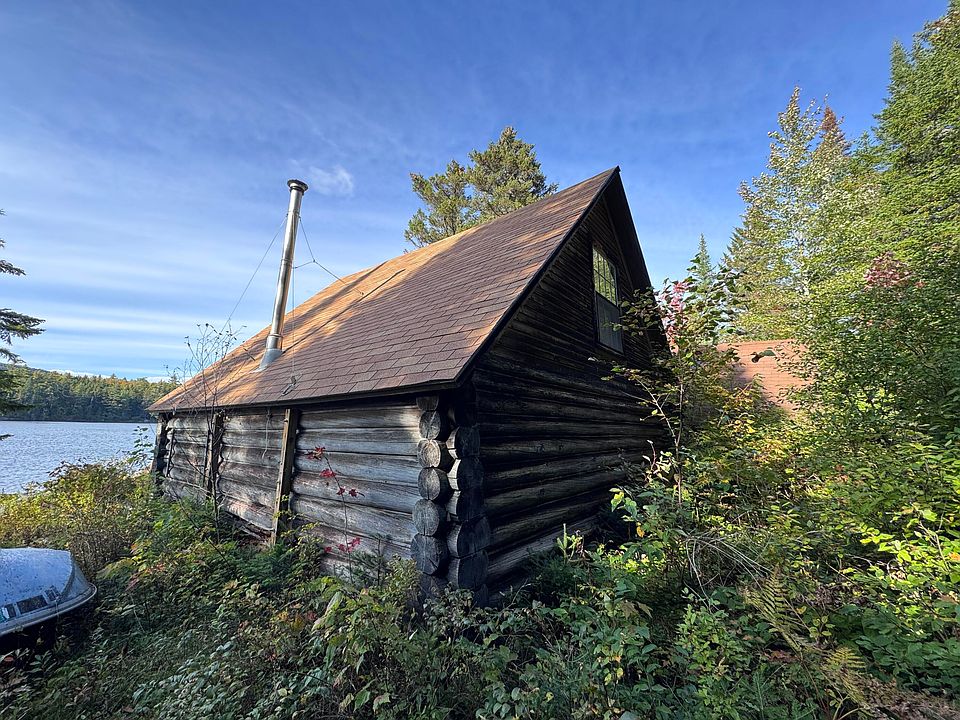
The shoreline is the defining feature of this property. With approximately 370 feet of frontage along Little Beaver Pond, the camp offers an extended connection to the water rather than a small opening between neighboring buildings.
According to the listing description, no other camp is visible anywhere on the pond. That gives the property a particularly secluded atmosphere, with views focused on water, woods, and the surrounding landscape. The advertised views of Azicohos Mountain add another layer to the setting.
A morning here could begin with watching the pond from shore before heading out in a boat. Later, the same shoreline could become a place to return after paddling or fishing, organize equipment, and spend a quiet evening outside.
The experience will naturally change with weather and season. Calm water, wind, rain, and winter conditions all shape life at a remote camp. That connection to the elements is part of its character, and something a prospective buyer should experience firsthand.
Two Original Log Cabins With Separate Purposes
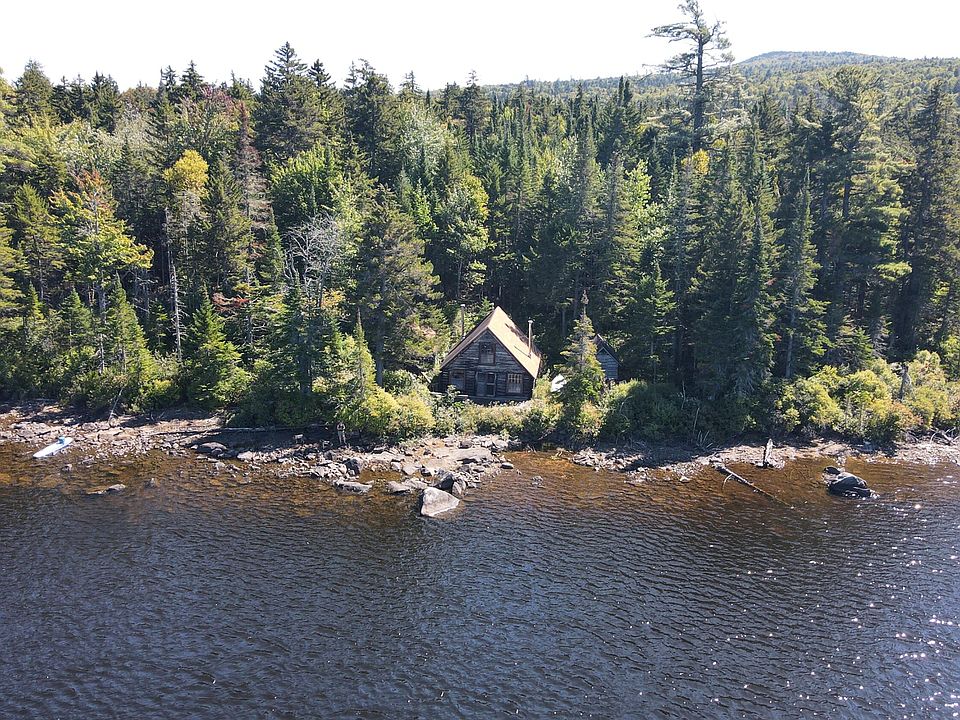
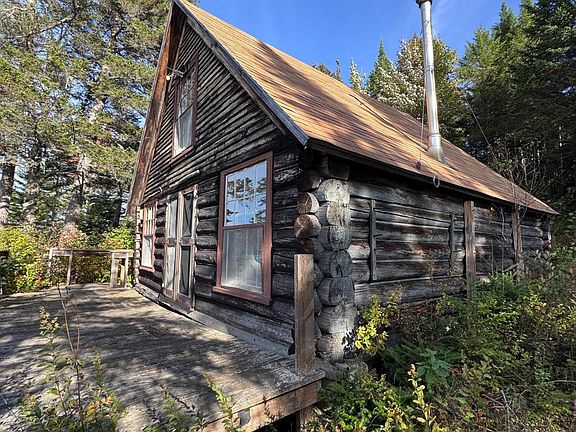
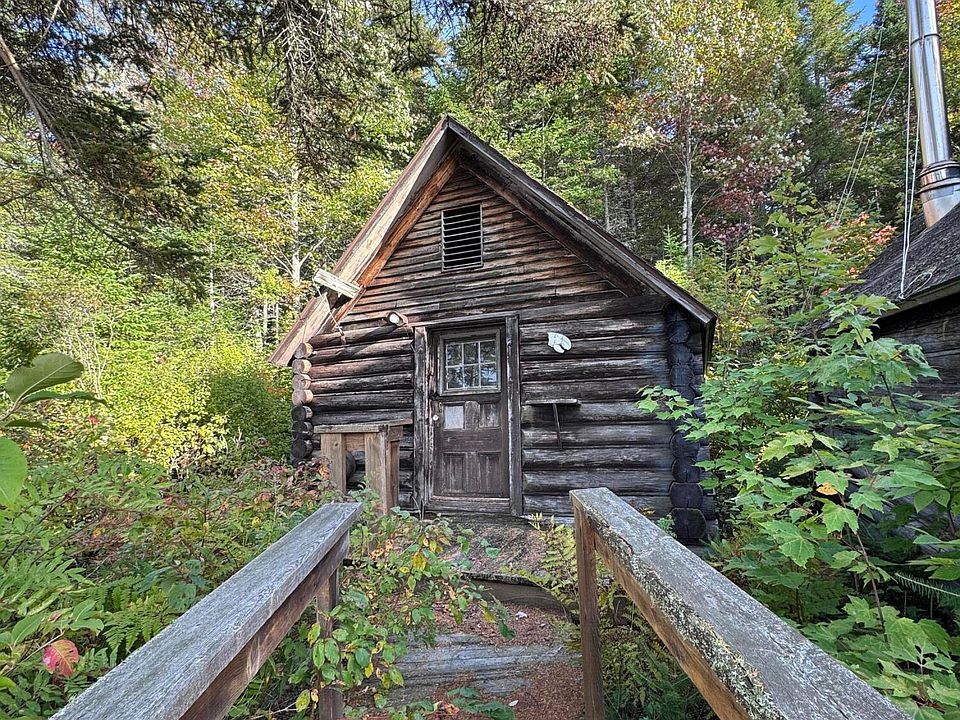
Instead of placing every activity inside one building, this property includes two original log cabins dating to the early 1900s. The listing identifies the construction year as 1900, although that should be treated as the recorded date rather than a precise history of every component.
One cabin serves as the cooking camp. The second provides living space and a loft sleeping area for guests. This arrangement gives the property a distinctive rhythm: meals and gathering take place in one building, while another offers space for resting and sleeping.
The separation may appeal to buyers who appreciate traditional camp layouts. It also means moving between buildings is part of everyday use, including during wet or cold weather.
The listing reports 512 square feet of interior living area. It does not clearly explain how that figure is divided between the two cabins or whether every enclosed space is included. Buyers should request measurements and a description of both structures to understand the full layout.
A Cooking Camp That Anchors the Experience
The dedicated cooking cabin is one of the property’s most memorable features. A separate space for preparing food and gathering can make meals feel like a central part of a camp visit.
After time on the pond, this is where guests could come together to cook, talk, and plan the following day. The listing includes a gas range and refrigerator among the appliances, providing a starting point for understanding the kitchen setup.
Their presence does not establish how they are powered, their condition, or what supplies they require. In an off-grid setting, those details affect everything from food storage to how long a visit can comfortably last.
A buyer should ask which cabin contains each appliance, how the refrigerator operates, and how fuel reaches the property. Counter space, storage, ventilation, and water handling are also worth reviewing. These practical features determine how well the cooking camp supports the intended number of visitors.
Living Space and a Loft Sleeping Area
The second cabin is described as offering comfortable living space with a loft sleeping area. The property is listed with one bedroom, and the bedroom field places it on the second level.
That arrangement fits the compact nature of the camp. A loft can preserve gathering space below while providing a separate place to sleep above. It can also give a small cabin a more varied interior than a single open room.
The actual sleeping capacity is not provided. Buyers should avoid assuming how many guests the loft can accommodate based solely on the description.
During a visit, the access to the loft, headroom, ventilation, and available sleeping space deserve attention. Those details will help determine whether the layout suits a couple, occasional guests, or longer stays.
The property is advertised as furnished. An inventory would clarify what remains with the sale, including beds, seating, tables, and any other equipment used in the cabins.
Historic Materials and Camp Character
Log construction is central to the property’s appearance and identity. The listed materials include log and log siding, with wood flooring inside.
These features support the traditional sporting-camp atmosphere described in the listing. The appeal comes from the buildings’ proportions, materials, and relationship to the surrounding woods, rather than from the amenities associated with a modern year-round house.
Historic character also makes condition especially important. A buyer should examine the logs, joints, lower wall sections, flooring, and areas exposed to moisture. Past repairs and changes can help explain how the cabins have been maintained over time.
The listed foundation type is pillar, post, or pier, and the roof covering is shingle. Both deserve a close review, along with drainage around the buildings. Access restrictions may affect the cost and scheduling of future maintenance because materials and equipment must reach the camp through the available routes.
Wood-Stove Heat and Seasonal Comfort
The camp is listed with wood-stove heating and no cooling system. That creates a straightforward connection between comfort and preparation.
For cooler visits, a wood stove can become an important part of the cabin experience. Its usefulness depends on the stove’s condition, proper installation, chimney maintenance, and the availability of dry fuel.
The listing does not specify whether both cabins have heat or whether one stove serves a particular building. It also does not establish winter suitability, insulation levels, or how the camp performs during extended cold weather.
Those questions matter for anyone considering snowmobile-season use. Access by snowmobile is mentioned, but access alone does not confirm that every system is suitable for winter stays.
A buyer planning visits beyond the warmer months should ask about previous seasonal use, how water is handled in freezing weather, and how firewood is stored and transported.
Off-Grid Electricity Requires Planning
The listing identifies the property as off grid, with no conventional electric service. It also mentions a generator hookup and lists a generator under other equipment.
That suggests a system intended to provide electricity independently, but the information does not explain its capacity, condition, fuel type, or which parts of the camp it serves.
For a prospective owner, the useful questions are specific. Does the generator power both cabins? Which lights, outlets, and appliances are connected? Is the generator included in the sale, and are operating instructions or service records available?
Fuel transportation and storage are another part of the picture. A remote property can require more preparation than a camp reached by road.
Buyers should also avoid assuming that internet service or dependable mobile coverage is available. Neither is established by the supplied listing. Anyone who needs connectivity during visits should verify it at the property.
Lake-Drawn Water and an Outhouse
The water source is listed as lake drawn, while sewer service is listed as none. An outhouse or privy appears among the additional structures.
These details distinguish the camp from a conventional residence. They should be understood before a buyer plans overnight visits, extended stays, or improvements.
Lake-drawn water should not be assumed to be suitable for drinking based on the listing alone. The seller or agent should explain the intake, pumps, storage, any treatment equipment, and the current use of the water.
The bathroom count is left unspecified. The presence of an outhouse does not establish that there is an indoor bathroom, shower, or modern plumbing arrangement.
A showing should include a clear explanation of sanitation facilities and their condition. Buyers should also confirm what maintenance is needed and whether any proposed changes would require review or permission.
Boat and Snowmobile Access Shape Ownership
The property is advertised as accessible only by boat or snowmobile. This is one of its strongest sources of privacy, and one of its most significant practical considerations.
A visit involves more than driving to the front door. Food, clothing, fuel, and equipment need to be organized around the final stage of the journey. Larger items may require additional planning.
The listing mentions a parking area where a vehicle can be left, along with space on the shore to leave a boat. However, it does not provide the exact locations or explain the legal arrangements governing their use.
Buyers should confirm how they reach the parking area, where they launch, how far the water journey is, and which access rights are included. Seasonal restrictions and maintenance responsibilities should also be discussed.
It is particularly important to understand access during the periods between reliable boating conditions and established snowmobile conditions.
Leased Land Is a Central Part of the Offering
The cabins are situated on leased land. Although the listing reports a 1.3-acre lot, that acreage should not be interpreted as land conveyed in ordinary ownership.
The lease will define much of the ownership experience. Its duration, payment amount, renewal provisions, transfer requirements, and restrictions can affect the property’s usefulness and long-term cost.
Buyers should obtain the complete lease before evaluating the offering solely on its asking price. It should clarify who owns the land, what structures the buyer would own, and what happens when the lease ends.
The listing also uses “Lease Purchase” in the listing-terms field. That label alone does not explain the proposed transaction or establish a particular financing arrangement.
Similarly, a waterfront field labels 370 feet as owned frontage, while the property is separately marked as being on leased land. The actual shoreline rights need to be established through the lease and transaction documents.
A Wooded Site Beside Conservation Land
The advertised lot features include wooded land and a boundary adjoining conservation land. Together, these support the wilderness atmosphere described in the listing.
A wooded setting offers shade, changing seasonal scenery, and a close visual connection to the landscape. It also requires ongoing attention around structures, paths, and the shoreline.
The relationship to conservation land should be understood carefully. Adjoining protected property does not automatically give a camp owner permission to use it for every outdoor activity.
A buyer interested in walking, hunting, or other recreation should confirm boundaries and applicable access rules. A current map would also help explain the leased area, the cabin locations, and the shoreline.
This is useful for understanding both privacy and responsibility: which areas may be used, which must remain undisturbed, and where routine maintenance belongs.
Fishing, Paddling, and Outdoor Recreation
The listing presents the camp as a base for fishing, hunting, snowmobiling, and paddling. Its pondside location gives boating and time on the water a natural place in that description.
The separate cabins could support a simple recreational routine: prepare meals, spend the day outside, and return to a sheltered place to rest. Buyers who enjoy repeating that pattern may find the property’s compact size well suited to their plans.
Specific recreational rights still need confirmation. The listing does not establish fish species, fishing quality, hunting rights, trail permissions, or snowmobile route connections.
Those details are best verified for the activities a buyer actually intends to pursue. Someone mainly interested in summer paddling will have different questions from someone planning winter visits.
The camp’s value as a retreat will depend partly on how closely its access, facilities, and setting match those expectations.
The Deck and Shoreline Add Outdoor Living Space
A deck is included among the listed features, providing an outdoor area associated with the camp. In a small property, that space can play a meaningful role during favorable weather.
It may offer a place to sit, remove outdoor gear, or spend time near the cabin without remaining indoors. The shoreline extends the experience further, placing the pond within the everyday pattern of a visit.
The supplied information does not specify the deck’s dimensions, condition, or which cabin it serves. Those details should be checked during a showing.
The description also mentions room to leave a boat along the shore, but it does not establish an existing dock or developed launch. A buyer should examine how boats are currently stored and how people move safely between land and water.
These modest practical details can have a large effect on the ease of using a remote camp.
Understanding the Asking Price and Ongoing Costs
At $149,000, the property is priced as a combination of historic cabins, waterfront use, privacy, and recreational setting. Its reported 512 square feet produces a listed price of approximately $291 per square foot.
That figure captures only one part of the offering. It does not describe the lease, access arrangements, condition of both cabins, or the costs of maintaining an off-grid property.
The listed annual tax amount is $3,008. A buyer should confirm what the assessment covers and review the current bill rather than assuming it represents the entire annual cost.
The lease payment is not provided in the supplied information. Other expenses may include insurance, generator fuel, heating supplies, transportation, and repairs.
The advertised monthly payment estimate is also insufficient for budgeting. Financing terms, lease expenses, and the property’s eligibility for a particular loan would need separate confirmation.
What to Review Before Making an Offer
A productive viewing should cover both the atmosphere of the property and the systems that make a stay possible.
The cabins’ condition, roof coverings, supports, wood stove, generator, appliances, water setup, and sanitation facilities all deserve attention. Buyers should ask how the camp has been used recently and what work has been completed.
The document review is just as important. The lease, access rights, parking arrangements, shoreline permissions, and included furnishings should be clear before an offer becomes binding.
The listing identifies the zoning as LUPC. Any plans to expand, replace structures, alter utilities, or make other substantial changes should be checked with the appropriate authority and landowner.
Finally, visiting through the actual access route can help a buyer judge whether the journey feels enjoyable and manageable. For this property, reaching the camp is part of owning it.
A Distinctive Retreat for Traditional Camp Living
Little Beaver Pond offers a property with a specific identity: two historic log cabins, an extended shoreline, mountain views, and a remote setting reached by boat or snowmobile.
Its strengths are closely connected to its simplicity. Separate cooking and living spaces, wood-stove heat, and an off-grid setup create an experience centered on the camp and the outdoors.
For a buyer comfortable with leased land and the preparation remote access requires, the property may offer a rewarding place for recreational visits. Understanding the lease and facilities will help determine whether that appeal translates into a practical fit.
Listed at $149,000, this Maine sporting camp invites a closer look from anyone seeking historic character and a secluded pondside setting.



Listed on Zillow.