Sam Smith’s Grand Ole Opry Debut Raises Questions About the Changing Sound of Country Music
Sam Smith Is Set to Appear at the Grand Ole Opry
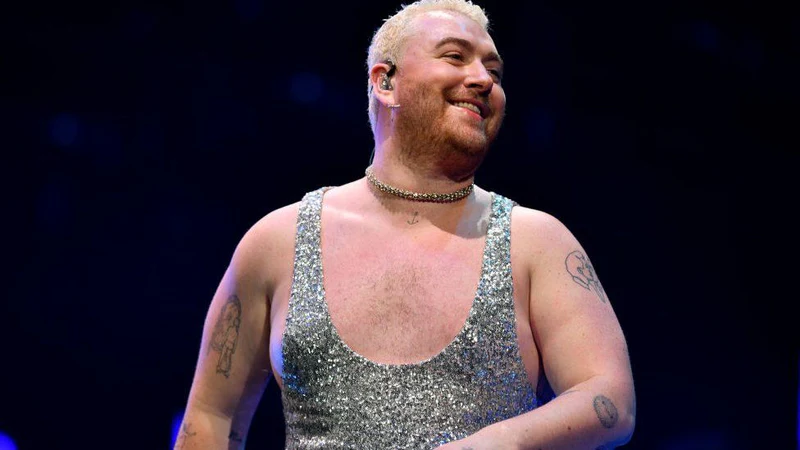
Sam Smith is preparing for a notable appearance at the Grand Ole Opry in Nashville.
The internationally successful singer is scheduled to perform at the Opry House on October 21, 2026, as part of the ongoing Opry 100 celebration. The official Grand Ole Opry calendar lists Smith among the featured artists for the evening, with additional performers still to be announced.
The announcement has attracted attention because Smith is primarily known for pop, soul, and R&B rather than for a traditional country career.
That difference has led some country music fans to question what an Opry debut represents today and how the historic institution is defining the boundaries of its modern programming.
For some listeners, the booking is an exciting opportunity to see a major international artist step onto one of country music’s most famous stages.
For others, it raises a broader question about the relationship between the Grand Ole Opry and the evolving definition of country music.
A Career Built Outside Traditional Country Music
Sam Smith has spent more than a decade building a highly successful career in contemporary popular music.
Their early breakthrough came with the release of the album In the Lonely Hour, which established Smith as one of the most recognizable vocalists of their generation.
Since then, Smith has released several successful albums and accumulated major international awards and recognition.
The artist has also worked across several musical styles, including pop, soul, R&B, and acoustic music.
According to the Grand Ole Opry’s official artist profile, Smith is a five-time Grammy winner and has achieved significant global sales and streaming numbers throughout their career. The Opry also notes Smith’s more recent work and their fifth studio album, Hazel Eyes.
That background makes the upcoming Opry appearance particularly interesting.
Smith is not entering the venue as an unknown performer trying to establish a career. Instead, they are arriving as an internationally established artist with a substantial catalog and a large worldwide audience.
Why the Opry Appearance Is Getting Attention
The Grand Ole Opry has a unique place in American music.
For generations, appearing on its stage has represented an important milestone for country artists. The venue has hosted established stars, emerging performers, traditional musicians, and artists who have helped shape the genre.
Because of that history, some fans naturally associate an Opry appearance with a connection to country music.
Smith’s upcoming performance challenges that traditional expectation.
The question is not whether Smith is successful. Their career clearly demonstrates that they are.
The question is what criteria should determine who receives an Opry debut.
Should an artist have a long history in country music?
Should they have a strong connection to Nashville?
Should they perform primarily country songs?
Or can a major artist from another genre become part of the Opry’s modern musical story by bringing a different sound to the stage?
Those questions are likely to remain part of the conversation surrounding the October performance.
Music Genres Continue to Overlap
One reason the discussion is complicated is that musical genres are not as clearly separated as they once were.
Country music has always borrowed from other styles.
Country recordings have incorporated elements of rock, blues, gospel, folk, pop, bluegrass, and R&B for decades.
At the same time, mainstream pop artists increasingly use acoustic instruments, roots-inspired production, and country songwriting techniques.
The presence of steel guitar or other country-oriented instrumentation does not automatically turn an artist’s entire career into country music.
However, it can demonstrate an interest in the musical traditions associated with the genre.
This is one reason Smith’s appearance can be viewed from multiple perspectives.
Rather than asking whether Smith suddenly became a country artist, it may be more useful to ask whether the Opry is intentionally creating room for artists who exist between genres.
Opry 100 Is About the Next Chapter
The timing of Smith’s appearance is also significant.
The Grand Ole Opry has been celebrating its 100th anniversary era through the Opry 100 series.
The Opry’s official information explains that the celebration brings together country legends, newcomers, superstars, and surprise guests as the institution looks toward its future.
That description provides important context for Smith’s booking.
The Opry is not presenting every performance as a traditional country concert.
Instead, the Opry 100 programming is designed to highlight different generations and different parts of the musical landscape.
The October 21 show is officially listed as an “OPRY 100” performance featuring Sam Smith, with more artists expected to be announced.
From that perspective, Smith’s appearance can be interpreted as part of a broader effort to connect the Opry’s history with contemporary music.
A Historic Stage With a Changing Audience
The Grand Ole Opry has survived because it has changed while maintaining connections to its history.
That balance is not always easy.
A musical institution that refuses to evolve can eventually become disconnected from new audiences.
On the other hand, changing too quickly can make longtime supporters feel that an important tradition is being diluted.
The debate surrounding Smith’s upcoming appearance reflects that tension.
Some fans may welcome the opportunity to hear an artist with a different musical background perform on the Opry stage.
Others may prefer a stronger emphasis on performers who have spent years developing careers within country music.
Neither reaction is necessarily surprising.
The Opry’s significance comes partly from the emotional connection fans have developed with the venue over many generations.
What an Opry Debut Actually Means
It is also important to distinguish an Opry appearance from becoming an Opry member.
A performance at the Grand Ole Opry does not automatically mean that an artist has become a member of the institution.
The upcoming Smith appearance is currently listed as a performance during an Opry 100 show.
That distinction matters because the Opry has hosted a wide variety of artists throughout its history.
A guest appearance allows the institution to bring different musical voices to its stage without necessarily changing the artist’s identity or classification.
Smith can therefore perform at the Opry without suddenly being described as a traditional country performer.
The performance can simply represent a meeting between an internationally recognized artist and one of the most historic stages in country music.
The Case for Welcoming New Artists
There is a reasonable argument in favor of the booking.
Music changes constantly, and audiences do not always listen within strict genre boundaries.
A person can enjoy classic country, modern country, pop, soul, rock, and R&B without seeing those interests as contradictory.
Bringing artists from outside traditional country circles onto the Opry stage can introduce new audiences to the venue.
Smith’s enormous international fan base may include listeners who have never attended an Opry performance.
For those fans, the October 21 show could become an introduction to the history and atmosphere of the Grand Ole Opry.
That kind of crossover could ultimately benefit both the artist and the institution.
Why Traditionalists May Still Have Concerns
At the same time, longtime country music supporters have understandable reasons for asking questions.
The Opry’s reputation was built over many decades by artists who devoted their careers to country music and related American roots traditions.
For those listeners, the stage represents something more specific than simply being a prestigious concert venue.
It represents a cultural tradition.
When an internationally known pop artist receives an Opry debut, some fans may wonder whether the meaning of that stage is changing.
That concern does not necessarily mean they dislike Smith or their music.
It can simply reflect a desire to preserve the qualities that made the Opry special in the first place.
The October Performance Could Provide the Answer
Ultimately, the most useful way to judge the decision may be to wait for the performance itself.
What songs will Smith perform?
Will the set emphasize their established pop and soul catalog?
Will the performance feature country musicians or arrangements?
Will the appearance be a one-night crossover moment or the beginning of a deeper relationship with the Opry?
Those details may tell audiences more than the announcement alone.
The Opry has already made the decision to include Smith in its Opry 100 programming.
Now the performance will provide an opportunity to see how that decision works artistically.
A Debate About the Future of the Opry
The discussion surrounding Sam Smith’s Opry debut is ultimately part of a much larger conversation.
It is about what a historic music institution should look like in the modern era.
Should tradition mean preserving a specific sound?
Or should tradition also include the willingness to welcome new artists and musical influences?
The Grand Ole Opry has chosen, at least in its current Opry 100 programming, to emphasize both history and the future.
Its official description of the celebration specifically points toward a combination of legends, newcomers, superstars, and new voices.
That makes Smith’s appearance easier to understand as part of a broader programming philosophy.
Whether every fan agrees with that philosophy is another matter.
What Sam Smith Brings to the Stage
Regardless of genre classification, Smith brings considerable experience to the Opry stage.
They have spent years performing for large audiences around the world and have developed a distinctive vocal style.
Their ability to move between powerful ballads, soulful arrangements, pop productions, and more stripped-down performances could create an interesting contrast with the traditional Opry format.
That contrast may be precisely what makes the performance worth watching.
The Opry does not necessarily have to choose between tradition and experimentation.
A historic stage can preserve its identity while still allowing artists from different backgrounds to participate in its ongoing story.
A New Chapter for a Historic Institution
Sam Smith’s October 21 appearance will undoubtedly attract attention.
Some country fans will welcome the crossover.
Others will continue to question whether an artist primarily associated with pop belongs on the Opry stage.
That debate is unlikely to disappear immediately.
But it may also be a sign that the Grand Ole Opry remains relevant enough to generate serious discussion about the direction of country music.
A century-old institution faces the same challenge as any long-running cultural organization: preserving what makes it special while finding ways to remain connected to new generations.
The Opry’s decision to include Sam Smith in its Opry 100 programming represents one example of that balancing act.
The performance itself will ultimately show how successfully the worlds of contemporary pop and historic country music can share the same stage.
For now, one thing is certain: Sam Smith is officially scheduled to appear at the Grand Ole Opry on October 21, 2026.
And whether fans see the booking as an exciting expansion of the Opry’s musical world or as a departure from its traditional identity, the conversation surrounding it demonstrates just how much meaning the Opry stage continues to carry.