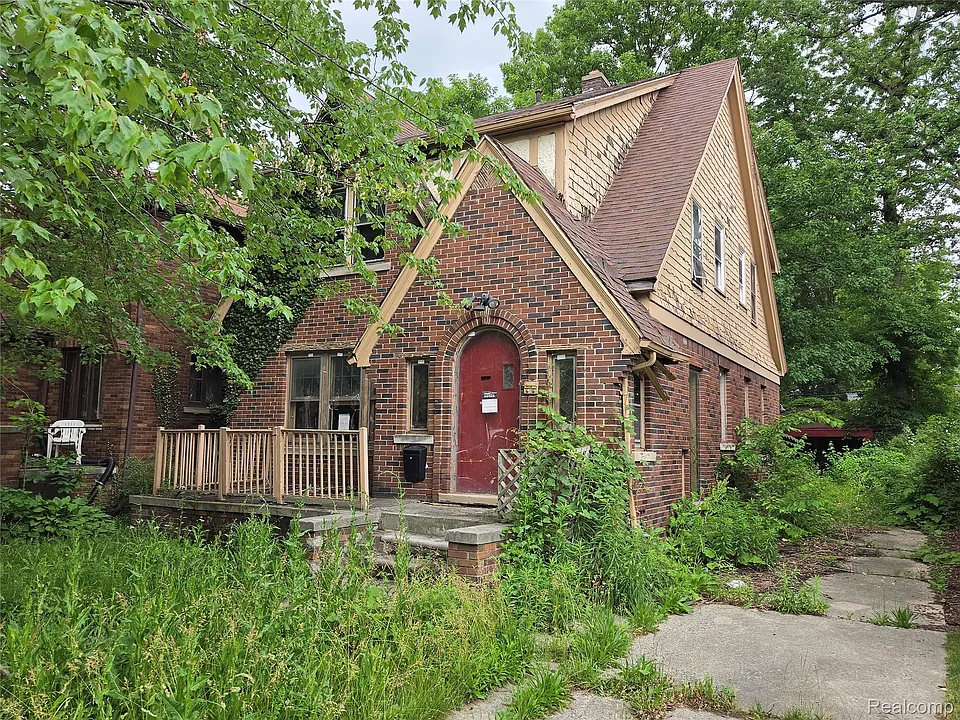
Exceptional Multi-Family Investment Opportunity in Detroit’s East English Village
Unlock the potential of a unique redevelopment opportunity in one of Detroit’s established neighborhoods. Located in the desirable East English Village area, this brick multi-family property presents an outstanding chance for investors, developers, builders, and experienced renovators to transform a property with significant upside. Whether you’re expanding your real estate portfolio, pursuing your next rehabilitation project, or looking to contribute to the continued revitalization of Detroit, this property offers the foundation for a rewarding investment.
Constructed with durable brick construction and situated in a neighborhood known for its character and historic appeal, this multi-family property is ready for a complete renovation. Buyers with vision, experience, and a well-developed renovation strategy will appreciate the opportunity to restore and reposition this property while contributing to the ongoing growth and renewal taking place throughout Detroit.
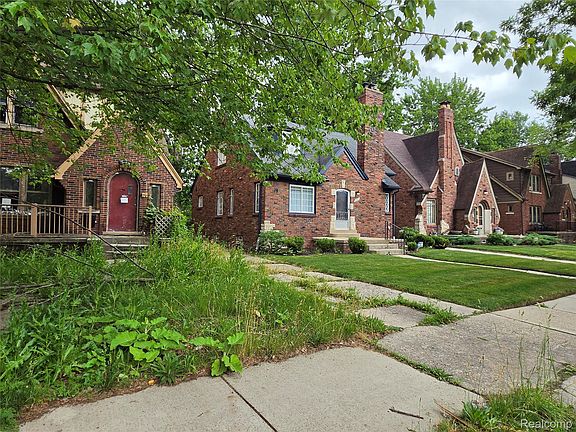
East English Village has long been recognized as one of Detroit’s most established residential communities. The neighborhood is known for its attractive streets, mature trees, classic architecture, and strong sense of community. Many nearby homes have been restored and updated over the years, reflecting the area’s continued appeal among homeowners and investors alike. Purchasing property in a neighborhood with an established identity provides the opportunity to invest in a location that continues to attract interest from buyers seeking both character and long-term value.
This property is zoned R1, and prospective purchasers are encouraged to carefully review all applicable zoning regulations, permitted uses, and local development requirements to ensure their proposed plans comply with municipal guidelines. Buyers should conduct their own due diligence regarding zoning, building permits, occupancy requirements, and any additional regulations that may apply to future redevelopment.
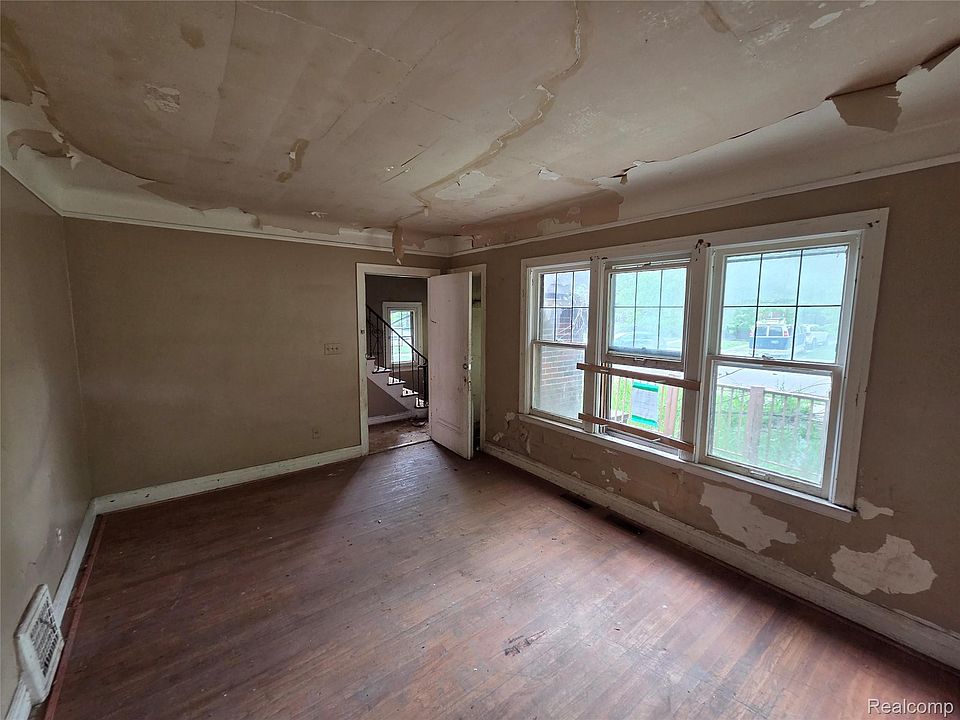
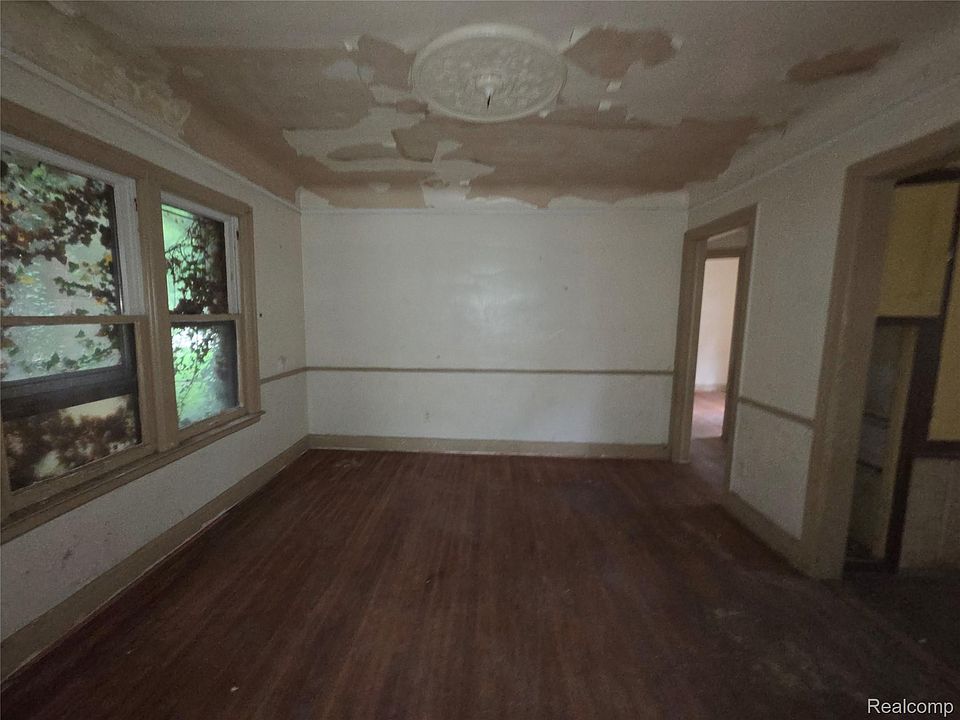
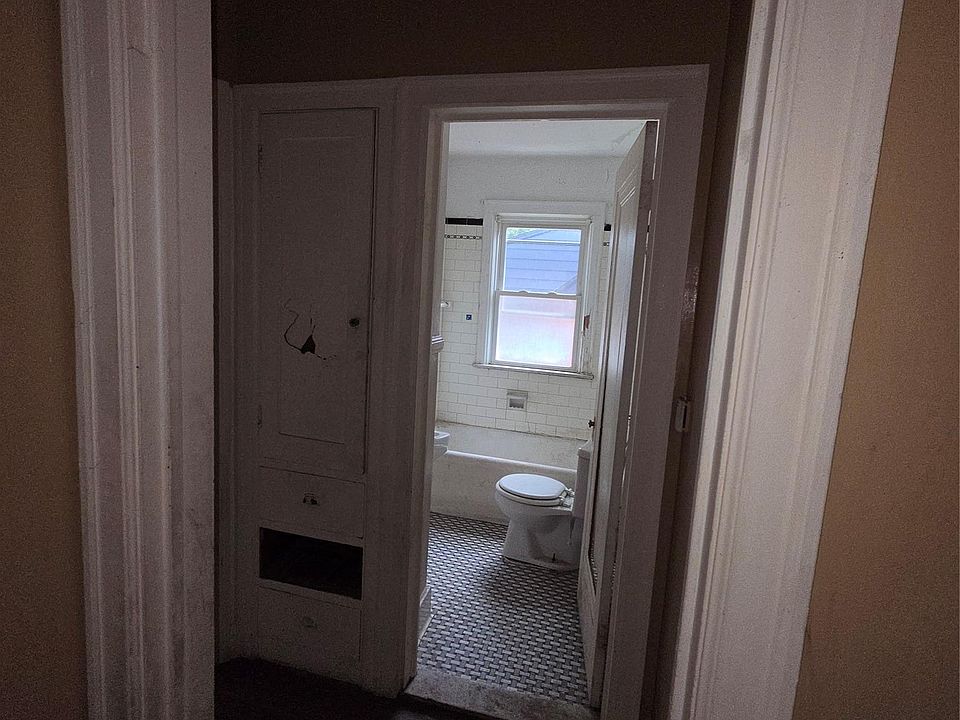
The home requires a complete rehabilitation, making it well suited for experienced investors and contractors who recognize the value of restoring existing structures. A full renovation provides the flexibility to redesign interior spaces, modernize building systems, improve functionality, and create a finished product that aligns with current market expectations while preserving the property’s structural character.
Rather than purchasing a property with someone else’s renovation choices, this offering allows you to oversee every stage of the redevelopment process. From layout improvements and updated mechanical systems to modern finishes, energy-efficient upgrades, and enhanced curb appeal, the possibilities are extensive for those prepared to undertake a comprehensive rehabilitation project.
Detroit continues to attract attention from investors seeking opportunities in neighborhoods experiencing ongoing redevelopment and renewed investment. As public and private investment continues throughout many parts of the city, thoughtfully renovated properties have become an important part of neighborhood revitalization. Buyers with a long-term investment perspective may find this property particularly attractive due to its location and redevelopment potential.
This offering is especially well suited for experienced real estate investors, licensed contractors, redevelopment professionals, and builders who understand the planning and execution required for substantial renovation projects. The property’s existing structure provides the starting point for a transformation that could significantly enhance both its functionality and long-term value.
Because the property requires extensive rehabilitation, buyers should carefully evaluate construction costs, project timelines, financing options, contractor availability, and permitting requirements before submitting an offer. Preparing a detailed redevelopment strategy in advance will help demonstrate readiness to complete the project successfully.
As required by the seller, all prospective purchasers must submit a comprehensive proposal to purchase. The proposal should clearly outline the buyer’s intended rehabilitation plans, including the scope of improvements, projected timeline, and overall development strategy. Providing detailed information helps demonstrate the purchaser’s commitment to successfully completing the redevelopment.
In addition to the rehabilitation proposal, buyers must include a financing plan that explains how the project will be funded. Acceptable documentation includes Proof of Funds demonstrating the financial capacity to complete the acquisition and renovation or a valid pre-approval letter for a new construction or rehabilitation loan, as applicable. Buyers are encouraged to ensure all supporting documentation is complete and current before submitting an offer.
The property is offered through the Detroit Land Bank Authority (DLBA), and all interested purchasers should carefully review the organization’s acquisition requirements prior to submitting a proposal. The DLBA has established specific procedures designed to encourage responsible redevelopment while supporting long-term neighborhood stabilization.
Prospective buyers should also be aware of the DLBA’s tax capture policy. Following the transfer of ownership, the DLBA is entitled to a tax capture for the first five tax years. This tax capture may not be compatible with certain tax abatements that might otherwise be available to a purchaser. Buyers considering development incentives or tax abatement programs should carefully evaluate how the DLBA’s tax capture provisions may affect their project financing.
Under certain circumstances, the DLBA may review requests to waive its tax capture rights. Approval of such requests is not guaranteed and is subject to the organization’s review process. In some cases, approval may require a negotiated Payment in Lieu of Taxes (PILOT). The amount of any required payment will generally be determined after reviewing the project’s development pro forma and evaluating the impact that available tax incentives may have on both the acquisition and redevelopment financing.
Because every redevelopment proposal is unique, interested buyers are encouraged to consult with qualified legal, financial, tax, and real estate professionals to fully understand how these requirements may apply to their specific development plans. Proper planning before acquisition can help ensure a smoother redevelopment process.
The purchaser is responsible for conducting all inspections and verifying all property information independently. Buyers should perform their own due diligence regarding the property’s current condition, dimensions, utilities, structural integrity, environmental considerations, zoning compliance, rehabilitation costs, and any other matters material to their purchasing decision.
The notation BATVAI (Buyer to Verify All Information) applies. All information is believed to be accurate but should be independently verified by the purchaser before closing.
Interested parties should carefully review all attached documentation provided by the seller, including the Detroit Land Bank Authority requirements, proposal submission instructions, offer guidelines, redevelopment obligations, and any additional disclosures that accompany the property. Compliance with these requirements is an important part of the acquisition process.
Whether your investment strategy involves restoring multi-family housing, contributing to neighborhood redevelopment, or expanding your portfolio with value-add opportunities, this property offers the chance to participate in Detroit’s ongoing transformation. With careful planning, quality construction, and a thoughtful rehabilitation strategy, this property has the potential to become a valuable asset within an established residential community.
Opportunities to redevelop brick multi-family properties in neighborhoods with established character continue to attract experienced investors seeking long-term potential. This property represents more than a renovation project—it offers the opportunity to contribute to the continued revitalization of Detroit while creating housing that can serve future residents for years to come.
If you’re prepared to take on a full rehabilitation project and understand the requirements associated with purchasing through the Detroit Land Bank Authority, this property deserves your consideration. Bring your experience, your vision, and your redevelopment plan to unlock the possibilities this investment has to offer.
Property requires complete rehabilitation. Buyer must submit a purchase proposal that includes a detailed rehabilitation plan and financing documentation, including Proof of Funds or a pre-approval letter for applicable financing. Please review all attached DLBA requirements, tax capture information, disclosures, and offer submission instructions prior to submitting an offer. Buyer to verify all information. From: Zillow




From: Zillow