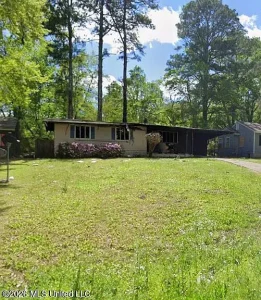
$8,000 Fire-Damaged Home in Jackson, Mississippi: Three Bedrooms and a Major Renovation Project
An asking price of $8,000 makes the property at 313 Lawrence Road in Jackson, Mississippi, stand out. However, the supplied listing also explains why the price is so low: the house has extensive fire damage and requires major repairs.
The single-family residence is listed with three bedrooms, one full bathroom, and approximately 1,096 square feet of interior space. Built in 1954, it occupies a roughly quarter-acre lot in the Broadmoor subdivision.
Public water, public sewer, and reportedly available owner financing are additional details worth noting. Nevertheless, these features should be considered alongside the condition of the building and the full cost of any proposed work.
For a buyer experienced with damaged properties, the house may provide a project to investigate. Its suitability will depend on professional inspections, written repair estimates, and a clear understanding of what remains usable.
The purchase price is only the starting point. Before deciding whether this property offers value, a buyer needs to understand the building, the land, and the costs involved in its next chapter.
Property Details at a Glance
According to the supplied property information, the home is offered with the following features:
- Address: 313 Lawrence Road, Jackson, MS 39206
- Asking price: $8,000
- Property type: Single-family residence
- Bedrooms: Three
- Bathrooms: One full bathroom
- Reported interior area: Approximately 1,096 square feet
- Year built: 1954
- Layout: One story
- Lot size: Approximately 0.25 acres
- Subdivision: Broadmoor
- Condition: Extensive fire damage
- Sale condition: AS-IS/WHERE-IS
- Water and sewer: Public services listed
- HOA: None reported
- Annual property taxes: Approximately $1,211
- Tax-assessed value: Approximately $41,540
- Owner financing: Reportedly available
These figures provide a useful introduction, but they do not establish the home’s current habitability or the condition of its systems. Therefore, buyers should confirm the details directly and assess the property before relying on them in a project budget.
Understanding the Low Asking Price
The $8,000 price is the most attention-grabbing part of the offering. However, a damaged house cannot be compared with an occupied, maintained home on price alone.
A low acquisition cost may leave room in a budget for repairs, but it does not establish whether those repairs are practical. The work could cost substantially more than the purchase itself.
For that reason, the useful comparison is between the total project cost and the property’s realistic value after completion. Purchase expenses, repairs, financing, insurance, taxes, and other carrying costs all belong in that calculation.
The advertised price of approximately $7 per square foot should also be viewed in context. Until the damage is understood, it says little about the cost of producing safe, usable living space. A detailed assessment will provide a stronger basis for evaluating the opportunity.
Extensive Fire Damage Defines the Project
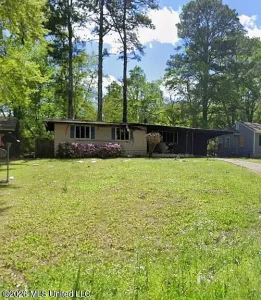
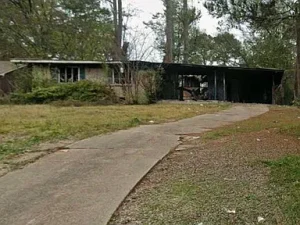
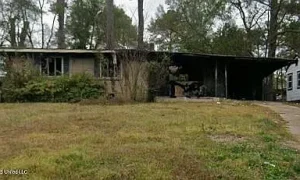
The listing identifies extensive fire damage, making condition the central issue for prospective buyers. This is a substantial rehabilitation project rather than a home presented as needing only paint and decorative updates.
The supplied information does not include a complete damage report. As a result, buyers should avoid assuming that particular rooms or building components can be saved.
Visible damage is only part of the assessment. Qualified professionals can determine what needs further investigation and which areas can be entered safely.
A useful inspection should establish the scope of the damage before a detailed design is developed. That sequence helps prevent money being spent on plans that do not match the building’s condition.
Once the findings are available, the buyer can consider whether restoration remains practical or whether another approach deserves investigation.
Assessing the Structure and Roof
The structure and roof are important starting points because they affect the rest of the project. Before planning new finishes, a buyer needs to know whether the remaining building can support the proposed work.
A qualified assessment can address framing, load-bearing elements, the foundation, and other components relevant to the damage. The findings should guide decisions about repair, replacement, or further testing.
Meanwhile, the roof’s condition will help establish whether the interior remains exposed to weather. The supplied description does not confirm its current status.
If protective work is needed, its scope and cost should be included in the overall plan. However, buyers should obtain professional guidance rather than assume a temporary repair will resolve the problem.
Understanding these fundamentals early creates a clearer starting point for every later decision about the house.
Interior Condition Requires Separate Evaluation
The condition of walls, ceilings, floors, windows, and doors will influence how much of the interior can remain. However, the listing does not provide enough detail to identify what is salvageable.
Smoke exposure and moisture are additional issues for professionals to assess. Their extent should be established before deciding which materials need cleaning, treatment, or removal.
Rather than planning around isolated cosmetic improvements, buyers should seek a coordinated scope of work. This helps distinguish necessary restoration from optional upgrades.
The age of the home also deserves attention during that review. Before disturbing older materials, contractors should determine whether any testing or special handling is required.
A clear written assessment can reduce guesswork. It also helps the buyer compare estimates on a consistent basis instead of receiving prices for different assumptions about the work.
Three Bedrooms Within a One-Story Layout
The house is listed with three bedrooms arranged within a one-story residence. If restoration proves feasible, that existing configuration provides a starting point for planning its residential use.
However, the supplied details do not include room measurements or a floor plan. Buyers should therefore confirm how the rooms connect and whether the listed arrangement matches the current structure.
A single-level layout may suit some future occupants, but its usefulness depends on the finished design and condition. Doorways, circulation, storage, and bathroom access all contribute to daily comfort.
Before changing the bedroom arrangement, the buyer should consider both practical needs and applicable requirements. Keeping a workable existing layout may offer a different cost profile from making extensive changes.
The best decision will follow the inspection findings rather than assumptions based solely on bedroom count.
One Bathroom and Approximately 1,096 Square Feet
The reported interior area is approximately 1,096 square feet, with one full bathroom serving the home. That gives buyers a general sense of its scale.
Nevertheless, a smaller footprint does not automatically mean a low-cost rehabilitation. The extent of fire damage will matter more than size alone when determining the work required.
The bathroom’s current condition is not established in the supplied information. Its fixtures, plumbing, ventilation, and surrounding materials should be included in the professional review.
Adding another bathroom may be an idea to explore, but it should not be treated as a necessary improvement or a guaranteed source of value. Feasibility and cost need to be considered first.
Accurate measurements will also be useful. Confirming the usable interior area can help support a consistent renovation plan and a more reliable comparison with other properties.
A Quarter-Acre Lot Adds Another Element
The approximately 0.25-acre lot forms an important part of the offering, separate from the condition of the house. Its usefulness will depend on boundaries, access, site conditions, and permitted uses.
A future owner might consider outdoor seating, planting, or other suitable improvements once the main project is understood. However, the description does not establish the layout or condition of the grounds.
The land may also become relevant if restoration is not practical. Any alternative plan would require its own assessment rather than an assumption that rebuilding is automatically available.
Buyers should review survey information, setbacks, and other applicable restrictions before developing ideas for the site. This will help establish what the parcel can support.
The presence of an existing house provides context, but it does not replace the need to verify the requirements for future work.
Public Water and Sewer Are Listed
Public water and public sewer are reported features of the property. These connections are worth investigating as part of the overall review.
However, listed service does not confirm that utilities are currently active or that all associated components remain usable. Buyers should establish the status of service and any work required before reconnection or occupancy.
The home’s internal plumbing also needs a separate assessment. Existing public infrastructure cannot establish the condition of pipes or fixtures within the building.
Similarly, buyers should ask whether outstanding accounts, damaged connections, or other issues affect restoration of service. Written information will provide a clearer basis for budgeting.
Understanding the utility situation early can help prevent surprises later. It also allows contractors to prepare estimates based on confirmed conditions rather than assuming existing services can be used without changes.
Heating, Cooling, and Electrical Details Need Clarification
The supplied material does not confirm that the heating or cooling systems are functional. Buyers should therefore establish what equipment is present and whether it can remain in use.
Electrical systems require the same careful approach. A licensed professional can identify what needs testing, repair, or replacement based on the actual damage.
Rather than estimating these costs from photographs, the buyer should obtain written scopes from the relevant trades. Those estimates should explain what is included and what remains uncertain.
Coordination matters as well. Structural repairs and system installation need to fit into one overall sequence so that completed work does not have to be removed later.
Once these requirements are understood, the buyer will have a more useful picture of the resources needed to return the home to an approved residential condition.
Reviewing the AS-IS/WHERE-IS Offering
The property is advertised as being sold AS-IS/WHERE-IS. Buyers should review the purchase agreement to understand the specific terms rather than rely on a brief listing phrase.
In particular, it is important to establish what inspections are allowed, what information the seller will provide, and whether any repairs are included.
The property’s local status also deserves verification. Buyers can request information about open permits, recorded notices, or other matters that may affect the project.
A title review provides another part of the picture by identifying ownership-related issues that need to be addressed before closing.
These checks should work together. Understanding the physical condition without understanding the transaction terms leaves gaps, just as reviewing paperwork alone cannot establish whether the building is practical to restore.
Owner Financing Is Reportedly Available
The supplied listing states that owner financing may be available. However, it does not provide a down payment, interest rate, repayment schedule, or other complete terms.
Buyers interested in that option should request a written proposal. The amount financed and the structure of payments will affect how much cash remains available for repairs.
A lower initial payment does not necessarily produce a lower total cost. Therefore, the full agreement should be reviewed before comparing it with other available funding options.
The buyer should also establish how the financing relates to the condition of the property and the planned work. Any requirements concerning insurance, taxes, or repairs need to be understood.
Until those details are confirmed, owner financing should be treated as an option to investigate rather than a guaranteed benefit.
Taxes, Assessment, and Ongoing Expenses
Annual property taxes are reported at approximately $1,211, while the tax-assessed value is listed at approximately $41,540. Both figures should be verified through the appropriate records.
The difference between the assessment and asking price does not establish automatic equity. These numbers serve different purposes and may not reflect the same condition or point in time.
Meanwhile, taxes remain part of the ownership budget during a renovation. Insurance, site care, utility charges, and any financing payments may add further expenses.
The project timeline therefore matters. Delays can increase costs even when construction spending stays close to the original estimate.
A realistic budget should account for these ongoing obligations alongside the work itself. That broader view helps buyers assess whether they can carry the property through the expected renovation period.
Comparing Restoration With Other Options
The first task is to establish whether the existing structure can be restored practically. If the findings raise concerns about feasibility, a buyer may need to investigate alternatives.
Restoration and redevelopment require separate estimates. Neither should be assumed to be the cheaper or simpler choice without supporting information.
For a potential resale project, nearby comparable sales can help establish a realistic target. For a rental plan, the buyer would need to investigate achievable rent and operating expenses.
In either case, projections should reflect the specific neighborhood and the proposed finished property. Broad market assumptions are not enough to support a detailed budget.
The goal is to choose a plan based on evidence. An inexpensive purchase only becomes a workable project when the remaining costs and requirements fit the buyer’s resources.
A Property for a Carefully Planned Rehabilitation
At the supplied asking price of $8,000, 313 Lawrence Road offers a low initial acquisition figure. However, the extensive fire damage makes professional assessment central to any purchase decision.
The reported three-bedroom layout, one bathroom, quarter-acre lot, and public utilities provide useful background. They do not resolve the larger questions about structural condition, repair costs, and future use.
For an experienced buyer with appropriate support, the next step is to gather consistent information: inspection findings, written estimates, confirmed transaction terms, and realistic market comparisons.
Those details will help establish whether restoration offers a practical path forward. If they do not support the project, the low price alone should not determine the decision.
This Jackson property is best understood as a substantial undertaking whose potential depends on the condition of what remains and the quality of the plan for what comes next.
Listed on Zillow