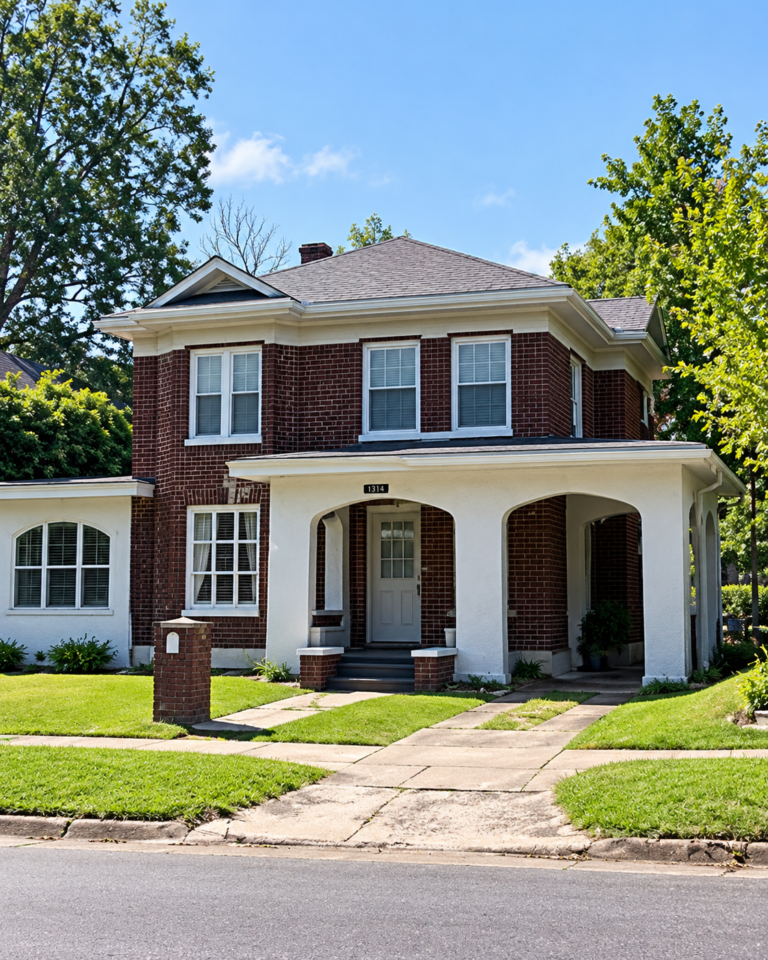
Major Rehabilitation Opportunity in Helena, Arkansas: 3,198-Square-Foot Property With Four Bedrooms and Three Bathrooms
A substantial rehabilitation project in Helena, Arkansas, offers a large residential footprint for buyers, investors, contractors, and experienced renovators looking for a property with significant upside potential. With approximately 3,198 square feet of interior space, four bedrooms, three bathrooms, a basement, fireplace, two parking spaces, and a 7,840-square-foot lot, the property has the size and basic framework of a substantial residence.
However, this is not a move-in-ready home.
The listing specifically states that the property requires substantial rehabilitation/remodeling and is not livable in its current condition. That distinction is critical. This opportunity should be evaluated as a major renovation or redevelopment project rather than as a conventional residential purchase.
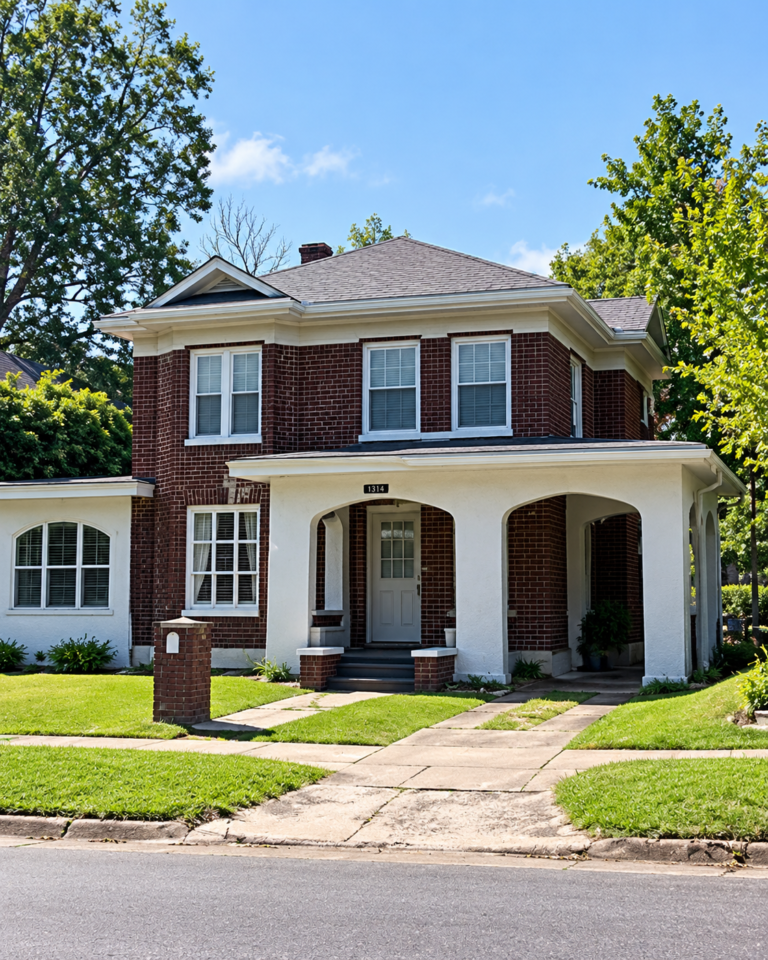
The property was built in 2019, according to the supplied listing information, and features masonry construction with stone, stucco, wood products, and brick exterior elements. It also has a pier foundation, asphalt roof, unfinished basement, wall heating, and a fireplace.
For an experienced buyer, the combination of a relatively large interior footprint and a comparatively modest lot could make this an intriguing project. But the economics depend heavily on the actual condition of the structure and the cost required to make the property safe, functional, code-compliant, and suitable for occupancy.
Property Overview
The property is located in the Helena area of Arkansas and offers approximately 3,198 square feet of interior space.
The residence has a four-bedroom, three-bathroom configuration consisting of two full bathrooms and one half bathroom.
The lot measures approximately 7,840 square feet, or roughly 0.18 acres.
While the property does not offer several acres of land, its relatively substantial building footprint makes the structure itself the primary focus of the opportunity.
Key Property Facts
- Location: Helena, Arkansas
- Property type: Single-family residence
- Year built: 2019
- Interior area: Approximately 3,198 square feet
- Bedrooms: 4
- Bathrooms: 3
- Full bathrooms: 2
- Half bathroom: 1
- Lot size: Approximately 7,840 square feet
- Foundation: Piers
- Roof: Asphalt
- Construction: Masonry
- Exterior materials: Stone, stucco, wood products, and brick
- Heating: Wall heating
- Fireplace: Yes
- Basement: Unfinished
- Parking: Approximately 2 spaces
- Parcel number: 70404282000
- Tax assessed value: $8,600
- Annual property taxes: Approximately $150
- Listed on market: September 2, 2026
- Price per square foot shown in listing: Approximately $6
The very low indicated price per square foot should not be interpreted as a conventional valuation metric because the home is explicitly described as unlivable and requiring substantial rehabilitation.
This Is a Rehabilitation Project, Not a Move-In-Ready Home
The most important fact prospective buyers need to understand is that the property is not currently livable.
That means the typical home-shopping checklist is not enough.
A buyer considering this property should think in terms of construction, rehabilitation, permitting, inspections, financing, and project management.
The condition of the property may require significant work before anyone can legally and safely occupy it.
Depending on what is discovered during professional inspections, rehabilitation could potentially involve several major categories, including:
- Structural repairs
- Foundation evaluation
- Roofing work
- Electrical improvements
- Plumbing repairs
- Heating and cooling upgrades
- Water damage remediation
- Interior reconstruction
- Drywall replacement
- Flooring
- Kitchen installation or renovation
- Bathroom reconstruction
- Window and door repairs
- Insulation
- Exterior repairs
- Basement work
- Mold or moisture remediation
- Code compliance improvements
- Landscaping and exterior cleanup
The actual scope cannot be determined solely from the basic listing information.
For that reason, buyers should avoid assuming that the property only needs cosmetic remodeling.
Nearly 3,200 Square Feet Creates Significant Potential
The strongest feature of the property may be its size.
At approximately 3,198 square feet, the residence provides a substantial amount of interior space.
Four bedrooms and three bathrooms give the structure a configuration that could potentially work well for a family home once properly rehabilitated.
Large properties can also provide flexibility for buyers who need dedicated spaces for working from home, recreation, guests, storage, or multigenerational living.
For an investor, the size could potentially provide a path toward a larger finished property than many entry-level homes in the local market.
But square footage is only valuable when the underlying structure and systems can support it economically.
A 3,198-square-foot property requiring extensive reconstruction can cost significantly more to renovate than a smaller property with similar problems.
The first priority should therefore be establishing the property’s true condition.
Four-Bedroom Layout Could Appeal to Future Homeowners
The four-bedroom configuration is another positive characteristic.
Once rehabilitated, four bedrooms could make the property suitable for a wide range of households.
Families may appreciate the additional bedroom capacity, while one room could potentially serve as a home office, guest room, study, or hobby space.
Three bathrooms also provide a useful ratio for a house of this size.
However, prospective buyers should verify that the bedroom and bathroom configuration remains consistent with local records and building requirements after rehabilitation.
If previous construction or remodeling work was incomplete or unpermitted, the buyer may need to address those issues before the property can be legally occupied.
Unfinished Basement Adds Another Layer of Potential
The property includes an unfinished basement.
An unfinished basement can provide storage and mechanical space, but it may also offer future possibilities depending on ceiling height, moisture conditions, egress, foundation design, electrical service, plumbing access, and local building codes.
A buyer might eventually envision a finished recreation room, home office, storage area, workshop, or additional living space.
However, it would be unwise to count unfinished basement square footage as finished living area without confirming that it can legally and practically be converted.
Basements can also introduce additional concerns involving:
- Moisture
- Drainage
- Waterproofing
- Foundation movement
- Mold
- Ventilation
- Electrical safety
- Egress
- Ceiling height
A professional inspection should determine whether the basement is dry and structurally sound before any finishing plans are developed.
Pier Foundation Requires Professional Evaluation
The property is listed with a pier foundation.
A pier foundation is not inherently defective, but its condition is particularly important in a property already described as requiring substantial rehabilitation.
Buyers should have a qualified foundation or structural professional inspect the piers, supports, framing connections, signs of settlement, drainage, and surrounding soil conditions.
Potential issues could include movement, deterioration, inadequate support, moisture exposure, or problems created by unfinished construction or deferred maintenance.
Foundation work can become one of the most expensive parts of a major rehabilitation project, so it should be investigated before a buyer establishes a renovation budget.
Exterior Construction Includes Masonry, Brick, Stone and Stucco
The property has a mixture of exterior materials, including masonry, stone, stucco, wood products, and brick.
These materials can create a distinctive architectural appearance when properly maintained.
They also require different inspection and maintenance approaches.
Brick and masonry should be examined for cracking, movement, moisture penetration, deteriorated mortar, and other signs of distress.
Stucco should be checked for cracking, water intrusion, improper drainage, and areas where moisture may be trapped behind the exterior surface.
Wood components should be examined for rot, insect activity, deterioration, and moisture damage.
Because the house is described as requiring substantial rehabilitation, buyers should not assume that the exterior materials are in satisfactory condition simply because they are durable construction materials.
Asphalt Roof Should Be Inspected Before Renovation
The roof is listed as an asphalt roof.
A roof inspection should be one of the earliest steps in evaluating this property.
The buyer should determine:
- Approximate roof age
- Remaining useful life
- Missing or damaged shingles
- Flashing condition
- Roof decking condition
- Signs of leaks
- Attic ventilation
- Water stains
- Structural issues
- Drainage around the building
If the roof requires replacement, that expense should be incorporated into the rehabilitation budget before other cosmetic projects begin.
Water entering through a compromised roof can also damage ceilings, insulation, walls, electrical components, and flooring.
Fireplace Adds Character but Needs Inspection
The property includes a fireplace.
A fireplace can be an attractive architectural feature, particularly after rehabilitation.
However, buyers should have the fireplace and chimney or venting system inspected before use.
Depending on the design and condition, professional cleaning, repairs, liner work, masonry restoration, or other improvements may be required.
A fireplace should not be treated simply as a decorative feature until its condition and safety have been verified.
Heating and Mechanical Systems Need Careful Review
The listing identifies wall heating.
Because the property is currently unlivable, buyers should determine exactly what heating equipment exists, whether it is operational, how old it is, and whether it meets current safety requirements.
The condition of the electrical system should also be examined carefully.
A property that requires major rehabilitation may need upgrades to electrical service, wiring, outlets, switches, panels, and other components.
Plumbing should receive similar attention.
Buyers should determine whether water lines, drains, fixtures, and sewer connections are functional and whether any pipes have deteriorated or been damaged.
Why the Local Helena-West Helena Market Matters
The property’s investment potential cannot be evaluated without considering the local market.
Recent data for Helena-West Helena shows a market with relatively low overall pricing but substantial variation between individual properties.
Zillow reported a typical Helena-West Helena home value of approximately $39,459 as of July 31, 2026, with a 3.7% decline over the previous year. Zillow also reported a median list price of approximately $174,167.
Other sources provide different figures.
Realtor.com reported a $85,000 median listing price for Helena-West Helena in June 2026, with approximately 50 active listings and a median of 85 days on market. Its data also placed the city’s listing price at about $55 per square foot.
Redfin reported a median sale price of approximately $168,000 for the three months ending July 2026, while noting that the market was not particularly competitive and homes were taking roughly 120 days to go pending.
These differences demonstrate why buyers should not use a single citywide number to determine the potential value of a heavily distressed property.
The Finished Value Is More Important Than the Current Price
For a rehabilitation project, the most important financial calculation is not simply:
Purchase price = value.
Instead, an investor should consider the entire project.
A basic framework could include:
Purchase price + closing costs + rehabilitation + permits + financing + insurance + taxes + holding costs + contingency = total project cost
That total should then be compared with realistic values for comparable completed homes.
For example, if a property requires $100,000 or more in rehabilitation, a low acquisition price can quickly become less attractive.
Conversely, if the building can be restored efficiently and the completed property has strong market demand, there may be an opportunity.
The numbers need to be verified rather than assumed.
Potential Strategy for an Experienced Investor
An experienced investor could potentially consider several strategies.
1. Full Residential Rehabilitation
The most straightforward approach would be to restore the property into a conventional four-bedroom residence.
That could involve repairing the structure, replacing damaged components, installing modern systems, completing interior finishes, and creating a safe, code-compliant home.
This strategy could appeal to an investor targeting resale or long-term ownership.
2. Owner-Occupant Renovation
A buyer who has construction experience or access to reliable contractors may consider completing the rehabilitation for personal use.
The advantage would be the ability to customize the home around the owner’s needs.
A large four-bedroom, three-bathroom property could provide substantial space after rehabilitation.
However, the buyer would need enough capital and time to manage what could be a significant construction project.
3. Long-Term Rental Property
Another possibility could be a long-term rental after rehabilitation.
The four-bedroom layout may provide appeal to larger households, but projected rental income should be based on actual comparable rental properties rather than broad assumptions.
Current rental data for Helena-West Helena is limited, making local verification especially important. Realtor.com reported only one rental listing in its June 2026 market snapshot.
That limited data means an investor should conduct direct rental research before relying on projected income.
4. Resale After Renovation
A fix-and-hold or fix-and-sell strategy may also be considered.
The key question is whether the finished property could achieve a value high enough to justify the acquisition and rehabilitation costs.
Comparable sales should be similar in:
- Size
- Bedroom count
- Bathroom count
- Neighborhood
- Lot size
- Construction type
- Condition
- Age
- Renovation quality
Citywide averages are not sufficient for calculating an accurate resale projection.
Why the Property’s 2019 Construction Date Is Interesting
The listing identifies the home as having been built in 2019.
That is relatively recent compared with many rehabilitation properties.
If the construction date and building records are confirmed, buyers may want to investigate why a relatively new property has reached a condition where it is described as requiring substantial rehabilitation and being unlivable.
That question is particularly important.
A newer structure requiring extensive work could indicate unusual circumstances involving unfinished construction, deferred maintenance, water intrusion, vandalism, mechanical problems, structural concerns, or other issues.
The buyer should investigate the property’s history carefully.
Potential questions include:
- Was the home ever fully completed?
- Was a certificate of occupancy issued?
- Were all original permits finalized?
- What caused the current condition?
- Has the property experienced water damage?
- Has it been vacant?
- Have systems been removed or damaged?
- Are there outstanding code violations?
- Are there liens or assessments?
- Has insurance previously been involved?
- Are there unfinished construction projects?
These questions could materially affect the renovation budget.
The Lot Provides a Manageable Residential Footprint
The lot is approximately 7,840 square feet.
That is considerably smaller than many rural investment properties, but it is a practical residential parcel size.
The lot may provide enough room for normal residential landscaping, outdoor living, parking, and yard space depending on its exact configuration.
Buyers considering additions, accessory structures, additional parking, or other improvements should verify setbacks and zoning regulations before making plans.
The parcel number listed for the property is 70404282000.
As always, buyers should independently confirm parcel boundaries and legal descriptions through official records.
Property Taxes Are Relatively Low
The supplied listing information shows a tax assessed value of $8,600 and annual property taxes of approximately $150.
Those figures may appear attractive from a carrying-cost perspective.
However, buyers should verify current taxes, assessments, exemptions, delinquent amounts, and any outstanding municipal obligations before closing.
A low historical tax bill should not automatically be used to estimate future property taxes after rehabilitation.
Assessment practices can change, and buyers should confirm the current tax status with the relevant authority.
What Should Buyers Investigate First?
For a property described as unlivable, the inspection process should be highly structured.
Structural condition
Start with the foundation, piers, framing, floors, walls, roof structure, and signs of movement.
Water intrusion
Look for evidence of leaks, flooding, poor drainage, basement moisture, or long-term water damage.
Electrical system
Determine whether the electrical system is complete, safe, operational, and suitable for the finished property.
Plumbing
Inspect supply lines, drains, fixtures, water heater, and sewer connection.
Heating
Determine the condition and safety of the wall heating system.
Roof
Establish whether the roof can be repaired or requires replacement.
Exterior
Inspect brick, masonry, stucco, stone, and wood components.
Basement
Evaluate moisture, structural condition, drainage, ventilation, and potential finishing requirements.
Fire and safety
Confirm smoke detectors, electrical safety, exits, stairs, railings, and other required safety features.
Financing a Major Rehabilitation Project
Traditional mortgage financing can be more complicated when a home is uninhabitable.
A buyer should discuss financing options with lenders before assuming that a conventional mortgage will be available.
Depending on the circumstances, specialized renovation financing or other funding structures may be worth investigating.
Cash buyers may have greater flexibility, but they still need to calculate the full renovation cost.
A buyer should maintain a contingency reserve because major rehabilitation projects frequently uncover additional issues after demolition begins.
The Biggest Risk: Underestimating Renovation Costs
The primary risk with this property is not necessarily the asking price.
It is underestimating the amount of work required.
A property can look manageable from the outside while hiding substantial problems behind walls, floors, ceilings, or mechanical systems.
A $20,000 repair can become a $40,000 repair once demolition exposes additional damage.
That is why experienced investors commonly include contingency funds in rehabilitation budgets.
For a property explicitly described as not livable, buyers should be particularly conservative.
Who Might Be Interested in This Property?
This opportunity is likely to appeal most to buyers with experience in construction or property rehabilitation.
Potential buyer profiles include:
- Experienced real estate investors
- General contractors
- Residential developers
- Renovation specialists
- Buyers seeking a large project
- Cash investors
- Owner-occupants with substantial renovation experience
- Buyers pursuing a long-term restoration strategy
It may be less suitable for someone seeking an immediate residence.
The property should be viewed as a project requiring planning, capital, professional advice, and patience.
Final Thoughts on This Helena Rehabilitation Opportunity
This Helena, Arkansas property represents a major residential rehabilitation opportunity rather than a conventional home purchase.
With approximately 3,198 square feet, four bedrooms, three bathrooms, an unfinished basement, a fireplace, two parking spaces, and a 7,840-square-foot lot, the structure offers a substantial foundation for a future residential project.
The property is particularly interesting because the listing identifies a 2019 construction date, yet also states that the home requires substantial rehabilitation and is currently not livable. That unusual combination makes careful investigation of the property’s history and condition especially important.
The market itself also requires a cautious approach. Helena-West Helena has relatively modest home values compared with many U.S. markets, while current market statistics vary considerably among major real estate platforms. Zillow reported a typical home value of $39,459 in July 2026, while Realtor.com reported an $85,000 median listing price in June and Redfin reported a $168,000 median sale price for its most recent three-month period.
Those differences reinforce one central point: the value of this property after rehabilitation should be determined through carefully selected local comparable sales, not through a simple citywide average.
Before making an offer, prospective buyers should obtain professional inspections and construction estimates, verify zoning and occupancy requirements, confirm the property’s legal and tax status, investigate the foundation and roof, assess electrical and plumbing systems, and establish a realistic renovation contingency.
The most important calculation is the total project cost, not simply the purchase price.
If the structure can be rehabilitated efficiently and the completed property supports a sufficient market value, the large interior footprint could make this an interesting opportunity for an experienced buyer. If major structural, mechanical, or code-related issues are discovered, however, the project could require considerably more capital than initially anticipated.
Ultimately, this property is best suited to someone who sees the potential in a substantial renovation and has the resources to complete it properly. The 3,198-square-foot footprint, four-bedroom layout, three bathrooms, basement, fireplace, masonry construction, and manageable residential lot provide a foundation for a future home—but turning that potential into a finished property will require careful due diligence, realistic budgeting, and professional oversight.
All property details should be independently verified with the listing representative, local authorities, inspectors, contractors, title professionals, and other appropriate sources before purchase. Market statistics are provided for general context and should not be interpreted as an appraisal or investment guarantee.
From Zillow