Affordable Homes
Fire-Damaged Brick Multifamily Property in St. Louis Listed at $10,000
$10,000 6 beds 2 baths 6,144 sqft

Fire-Damaged Brick Multifamily Property in St. Louis Listed at $10,000
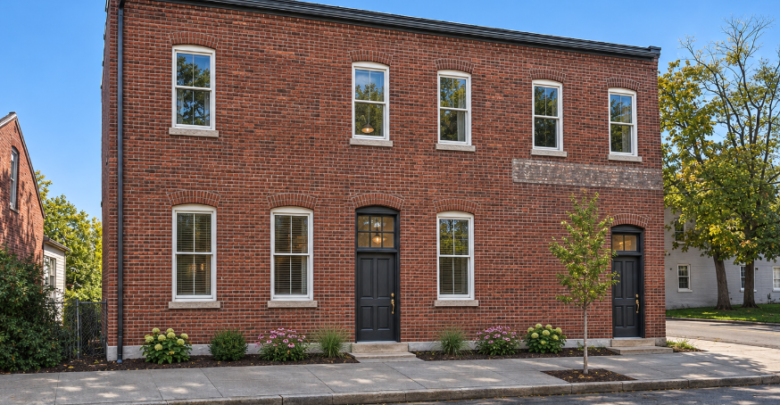
A substantial brick building, a sizable lot, and an advertised asking price of $10,000 distinguish the listing for 7726 Minnesota Avenue in Saint Louis, Missouri. However, the property’s condition is the most important part of the offering.
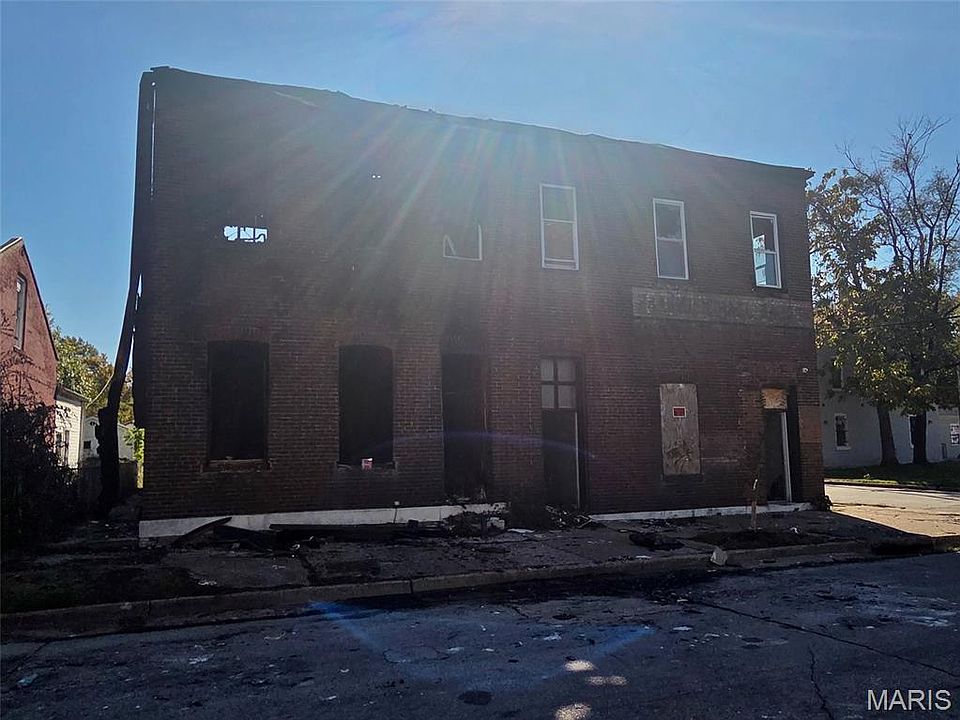
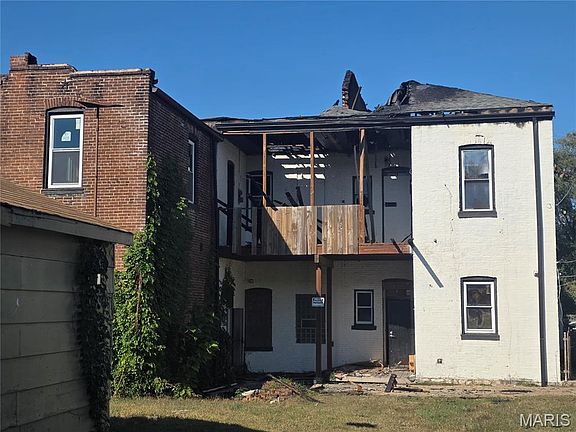
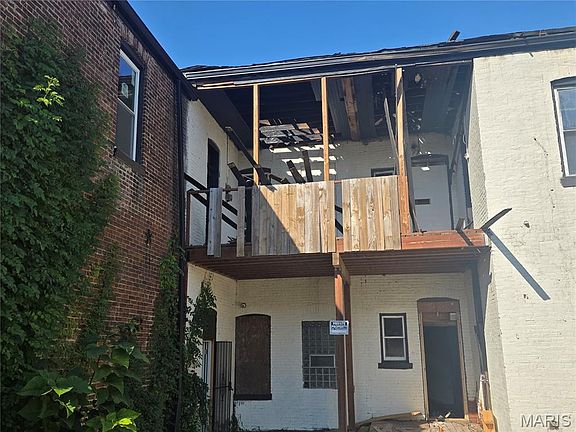
According to the supplied listing, this approximately 6,144-square-foot, four-family building experienced a substantial fire and is not considered safe to enter. It has been boarded, and the listing explicitly instructs interested parties not to attempt entry.
This is therefore a severely damaged property requiring careful evaluation through authorized channels. It should not be approached as an ordinary residential purchase, a ready-to-rent building, or a straightforward cosmetic renovation.
The listing identifies a brick structure dating to 1890, a 6,851-square-foot lot, and a garage that reportedly remains intact. For buyers experienced in evaluating extensively damaged properties, those details provide a starting point for further inquiries.
The No-Entry Warning Comes First
The listing’s instruction is clear: do not attempt to enter the building. Its boarded condition should be understood alongside the statement that the structure is unsafe for entry.
That warning changes how prospective buyers should approach the property. An ordinary interior walkthrough is not an appropriate next step.
Instead, questions about condition, available documentation, and any authorized assessment process should be directed to the listing representative. Buyers should not remove boards, bypass barriers, or assume that an open entrance would make access permissible.
The property’s size and low advertised price may attract attention, but neither changes the restriction. Any further evaluation needs to respect the condition described in the listing and the arrangements established by the responsible parties.
What the $10,000 Listing Actually Offers
The advertised price is $10,000, but that figure needs to be read in context. The listing concerns a building that has sustained substantial fire damage and cannot be treated as usable housing.
The purchase price does not establish the cost of addressing the damage, the feasibility of retaining the structure, or the future uses available for the site.
Those questions remain open in the supplied information. A prospective buyer would need reliable answers before developing a meaningful project plan.
Consequently, this offering is best understood as a damaged-property inquiry rather than a conventional home-shopping opportunity. The central issue is what exists, what documentation is available, and what options can actually be confirmed.
A Brick Building Dating to 1890
The property is listed as having been built in 1890, giving it a long history within Saint Louis. Its architectural style is identified as traditional, and brick is listed as the construction material.
These details help describe the building’s identity, but they do not establish its current structural condition. In particular, the brick exterior should not be interpreted as evidence that the building is safe following the fire.
The supplied information does not identify specific historic interior features or state which elements survived. Buyers should therefore avoid assuming that original woodwork, decorative details, or other period materials remain.
For anyone interested in older buildings, the construction date may be significant. However, decisions about preservation or reuse must begin with confirmed information about the existing structure.
Understanding the Four-Family Description
The written listing describes the property as a brick four-family building, while the property classification identifies it as multifamily.
That description is relevant to its recorded residential identity. However, it does not establish that four usable or rentable dwellings currently exist.
Following the substantial fire, the condition and configuration of any former units remain unconfirmed in the supplied information. There are no individual floor plans, unit measurements, or current occupancy details.
A buyer should therefore distinguish the building’s listed classification from its present usability. Questions about recognized unit configuration and any future residential use should be raised through the appropriate property records and authorized representatives.
Until those details are established, the four-family description is background information rather than a basis for projecting occupancy or rental income.
Six Bedrooms and Two Bathrooms Are Listed
The structured listing reports six bedrooms and two bathrooms. These figures should be read carefully because they do not explain how the rooms were distributed across the four-family building.
More importantly, the fire damage means that the bedroom and bathroom counts should not be interpreted as confirmation of functioning residential spaces.
The supplied description does not establish the condition of individual rooms, fixtures, or utilities. Nor does it provide enough information to reconstruct the previous layout accurately.
For that reason, it would be misleading to describe the property as offering six usable bedrooms or two operational bathrooms today.
The counts remain useful as listing data, but they need to be separated from any claim about what a buyer could currently occupy or use.
Approximately 6,144 Square Feet of Recorded Building Area
The reported 6,144 square feet indicates a substantial building. The listing records that area above ground and also labels it as interior living space.
However, the unsafe condition described in the same listing takes priority when interpreting that figure. It should not be presented as 6,144 square feet of currently habitable accommodation.
Instead, the number provides an indication of the recorded scale of the structure. That scale may be relevant when reviewing available plans, records, or assessments.
A large building can also involve a complex project, but the supplied information does not establish the scope of work or its cost. Those matters cannot be calculated reliably from square footage alone.
A 6,851-Square-Foot Lot
The property details identify a 6,851-square-foot lot, while the written description highlights the lot as large.
This gives prospective buyers a specific parcel-size figure to investigate. However, the amount of open ground, exact boundaries, and relationship between the main building and garage are not fully described.
Those details matter when considering the property as a whole. The building’s footprint and the location of other features will influence how the site is arranged.
Before attaching a particular use to the land, buyers should confirm the parcel information and any relevant requirements. The listing does not establish that expansion, subdivision, or a particular redevelopment plan would be possible.
The land is an important part of the offering, but its practical potential remains a subject for further investigation.
A Garage Reportedly Remains Intact
The owner-facing description states that a garage remains intact. The parking information also identifies one garage space and a parking pad.
This is a notable detail because it distinguishes the reported condition of the garage from that of the fire-damaged main building. However, “intact” should not be treated as an independent confirmation of safety or suitability for use.
The supplied information does not provide the garage’s dimensions, systems, or a separate condition assessment. Prospective buyers can ask what documentation is available and how its condition has been established.
Likewise, the parking pad’s layout and accessibility should be clarified through authorized information.
These features may be relevant to evaluating the site, but their usefulness cannot be assumed from the brief description alone.
Existing System Fields Need Careful Interpretation
Central air conditioning appears in the structured feature list. However, nothing in the supplied description confirms that cooling equipment remains operational after the fire.
The same caution applies to any assumptions about electrical service, plumbing, heating, or other building systems. Their current condition is not established.
A feature field may describe equipment associated with the property without explaining its status following major damage. Therefore, it should not be converted into a claim that the building currently provides that service.
For a realistic assessment, buyers need information specific to the post-fire condition. Available reports, records, and statements from authorized sources will be more useful than relying on individual feature labels.
An Unfinished Basement Is Recorded
The listing identifies an unfinished basement. No detailed description of its layout or current condition is provided.
Because the building is unsafe for entry, the basement should not be approached as an accessible storage area or a space available for informal inspection.
Its presence is part of the recorded building information, but its relationship to the fire damage remains unclear. Questions about it should be included in requests for available condition documentation.
Similarly, the unfinished designation does not establish that it could be converted into additional usable space.
Keeping those distinctions clear helps avoid overstating the property’s features. What is recorded about a building and what can safely be used are separate considerations.
Location Within the Carondelet Add Subdivision
The property is located in Saint Louis, with the subdivision identified as Carondelet Add.
This gives buyers a geographical starting point for reviewing the surrounding area and property records. However, the supplied information does not provide verified commute times, nearby services, or neighborhood market comparisons.
Those details should be researched separately if they are important to the buyer’s plans.
For a property in this condition, location is only one part of the assessment. Even an appealing setting would not answer questions about the building’s damage, possible future use, or the work involved.
A useful evaluation connects the address and parcel to the actual condition rather than relying on general impressions of the surrounding area.
Real Estate Owned Status and Purchase Terms
The listing identifies the property’s special condition as Real Estate Owned. It also lists cash and conventional among the purchase terms.
These entries provide information about how the offering is presented, but they do not establish that any particular purchase arrangement will be available to an individual buyer.
Current terms, required documentation, and any property-specific conditions should be confirmed directly with the listing representative.
The supplied information does not include a complete transaction package or explain all conditions attached to the sale. Buyers should therefore avoid assuming that the advertised price is the only relevant term.
Understanding the offering requires both property information and a clear account of the current sale arrangements.
Annual Property Taxes and Other Unknown Costs
The supplied listing reports annual property taxes of $1,981. That figure should be confirmed through current records when evaluating the offering.
However, the reported taxes and asking price do not provide a complete picture of ownership or project costs.
No reliable repair estimate, redevelopment budget, or timeline is supplied. The listing also does not establish which professional assessments or other steps would be required for a proposed plan.
Consequently, it would be premature to describe the property as an inexpensive completed project or calculate a potential return.
The appropriate starting point is to gather the information necessary to understand the actual undertaking. Only then can a buyer assess whether the property fits their resources and objectives.
Questions Worth Asking the Listing Representative
The most useful inquiries focus on confirmed information rather than assumptions about what the building might become.
Prospective buyers can ask what post-fire reports, photographs, official notices, or other condition records are available. It is also important to clarify the current restrictions and the process for any authorized professional assessment.
Questions about recognized unit configuration, parcel details, and the garage can help explain the site more fully.
If a buyer has a particular future use in mind, that proposal needs its own investigation. The listing alone does not establish whether restoring the building, changing its use, or pursuing another plan is feasible.
Clear answers will help distinguish possibilities from conclusions supported by evidence.
A Property Requiring an Evidence-Based Decision
At 7726 Minnesota Avenue, the key facts are the advertised $10,000 price, the recorded 6,144-square-foot brick multifamily building, and the substantial fire damage.
The 6,851-square-foot lot, reported garage, and 1890 construction date add context. However, the most important instruction remains unchanged: the building is unsafe for entry, has been boarded, and must not be entered.
For buyers experienced with severely damaged properties, the listing may warrant further inquiries through the authorized representative. Its suitability will depend on verified condition information, current sale terms, and a realistic understanding of the options available.
This is an offering to investigate carefully through records and authorized channels, with every future plan grounded in what can actually be confirmed.


From Zillow