Uncategorized
Sally Field: The Hollywood Star Whose Extraordinary Career Continues to Inspire Generations

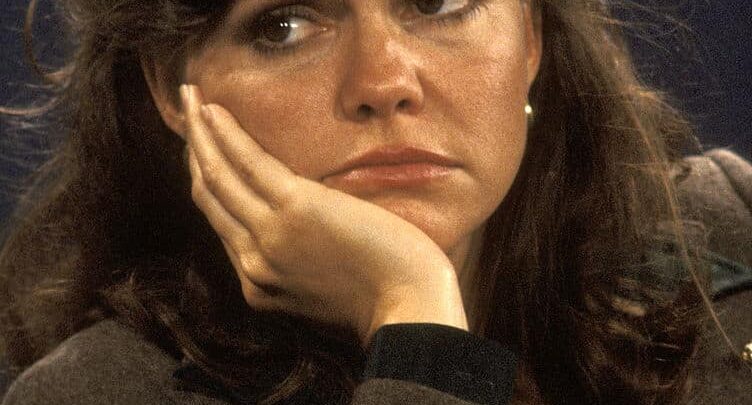
For more than five decades, Sally Field has been one of the most recognizable and respected faces in American entertainment. From cheerful television comedies in the 1960s to some of the most emotionally powerful performances in modern American cinema, Field has built a career defined by determination, reinvention, and an extraordinary ability to make audiences believe in the people she portrays.
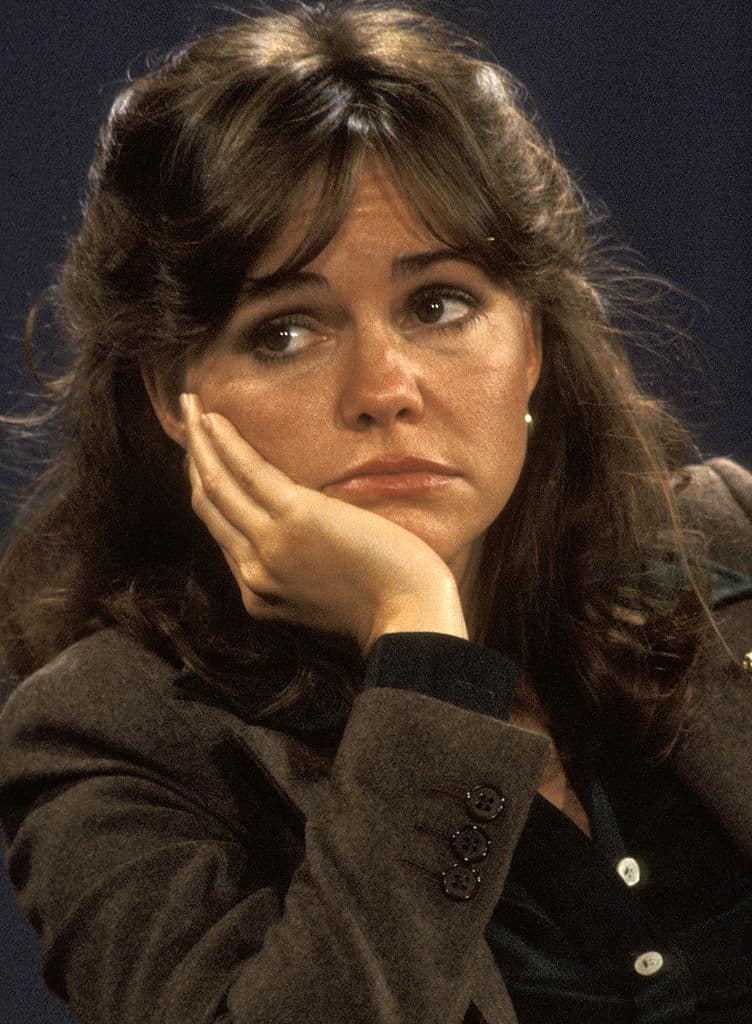
Born on November 6, 1946, in Pasadena, California, Field grew up close to the entertainment industry. Her mother, actress Margaret Field, worked in television during an era when Hollywood was rapidly expanding into American homes. That environment gave Sally an early glimpse into show business, but her eventual success was far from guaranteed.
What makes Field’s career especially remarkable is not simply the number of years she has worked. It is the transformation she achieved along the way.
She began as a young television actress associated with lighthearted characters. Eventually, she became an Academy Award-winning dramatic performer, an Emmy-winning actress, a director, and one of Hollywood’s most enduring talents.
Her story is one of persistence—and of refusing to let an early image define an entire career.
From Pasadena to Television Stardom
Sally Field entered professional acting at a time when television was becoming one of the most influential forms of entertainment in America.
Her first major breakthrough came with the 1965 television series Gidget. Based on the popular character of a teenage surfer, the show presented Field as a bright and energetic young actress with an immediately appealing screen presence.
Although Gidget lasted only one season, it gave Field something extremely valuable: national exposure.
Viewers quickly became familiar with her personality, and the young actress gained the kind of recognition that could have easily locked her into a particular type of role.
Instead, Field eventually decided that she wanted more.
Her next major television success came with The Flying Nun, which premiered in 1967. Field played Sister Bertrille, a young novice whose unusual ability to fly became the central joke of the series.
The premise was deliberately whimsical, and the show became one of the memorable television comedies of its era.
For Field, however, the experience represented only one stage of a much larger journey.
She was becoming famous, but she also understood that being famous and being taken seriously as an actress were not necessarily the same thing.
The Decision That Changed Her Career
During the early years of her career, Field was often associated with wholesome, comedic television roles.
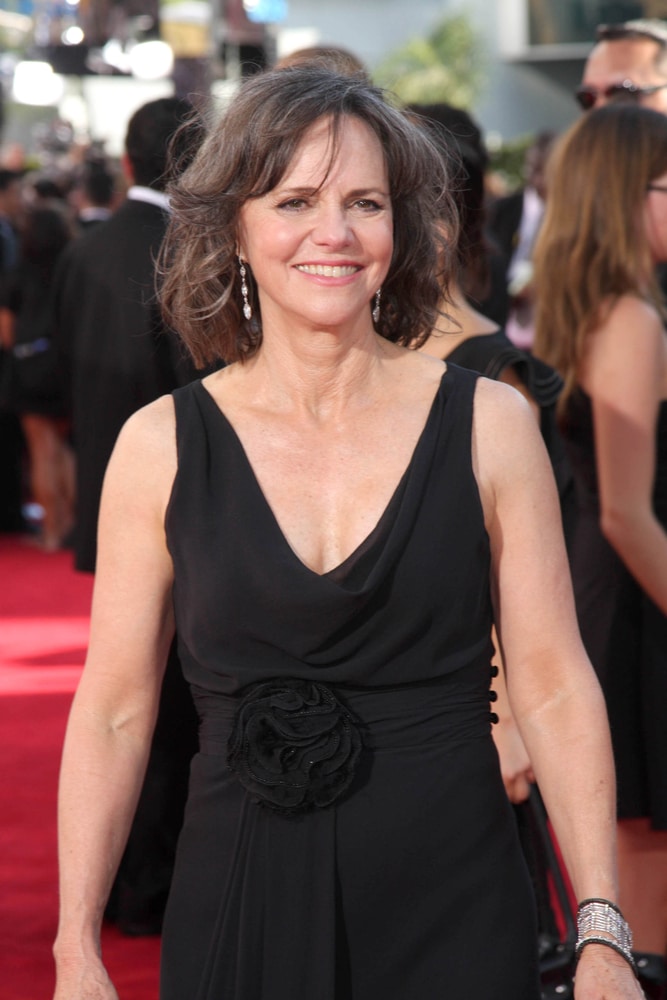
That public image could have become a permanent limitation.
Instead, she made a deliberate effort to change direction.
Field studied acting with Lee Strasberg and began pursuing roles that demanded greater emotional complexity. The decision required patience because changing an established image is rarely easy, particularly for an actress who has become strongly identified with television comedy.
Then came Sybil in 1976.
The television film presented Field with a dramatically demanding character and gave her the opportunity to demonstrate a side of her abilities that many viewers had not previously seen.
Her performance received significant critical attention and became an important turning point.
Suddenly, the actress audiences remembered from lighthearted television was being discussed as a serious dramatic performer.
The transformation did not happen overnight. It was the result of years of work, preparation, and a willingness to take risks.
That willingness would become one of the defining characteristics of Field’s career.
“Norma Rae” Changed Everything
In 1979, Field reached another major milestone when she starred in Norma Rae.
The film told the story of Norma Rae Webster, a textile worker whose involvement in a labor union movement places her in a difficult struggle involving workplace conditions, economic pressures, and personal courage.
Field approached the character with a mixture of strength and vulnerability.
Rather than portraying Norma Rae as an uncomplicated hero, she gave the character emotional depth. She was a woman with fears, responsibilities, and limitations who nevertheless found the courage to stand up for something she believed was important.
The performance resonated with critics and audiences.
Field won the Academy Award for Best Actress, officially establishing herself among Hollywood’s leading dramatic performers.
The Oscar was more than an individual award. It represented the culmination of her decision to move beyond the image created during her early television years.
Hollywood had begun to see Sally Field differently.
So had audiences.
Another Oscar and an Unforgettable Speech
Field’s success continued into the 1980s.
In 1984, she starred in Places in the Heart, portraying Edna Spalding, a widow attempting to protect her family and maintain her farm during the difficult years of the Great Depression.
The role required restraint as well as emotional power.
Edna is not simply fighting one dramatic battle. She is trying to keep her family together while facing financial hardship and uncertainty.
Field’s performance earned her a second Academy Award for Best Actress.
Her acceptance speech became one of the most recognizable Oscar moments of the era, particularly because of her emotional declaration about being appreciated.
The moment was frequently referenced and parodied afterward, but behind the famous line was something much more meaningful: an actress who had worked hard to redefine herself and had finally received one of the industry’s highest honors.
Sally Field in “Steel Magnolias”
Field continued demonstrating her range throughout the late 1980s and beyond.
One of her most beloved performances came in the 1989 film Steel Magnolias.
As M’Lynn Eatenton, Field portrayed a mother dealing with an intensely emotional family situation involving her daughter’s health.
The movie combined humor, friendship, family relationships, and grief, allowing Field to explore several emotional dimensions within the same character.
Her performance became especially memorable because she did not try to make M’Lynn perfect.
She portrayed a mother who loves deeply, worries intensely, becomes overwhelmed, and struggles to understand how to deal with circumstances beyond her control.
That emotional honesty is one reason the performance continues to resonate with viewers.
Field has repeatedly demonstrated that some of the strongest performances come not from exaggerated emotion, but from making complicated feelings appear completely natural.
A Powerful Presence on Television
Although Field became a major film star, she never abandoned television.
Her television work remained an important part of her career, and she later appeared in projects that allowed her to explore dramatically different characters.
Her work on ER earned her a Primetime Emmy Award for Outstanding Guest Actress, adding another major television honor to an already impressive résumé.
The recognition was significant because guest appearances often require actors to establish a believable character within a limited amount of screen time.
Field was able to create that emotional connection quickly.
Her television career also demonstrated how comfortable she was moving between different formats.
Whether appearing in a sitcom, television drama, feature film, or historical production, she consistently approached her characters with the same commitment.
Behind the Camera
Field’s interest in storytelling extended beyond acting.
In 1996, she directed the television film The Christmas Tree, taking on the challenge of guiding a production from behind the camera.
Directing provided another opportunity to explore storytelling from a different perspective.
For an actress who had already spent decades studying performances and working with directors, stepping behind the camera offered a natural extension of her creative interests.
It also reinforced an important part of Field’s career: she has never been content simply to repeat what worked before.
Returning to the Big Screen in “Lincoln”
Decades after becoming a television star, Field continued taking on important film roles.
One of the most notable came in Steven Spielberg’s 2012 historical drama Lincoln.
The film starred Daniel Day-Lewis as President Abraham Lincoln, while Field portrayed Mary Todd Lincoln.
Playing a historical figure associated with one of the most difficult periods in American history required careful attention to character and emotion.
Field’s Mary Todd Lincoln was presented as intelligent, complicated, deeply emotional, and affected by the enormous pressures surrounding her family and the country.
Her performance received widespread critical praise and earned her an Academy Award nomination for Best Supporting Actress.
The recognition demonstrated something that had already become clear throughout her career: Field’s ability to remain relevant and compelling across different generations of filmmaking.
More Than an Actress
Sally Field’s influence has never been limited entirely to entertainment.
Over the years, she has spoken publicly about issues that matter to her and has supported causes involving equality, healthcare, women’s rights, and LGBTQ+ rights.
Her advocacy has often been connected to her own family experiences.
Field has been open about supporting her son Sam Greisman, who is openly gay, and her public expressions of love and acceptance have resonated with many people.
For admirers, those moments have added another dimension to her public image.
The actress who spent decades portraying mothers, daughters, workers, wives, and women confronting difficult circumstances has also used her public platform to speak about compassion and acceptance beyond the screen.
Why Sally Field’s Performances Feel So Real
There are many award-winning actors in Hollywood, but Field has developed a particularly strong connection with audiences.
One reason is authenticity.
Her characters often feel like real people rather than distant movie personalities.
They can be funny without being perfect.
They can be frightened while still showing courage.
They can become angry, hopeful, exhausted, determined, or vulnerable within the same story.
That emotional flexibility has allowed Field to remain effective across genres.
She can handle comedy, drama, historical stories, family films, television productions, and deeply emotional material without losing the sense of humanity that defines her performances.
A Career Built on Reinvention
Perhaps the most important lesson from Field’s career is the value of reinvention.
When she began, few people could have predicted the path ahead.
She was a young actress known primarily for television comedies.
Yet she eventually became a two-time Academy Award winner and one of the most respected actresses of her generation.
The transition required her to challenge the expectations surrounding her.
Instead of accepting the roles that audiences already associated with her, she searched for opportunities that demanded something different.
That decision changed the course of her professional life.
It is also why her career continues to serve as an example for younger performers.
Talent matters, but Field’s journey demonstrates that persistence, preparation, and the courage to start a new chapter can matter just as much.
The Roles That Connected With Generations
Different generations may know Sally Field for completely different reasons.
Some remember her from Gidget.
Others immediately think of Sister Bertrille from The Flying Nun.
Film audiences may remember Norma Rae, Edna Spalding, M’Lynn Eatenton, or Mary Todd Lincoln.
Television viewers may remember her dramatic appearances and award-winning performances.
That variety is part of her legacy.
Few performers can claim to have remained recognizable while simultaneously changing so dramatically over the course of a career.
Field’s work has accompanied audiences through different eras of American entertainment.
She began during the golden age of network television and continued working as Hollywood entered entirely new generations of filmmaking.
A Legacy That Goes Beyond Awards
Awards provide useful markers for a career, but they do not fully explain why an actor becomes beloved.
Field’s legacy is larger than her two Academy Awards, her Emmy, or her other professional honors.
It is found in the characters people remember.
It is in the mother from Steel Magnolias whose emotional struggle remains powerful decades later.
It is in Norma Rae raising a handmade sign in a moment that became part of American film history.
It is in Edna Spalding fighting to preserve a family during difficult economic times.
It is in Mary Todd Lincoln confronting an extraordinary period of national history.
And it is in the early television characters that introduced millions of viewers to the young actress who would eventually become something much greater.
Sally Field’s Enduring Place in Hollywood
Sally Field’s story is not simply the story of a successful actress.
It is the story of someone who refused to remain trapped inside the expectations created by early success.
She could have remained associated primarily with the cheerful television roles that first made her famous.
Instead, she challenged herself, studied her craft, accepted difficult roles, and continued evolving.
That choice helped create a career spanning more than half a century.
Her work has crossed generations, genres, and formats, giving audiences countless opportunities to discover her talent.
Even today, the performances remain accessible because the emotions at their center are universal: love, family, fear, determination, disappointment, hope, and resilience.
Those themes do not become outdated.
That is why Sally Field’s work continues to matter.
An Actress Who Became Part of American Culture
Some performers become famous for a single role.
Others become associated with an entire era.
Sally Field belongs to the second group.
Her career reflects the changing nature of American entertainment itself—from classic network television to major Hollywood films, from comedy to serious drama, and from traditional acting roles to broader creative and public advocacy.
For audiences who have followed her work for decades, she represents much more than nostalgia.
She represents perseverance.
Her career is a reminder that an actor can evolve, challenge expectations, and continue discovering new possibilities long after an early image has been established.
Sally Field’s greatest achievement may therefore be the remarkable consistency behind all of her transformations.
She has continued to approach storytelling with emotional honesty.
She has continued to make audiences care about her characters.
And she has continued to demonstrate that a long career is not simply about staying in the spotlight—it is about remaining willing to grow.
That is why Sally Field remains such an important figure in American entertainment.
Her performances have made audiences laugh, cry, reflect, and remember.
And for generations of viewers, the name Sally Field will remain connected to something especially valuable in Hollywood: the ability to make extraordinary stories feel deeply human.