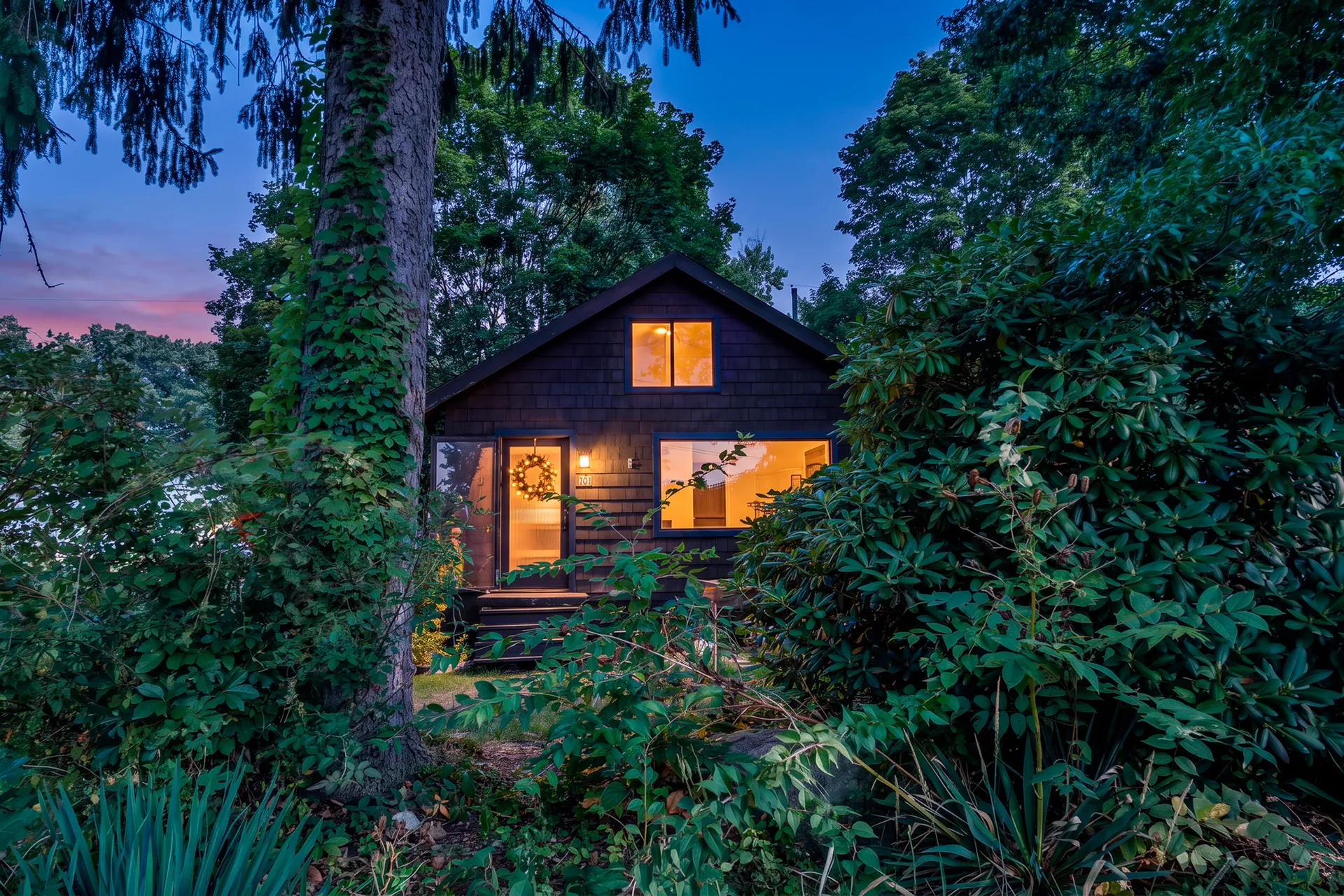
Inside a $70,000 Akron-Area Fixer-Upper: A 1933 Bungalow With Renovation and Investment Potential
Affordable homes with renovation potential can attract a very different kind of buyer than move-in-ready properties. Instead of paying for someone else’s finished vision, a buyer may have the opportunity to acquire an existing house and reshape it around a specific goal.
At 101 Radnor Ave, Akron, Ohio 44319, a $70,000 single-family property presents that kind of opportunity. Built in 1933, the two-bedroom, one-bath bungalow contains approximately 816 square feet of living space and sits on a 3,998-square-foot lot.
The listing specifically identifies the property as an opportunity for investors, contractors, rehabbers, or buyers seeking a value-add property. Potential strategies mentioned include renovation and resale, rental investment, or a long-term hold.
That makes this property less about immediate luxury and more about possibilities.
With a full basement, gas heating, public sewer, well water, gravel driveway, brick construction, and a location near the Portage Lakes area, the property offers several characteristics worth examining.
For the right buyer, the appeal may lie in what the home could become after thoughtful improvements.
A $70,000 Property With a Clear Renovation Story
The listing price immediately places 101 Radnor Ave into a segment of the market where buyers often look for value and potential rather than perfection.
At $70,000, the home offers 816 square feet of above-ground living space, translating to a listed price of approximately $86 per square foot.
But the property’s real story is not simply its current square footage.
The listing describes it as a renovation opportunity, specifically mentioning investors, contractors, rehabbers, and buyers looking to execute a value-add strategy.
That positioning opens several potential paths.
A buyer might renovate the home as a future residence. An investor could investigate its rental potential. A rehabber could evaluate whether improvements could create a more marketable finished property. Another buyer might simply want to renovate gradually and hold the property for the long term.
Each strategy would require different calculations, budgets, and due diligence.
A 1933 Bungalow With Character
The home was built in 1933 and is identified as a bungalow-style single-family residence.
That places the property in an era when smaller, practical residential designs were common. The bungalow format can be appealing to buyers who prefer a compact home with a straightforward footprint.
The property has two stories, according to the listing data, while the finished above-ground living area totals approximately 816 square feet.
Brick construction gives the exterior a substantial traditional character, while the asphalt/fiberglass roof represents another major component that should be examined as part of any renovation plan.
Because the house is nearly a century old, its age is an important part of the ownership story.
Older homes can offer character that is difficult to reproduce, but they can also require careful inspection of structural components, mechanical systems, electrical work, plumbing, windows, roofing, and other elements.
For a renovation-minded buyer, understanding those components is essential before determining the project’s scope.
Two Bedrooms and One Full Bathroom
The current layout includes two bedrooms and one full bathroom, with both bedrooms and the bathroom located on the main level.
That main-level arrangement could be convenient for a variety of occupants.
A two-bedroom configuration can work for a small household, a couple, an individual seeking an office or guest room, or a rental property designed around a smaller household.
The home’s 816-square-foot footprint also means that every room matters.
A thoughtful renovation could focus on making the existing spaces feel functional and connected rather than attempting to create a large-house experience within a compact structure.
For buyers considering a renovation, the existing floor plan provides the starting point.
The listing notes that the floor plan offers a practical foundation for improvements, with the possibility of enhancing functionality and marketability through renovation.
A Full Basement Adds Valuable Space
One feature that could be particularly important for a home of this size is the full basement.
The basement provides space below the main living area that could potentially be used for storage, mechanical equipment, a workshop, laundry-related needs, or other purposes depending on its condition and local requirements.
For a buyer renovating an 816-square-foot home, additional basement space can be useful because it allows the main floors to remain focused on living areas.
However, basement condition should be one of the first things investigated.
Older basements should be inspected for moisture, drainage, foundation movement, structural issues, electrical conditions, and other concerns.
A full basement can be a valuable feature, but its practical usefulness depends heavily on its actual condition.
Gas Heating and No Listed Cooling
The property is listed with gas heating, while no cooling system is identified in the available facts.
That means prospective buyers should pay particular attention to the condition and age of the heating equipment and consider what type of cooling solution they would want after renovation.
Depending on the property’s existing infrastructure, a future owner might evaluate different cooling options as part of a broader modernization project.
The heating and cooling systems are especially important when estimating renovation costs.
A buyer should not assume that a system is operational or adequate simply because it appears in the listing information. A professional inspection can help determine what is currently functional and what may need replacement.
A Small Lot With a Practical Footprint
The property sits on approximately 3,998 square feet of land.
That is a relatively compact residential lot, but it can still provide space for outdoor use, parking, landscaping, or other permitted improvements.
The property includes a gravel driveway, providing off-street parking access.
For a future owner, improving the exterior could be part of the overall renovation strategy.
A well-maintained entry, updated landscaping, and improvements to the driveway could potentially change the property’s first impression without requiring major changes to the structure.
Again, exact improvements would depend on the buyer’s budget and local requirements.
Public Sewer and Well Water
The listing reports an interesting combination of utilities: public sewer and well water.
This is an important detail for prospective buyers.
Anyone purchasing the property should verify the condition and operation of the well, including water quality, well equipment, capacity, and any applicable local requirements.
The public sewer connection should likewise be reviewed as part of the property’s utility due diligence.
For an older property, understanding how water and sewer infrastructure interacts with the existing plumbing can help a buyer build a more realistic renovation budget.
A Property With No HOA
The property is listed as having no homeowners association.
For some buyers, that provides greater flexibility when considering exterior improvements, landscaping, maintenance, or other permitted changes.
That does not mean every renovation is automatically permitted.
Local zoning, building codes, permits, setback requirements, and other regulations still apply.
Nevertheless, the absence of an HOA removes one layer of private-community restrictions that can sometimes affect renovation plans.
For a buyer who wants to customize the property, that may be a useful characteristic.
Near the Portage Lakes Area
One of the property’s location highlights is its proximity to the Portage Lakes area.
The listing describes the location as offering convenient access to the Portage Lakes area, recreational opportunities, local shopping and dining, and major transportation routes.
This gives the property an interesting combination of residential and recreational context.
A future occupant could potentially enjoy a quieter residential environment while remaining connected to nearby amenities and outdoor destinations.
For an investor, location is also an important component of evaluating rental potential.
However, rental demand, achievable rents, vacancy rates, operating costs, and resale values would need to be independently researched rather than assumed from proximity alone.
Why Investors May Notice This Property
The listing directly identifies investors as part of the target audience.
That is significant because the property’s current condition and price point can be approached from an investment perspective rather than solely as a residential purchase.
A buyer might investigate a renovation-and-resale strategy, a rental strategy, or a long-term hold. Those possibilities are specifically referenced in the listing description.
For a renovation-and-resale strategy, the central questions would include acquisition cost, renovation expenses, holding costs, transaction costs, and the potential resale price after improvements.
For a rental strategy, the analysis would be different.
An investor would need to estimate realistic market rent, property taxes, insurance, maintenance, vacancy, management, utilities, financing, and the cost of bringing the home to an appropriate rental standard.
None of these outcomes are guaranteed, which is why the property should be evaluated based on actual numbers rather than simply the low purchase price.
A Potential Project for Contractors and Rehabbers
Contractors and experienced rehabbers may approach the property differently.
Instead of viewing the house primarily as a finished residence, they may see an opportunity to improve the structure systematically.
The listing specifically describes the home as suitable for contractors and rehabbers.
For such a buyer, the first step would likely be understanding exactly what needs to be repaired or replaced.
That could include structural elements, roofing, mechanical systems, electrical, plumbing, interior finishes, windows, insulation, exterior maintenance, basement work, and landscaping.
A detailed inspection and contractor estimates would help distinguish between cosmetic renovation and major rehabilitation.
That distinction can dramatically change the economics of a project.
Turning a Compact Home Into a More Functional Residence
One of the advantages of renovating a smaller property is that improvements can potentially have a noticeable impact without requiring a massive amount of material or labor.
In an 816-square-foot home, relatively modest changes to lighting, flooring, paint, kitchen finishes, bathroom finishes, storage, and room organization could potentially make the property feel substantially different.
The goal would not necessarily be to make the house appear larger than it is.
Instead, a successful renovation could focus on making the existing footprint work efficiently.
Open sightlines, thoughtful storage, durable finishes, and carefully planned lighting can all contribute to a more comfortable small-home environment.
The full basement also gives the property additional functional capacity outside the primary living area.
The Potential Appeal of a Long-Term Hold
Not every renovation property has to be bought and sold immediately.
The listing also mentions a potential long-term hold strategy.
For a buyer considering this route, the focus would shift toward long-term ownership costs, neighborhood conditions, maintenance requirements, rental demand if applicable, and the property’s ability to remain useful over time.
A smaller home can sometimes appeal to buyers who prefer a lower-maintenance footprint.
The property’s two-bedroom configuration may also provide flexibility if the buyer eventually chooses to occupy the home, rent it, or sell it.
But again, a long-term investment decision should be based on independently verified financial assumptions.
Renovation Could Also Improve the Home’s Marketability
The listing describes the property as having potential to improve its functionality, marketability, and overall value through thoughtful renovation.
That concept is particularly relevant for a property where the purchase price is only the beginning of the financial equation.
Marketability can come from relatively straightforward improvements.
A refreshed kitchen can make a strong impression. A clean, modern bathroom can improve everyday functionality. Updated flooring can change the feel of an interior. Fresh paint and improved lighting can make rooms appear brighter and more inviting.
Exterior presentation matters as well.
A clean driveway, maintained landscaping, attractive entry, and well-kept brick exterior can contribute to curb appeal.
The most appropriate improvements, however, depend on the property’s existing condition and the target buyer or tenant.
The Importance of Due Diligence
The biggest mistake with a renovation property is assuming that the purchase price tells the entire story.
At $70,000, the acquisition cost may appear accessible, but the total investment could be substantially higher once repairs, permits, labor, materials, financing, insurance, taxes, and holding costs are included.
A professional inspection should therefore be considered an essential step.
Potential buyers should pay particular attention to:
- Foundation and structural condition
- Full basement and moisture
- Roof condition
- Electrical system
- Plumbing
- Well and water quality
- Public sewer connection
- Gas heating system
- Windows and exterior doors
- Brick exterior
- Interior finishes
- Potential code or permit issues
Buyers should also verify the property boundaries, zoning, permitted uses, and any applicable restrictions before undertaking major improvements.
A Property for Someone With a Vision
What makes 101 Radnor Ave interesting is that it is not being presented as a finished luxury property.
Its appeal lies in its potential.
The home has a modest footprint, an established residential structure, a full basement, a small lot, parking, and a location near the Portage Lakes area.
The listing then adds the crucial piece: renovation potential.
That creates a different kind of real-estate opportunity.
Instead of purchasing a home and accepting someone else’s renovation decisions, the buyer can potentially develop a plan based on their own objectives.
For a homeowner, that could mean creating a personalized residence.
For an investor, it could mean exploring rental or resale possibilities.
For a contractor or rehabber, it could be a project where experience and careful execution become central to the property’s future.
Final Thoughts
At $70,000, 101 Radnor Ave in Akron, Ohio, offers an example of a property where the future condition may matter more than the current presentation.
The 1933 bungalow contains approximately 816 square feet, has two bedrooms and one full bathroom, and sits on a 3,998-square-foot lot. The property also includes a full basement, gravel driveway, brick construction, gas heating, public sewer, and well water.
The listing specifically identifies investors, contractors, rehabbers, and value-oriented buyers as potential audiences, with renovation and resale, rental investment, and long-term ownership among the strategies to consider.
Its proximity to the Portage Lakes area and access to recreational opportunities, shopping, dining, and transportation routes add another dimension to the property’s appeal.
But this is ultimately a property that calls for careful analysis.
The $70,000 asking price is only one part of the equation. The condition of the structure and systems, the cost of renovation, financing, local regulations, and the buyer’s intended strategy will all influence whether the property fits a particular plan.
For someone prepared to investigate the numbers, understand the risks, and take on a renovation project, 101 Radnor Ave provides a compact starting point with several features already in place.
The house may be modest in size, but the renovation possibilities give it a much larger story.
In the world of value-add real estate, sometimes the most interesting properties are not the ones that are already finished.
They are the ones that leave room for someone to create what comes next.

From Zillow