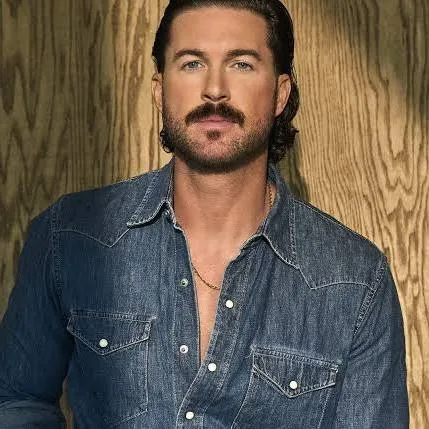
For Riley Green, songwriting has never been only about putting words and melodies together.
Much of his music is rooted in the people, places and experiences that shaped him long before he became a successful country artist. That connection to his past is especially clear in one of his songs, where two names appear alongside his own in the songwriting credits.
Those two names belong to his grandfathers.
Listed beneath the song are Riley Green, Buford Green and Lendon Bonds. Neither of Green’s grandfathers was alive when the song was written, and neither ever sat down with him in a traditional songwriting session.
Yet Green made a deliberate decision to include them.
For him, their contribution happened long before the song itself existed.
Two Grandfathers, One Musical Legacy
Buford Green and Lendon Bonds played important roles in Riley Green’s upbringing.
Buford passed away in 2010, while Lendon died in 2018. By the time Green wrote the song, both men were already gone.
That might normally mean they would have no place in a conventional list of songwriting credits.
But Green viewed the song differently.
He explained that he had his publisher add his grandfathers’ names because the song was written from the perspective of what the two men taught him while he was growing up.
In other words, their influence was part of the song before Green ever put pen to paper.
The lyrics may have been written by Riley, but the ideas behind them were shaped by lessons he received from the two men who helped raise him.
Buford Green Helped Introduce Riley to Country Music
Among the two grandfathers, Buford had a particularly important influence on Green’s musical development.
He was the person who got Riley singing.
That early exposure helped introduce Green to a side of country music that would become central to his identity as an artist.
Instead of beginning with contemporary country trends, Green grew up hearing the traditional sounds of artists such as Merle Haggard, Roy Acuff and Hank Williams.
Those names represent some of the foundational voices of classic country music.
Their music emphasized storytelling, distinctive voices and a strong connection to everyday life. For a young Riley Green, those songs were not simply old records.
They were part of his upbringing.
And much of that connection came through his grandfather.
The Traditional Side of Riley Green
Today, Green is known for maintaining a strong connection to traditional country influences while building his own career in modern country music.
That balance did not happen by accident.
The foundation was established when he was young.
Listening to artists like Hank Williams and Merle Haggard exposed Green to a style of country music built around honest stories, recognizable characters and emotional experiences.
Roy Acuff represented another important chapter in country music history, connecting Green to an earlier generation of the genre.
Those influences can still be heard in Green’s approach to songwriting and performing.
His music often draws from small-town experiences, family relationships, friendships, growing up and the lessons people carry with them into adulthood.
That storytelling tradition is part of what his grandfather helped pass down.
Why Green Added Their Names
The decision to credit Buford and Lendon was not about claiming that they literally wrote lines in the song.
It was about recognizing where the song’s perspective came from.
Green’s explanation makes the distinction important.
His grandfathers were not collaborators in the conventional sense. They did not sit around a table with him and work through verses, melodies or choruses.
Their contribution was more personal.
They helped shape the person who eventually wrote the song.
That makes the songwriting credit a tribute as much as a formal acknowledgment.
Green essentially gave his grandfathers a place in the song because he believed they deserved to be part of its story.
Music as a Family Connection
For many country artists, family history becomes part of their music.
Green’s story takes that idea a step further.
His family did not simply provide stories that could later become songs. His grandparents helped shape his musical taste and worldview.
Buford’s influence, in particular, helped establish Green’s appreciation for traditional country music.
Those early experiences can stay with a person for decades.
A song heard during childhood can become part of someone’s identity. A singer introduced by a parent or grandparent can eventually become a lifelong influence.
For Green, that appears to have happened with the classic country artists his grandfather played and encouraged him to sing.
Buford’s Influence Reached Beyond Music
The significance of Buford Green’s influence was not necessarily limited to the artists he introduced Riley to.
Teaching a child to appreciate music can also teach that child how to listen to stories.
Classic country music has always placed enormous importance on storytelling.
Songs often explore family, work, love, disappointment, perseverance and the passage of time. Those themes can help young listeners understand experiences they have not yet lived themselves.
For Green, growing up around that music helped develop the storytelling instincts that would later become part of his own songwriting.
The connection between grandfather and grandson therefore continued long after Buford’s death.
Lendon Bonds Also Remains Part of His Story
Green’s decision to include Lendon Bonds alongside Buford also shows that his musical identity was influenced by more than one generation of family guidance.
Lendon passed away in 2018, but his presence remained part of Green’s life and memories.
Including both grandfathers gives the song a broader meaning.
It becomes a reflection of family history and the lessons passed from one generation to the next.
The songwriting credit becomes a permanent acknowledgment that the people who helped shape an artist can remain part of the work even after they are gone.
A Different Definition of Songwriting
The story also raises an interesting question about what it means to contribute to a song.
In the traditional music industry, songwriting credits generally recognize people who helped create the lyrics, melody or composition.
Green’s decision reflects another kind of contribution: influence.
A person can help create a song without ever writing a single line.
They can provide the experiences, values, stories or musical influences that eventually inspire the writer.
For Green, his grandfathers were part of that foundation.
Their names appearing on the song therefore represent the origins of the perspective behind the music.
Keeping Family Memories Alive
One of the most powerful aspects of music is its ability to preserve memories.
A photograph can capture a moment.
A story can preserve an experience.
A song can carry both forward.
By placing his grandfathers’ names on the songwriting credits, Green created another way to keep their memory connected to his career.
Every time the song is performed, recorded or discussed, those names are there.
Buford Green.
Lendon Bonds.
Two men who influenced Riley before he became the artist audiences know today.
The Country Tradition Continues
Green’s relationship with traditional country music is one of the defining elements of his artistic identity.
The artists his grandfather introduced him to came from an earlier era, but their influence continues through a new generation of performers.
That is one of the enduring strengths of country music.
Its traditions can be passed from parents to children and from grandparents to grandchildren.
A young listener hears an old song.
That listener grows up.
Years later, he writes his own songs.
The sounds may evolve, but the stories continue.
For Riley Green, that chain of influence can be traced directly back to his family.
More Than a Song Credit
At first glance, seeing Riley Green’s name alongside Buford Green and Lendon Bonds might look unusual.
But once the story behind it is understood, the decision becomes much more meaningful.
Green was recognizing the people who helped make him the songwriter he became.
Buford introduced him to the traditional country artists who shaped his musical ear.
Lendon was another important part of the family environment that influenced Green’s perspective and memories.
Neither man needed to be present in a songwriting room to have an impact on the finished work.
Their influence had already happened years earlier.
A Tribute to the People Behind the Artist
Success can sometimes make it easy to focus on the performer standing under the spotlight.
But every artist has a story that began somewhere else.
For Riley Green, part of that story began with his family and the music he heard growing up.
His grandfathers were part of that foundation.
By giving them songwriting credit, Green made a personal statement about where his music comes from and who helped shape the person behind it.
It is a reminder that artistic influence does not always fit neatly into industry definitions.
Sometimes the people who deserve recognition are the ones who taught you how to listen, what to remember and which stories are worth telling.
For Green, Buford Green and Lendon Bonds were those people.
And now, their names live alongside his in the music.
SEO Information
SEO Title: Riley Green Credits His Late Grandfathers for Shaping His Music
Meta Description: Riley Green honored his late grandfathers, Buford Green and Lendon Bonds, by adding their names to a song inspired by the lessons they taught him.
Suggested Slug: riley-green-grandfathers-buford-lendon-songwriting
Focus Keyword: Riley Green grandfathers
Secondary Keywords:
Riley Green Buford Green, Lendon Bonds Riley Green, Riley Green songwriting, Riley Green family, Riley Green country music, Riley Green grandfather, traditional country music, Merle Haggard Riley Green, Hank Williams Riley Green, Roy Acuff