Indian Monk Continues Long-Term Standing Vow as His Unusual Spiritual Journey Draws Attention
An Indian monk’s extraordinary spiritual commitment has attracted international attention because of the unusual physical demands involved.
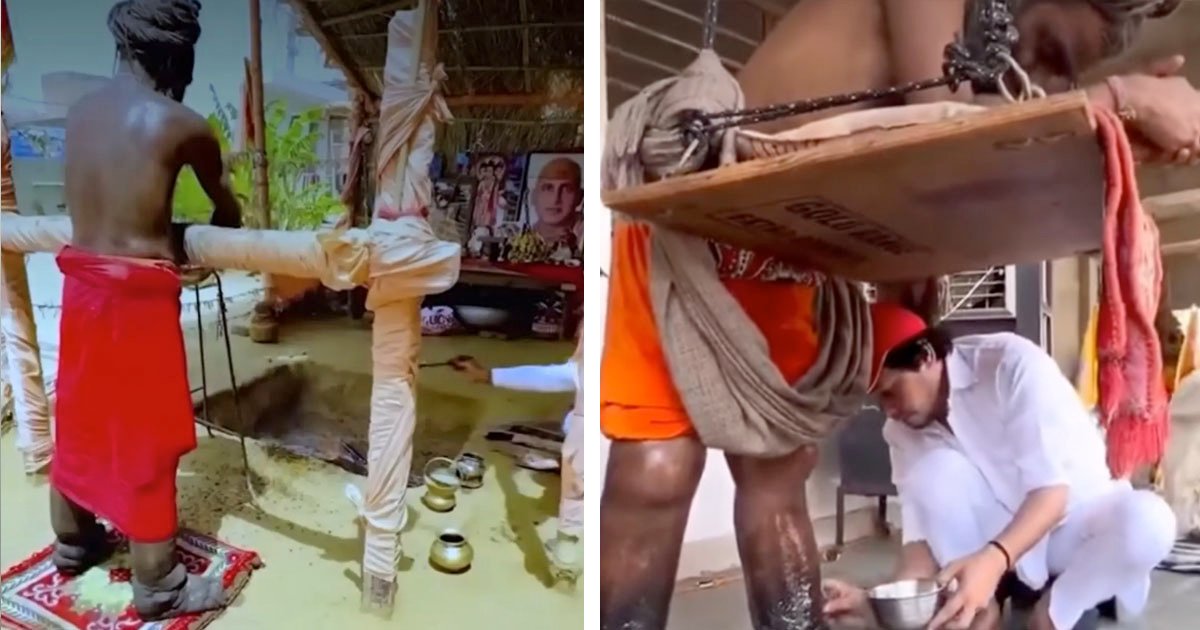
Daulat Giri Ji Maharaj has reportedly spent years following a religious vow that requires him to avoid sitting down. The commitment, which began in 2021, is intended to last for a total of 12 years.
His journey has become the subject of discussion because of the remarkable level of dedication involved and the physical challenges that can accompany remaining upright for extremely long periods.
According to reports about his spiritual practice, Maharaj belongs to a tradition sometimes described as the Khareshwari, a group associated with ascetic practices in which devotees commit themselves to remaining standing as part of a religious discipline.
The story offers a rare look at the intersection of faith, personal sacrifice, cultural tradition, and physical endurance.
A Spiritual Commitment Designed to Last 12 Years
For Maharaj, the commitment is not intended to be a temporary challenge.
Reports describe his vow as a long-term spiritual practice lasting 12 years.
Rather than sitting as part of an ordinary daily routine, he has committed himself to remaining upright throughout the period of the vow.
The practice requires significant adjustments to everyday life.
Activities that most people take for granted, including resting, sleeping, and recovering from physical fatigue, must be approached differently.
Support systems and specialized arrangements are reportedly used to help him remain upright while allowing him to rest.
The unusual nature of the commitment has led many people to ask how someone could maintain such a demanding practice for years.
For those who follow ascetic spiritual traditions, however, difficult disciplines can carry symbolic and religious meaning that extends beyond physical endurance.
Understanding the Tradition of the Standing Babas
Maharaj has been associated in reports with the Khareshwari tradition, sometimes referred to as the “Standing Babas.”
Ascetic practices have existed in different cultures and religious traditions for centuries.
They can involve fasting, extended periods of silence, isolation, meditation, or other forms of personal discipline.
The purpose of such practices varies depending on the individual and religious tradition involved.
For devotees who undertake demanding spiritual commitments, physical sacrifice may be viewed as part of a larger effort toward self-discipline, devotion, or spiritual reflection.
In Maharaj’s case, remaining standing is reportedly connected to his religious beliefs and his personal commitment to completing the vow.
The practice should therefore be understood within its cultural and spiritual context rather than simply as an endurance challenge.
How Daily Life Changes During a Long-Term Vow
Living without sitting requires an entirely different approach to everyday life.
Ordinary furniture, chairs, and sleeping arrangements are no longer part of the person’s routine in the usual way.
Reports indicate that Maharaj has relied on equipment and support systems to help manage the physical demands of remaining upright.
Harnesses and swing-like supports can provide periods of rest without requiring a person to sit in the traditional sense.
Volunteers and people around him have also reportedly played an important role in helping with daily care.
Long-term commitments of this kind require more than determination.
They also require planning, assistance, and a support network capable of helping the individual manage everyday activities.
The people assisting Maharaj have reportedly become an important part of his ability to continue the commitment.
The Physical Challenges of Extended Standing
Health professionals generally recognize that remaining in one position for long periods can place significant stress on the body.
Extended standing may affect circulation and can contribute to discomfort, fatigue, and swelling in the lower extremities.
Movement is normally an important part of maintaining healthy circulation.
When people walk, muscles in the legs help support the movement of blood through the circulatory system.
Remaining almost completely still for extended periods may reduce the benefits of that regular muscle activity.
Medical experts have warned that prolonged immobility, whether involving long periods of sitting, lying down, or standing without movement, can create health concerns.
The specific effects can depend on a person’s overall health, activity level, age, and other factors.
Reports about Maharaj have described visible changes affecting his legs and his ability to support himself.
These reports have contributed to public concern about the physical demands of his long-term commitment.
However, individual medical assessments should always be made by qualified healthcare professionals who have directly evaluated the person involved.
Why Movement Matters for the Human Body
The human body is generally designed to benefit from regular movement.
Walking and other forms of physical activity engage muscles, support mobility, and contribute to normal circulation.
This is one reason health professionals often encourage people with sedentary lifestyles to take regular movement breaks.
At the same time, standing continuously without meaningful movement is not the same as maintaining an active lifestyle.
Standing still for extremely long periods can create different physical stresses.
The story of Maharaj therefore provides an opportunity to understand the difference between ordinary physical activity and remaining in a single position as part of an unusual long-term discipline.
His situation is highly unusual and should not be viewed as a general health practice.
People considering significant changes to their physical routines should seek appropriate guidance from qualified health professionals.
A Personal Decision Rooted in Faith
One of the most important aspects of Maharaj’s story is that his decision is rooted in personal religious devotion.
Spiritual practices can be difficult for people outside a particular tradition to fully understand.
What may appear to an observer as an extreme physical challenge may carry a very different meaning for the person making the commitment.
For Maharaj, completing the 12-year vow reportedly represents an important spiritual objective.
His willingness to continue despite significant difficulties demonstrates the level of personal importance he places on the commitment.
At the same time, the story has also generated discussion about the balance between religious devotion and physical wellbeing.
Both perspectives can exist at the same time.
A person may deeply value a spiritual practice while medical professionals and observers remain concerned about the physical consequences.
Support From Volunteers and Followers
Reports indicate that Maharaj has received assistance from volunteers and others around him.
Such support is essential when a person follows a lifestyle that makes ordinary daily activities more complicated.
People may need assistance with practical tasks, personal care, meals, and maintaining a safe environment.
The presence of a support network also demonstrates that long-term spiritual commitments can involve communities rather than only individuals.
Followers and volunteers may see their assistance as a way of supporting the monk’s spiritual journey.
For outside observers, the level of care involved highlights how demanding the practice has become.
Reports of a Life Changed by Spiritual Devotion
According to reports, Maharaj made major personal changes in order to pursue his spiritual path.
His decision to dedicate himself fully to the vow reportedly affected other areas of his life, including his educational plans.
Choosing a spiritual path over a more conventional lifestyle can involve significant sacrifices.
Such decisions are deeply personal and often reflect the priorities and beliefs of the individual.
Maharaj’s story illustrates how dramatically a person’s daily life can change when they make an unusual long-term commitment.
His routine, physical environment, relationships with caregivers, and future plans have all reportedly been shaped by the vow.
The Remaining Years of the Commitment
Although Maharaj has already spent several years following the standing vow, reports indicate that he intends to continue until the full 12-year period is completed.
That means several more years remain in the commitment he began in 2021.
The decision has continued to attract attention because of the physical difficulties associated with such a prolonged practice.
For Maharaj, however, the focus reportedly remains on completing the spiritual commitment.
Whether observers agree with the practice or not, his determination has become the central element of the story.
It is a reminder that people around the world follow traditions and beliefs that can appear extraordinary to those unfamiliar with their cultural background.
Faith, Endurance and Public Discussion
Stories like Maharaj’s often create strong reactions.
Some people see extraordinary devotion and discipline.
Others focus primarily on the possible health consequences.
Both reactions reflect the unusual nature of the commitment.
The most balanced approach is to recognize the cultural and spiritual meaning of the practice while also acknowledging that prolonged physical immobility can raise legitimate health concerns.
Respect for religious belief does not require ignoring discussions about wellbeing.
Likewise, concern about health should not automatically dismiss the personal and cultural significance that a practice may hold for its followers.
An Extraordinary Journey Continues
Daulat Giri Ji Maharaj’s story is ultimately about an extraordinary personal commitment.
His vow has required him to organize his life around a spiritual discipline that most people would find difficult to imagine.
Years after beginning the commitment, he reportedly remains determined to continue.
The journey raises questions about faith, endurance, cultural tradition, and the limits of the human body.
It also demonstrates the importance of understanding unusual practices within their proper context.
For Maharaj and those supporting him, the vow represents a spiritual journey with a clearly defined goal.
For the wider public, it has become a remarkable story about dedication and the challenges associated with an uncommon religious practice.
As his journey continues, the story remains a powerful example of how personal faith can shape a person’s choices, lifestyle, and understanding of endurance.
While his commitment may be difficult for many people to imagine, Daulat Giri Ji Maharaj’s journey continues to attract attention as a unique example of spiritual discipline and long-term personal devotion.