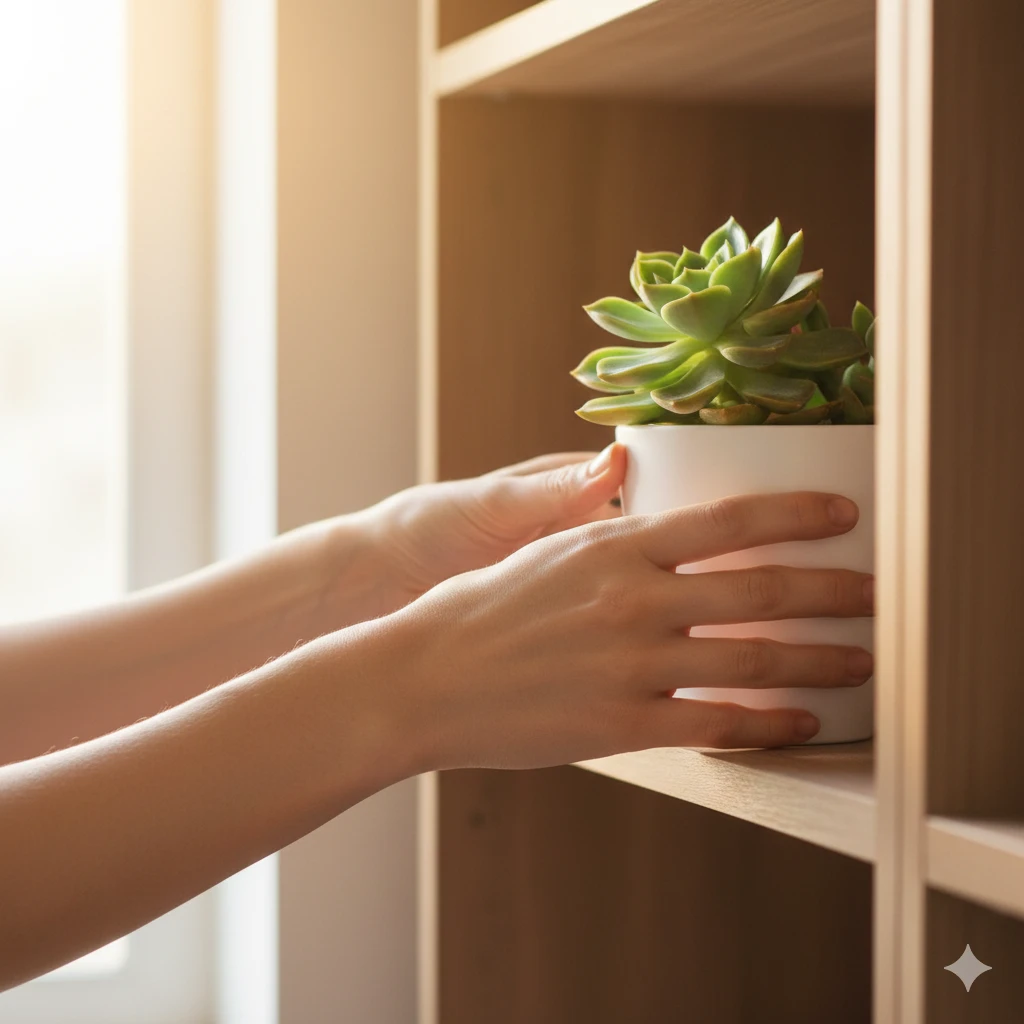
It happens to the best of us. When life throws its heaviest challenges — burnout, loss, endless to-do lists — the first things we let slide are often the silent signals of our self-care. It’s not always our diet or our appearance that goes first; it’s our home.
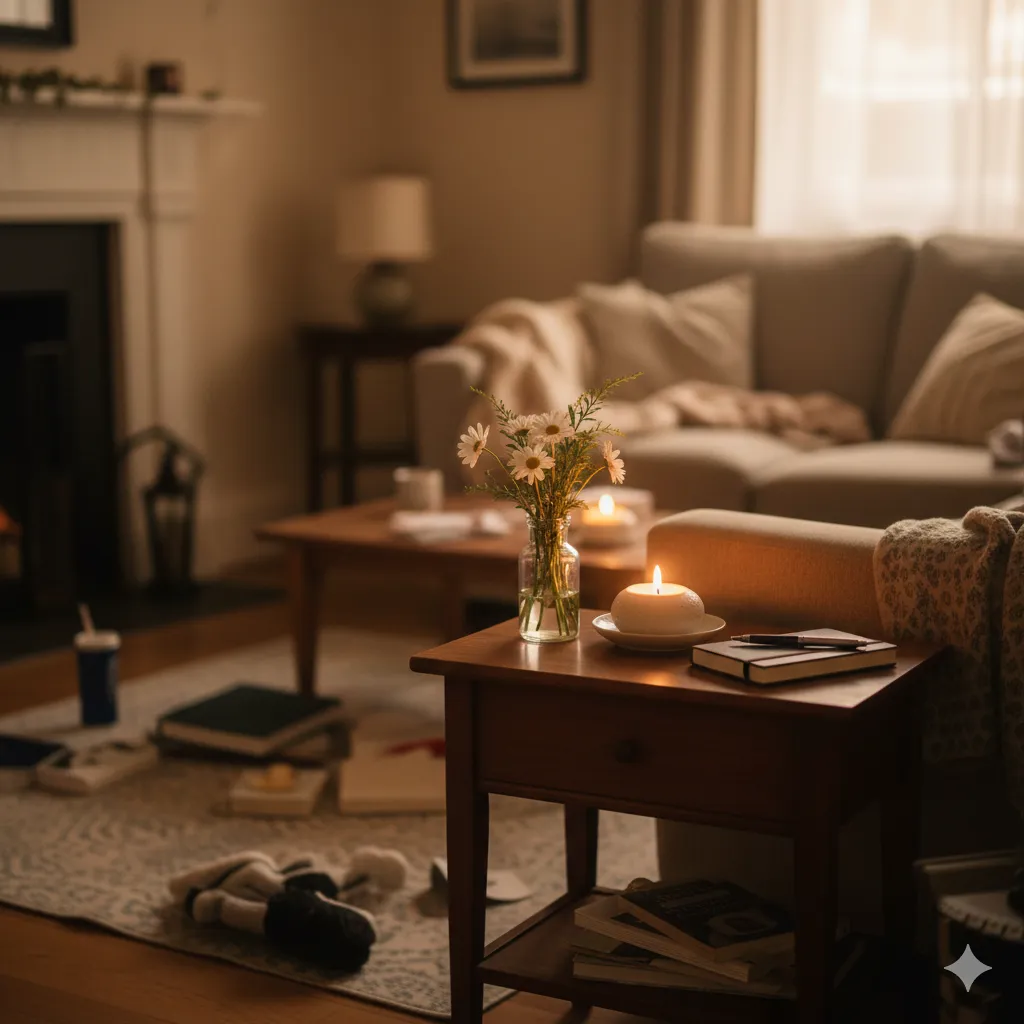
The gentle truth is this: the state of your house often mirrors the state of your heart and mind. Psychologists who study our living environments agree that a cluttered, disorganized, or neglected space can become a quiet, physical reflection of deep fatigue, sadness, or emotional disconnection.
This article is not about shame or judgment. It’s a moment of gentle awareness. Every dusty corner and every pile of laundry in your home tells a story about how you are treating yourself. If your surroundings are starting to feel overwhelming, it might just be your spirit asking for rest, renewal, and a little bit of tender loving care.
If you recognize the six signs below, please take heart. You are not lazy, and you are not alone. Every single, small act of cleaning or organizing can be transformed into an immediate act of healing and self-love. Let’s start today.
🛁 1. The Neglected Sanctuary: A Dirty Bathroom or Missing Essentials
Your bathroom is the space where you cleanse, refresh, and get ready to face the world. Psychologists suggest that the way we maintain this private space is intimately connected to our sense of self-image.
When the mirror is streaked, the sink is grimy, or there’s no soap, clean towel, or fresh tissue in sight, it’s often a sign of more than just a busy schedule. It can signal emotional exhaustion or a quiet feeling that “I don’t deserve a clean, beautiful space to care for myself.”
💡 Your Gentle Action Plan:
- The One-Hour Reset: Dedicate just one hour this week to a deep clean of the bathroom.
- Stock the Basics: Ensure the essentials are always present: nice-smelling soap, soft towels, and quality tissue.
- Add Joy: Place a small, beautiful object near the sink—a scented candle, a tiny vase with a flower, or a refreshing air diffuser. This small touch instantly elevates the space and your mood.
Helpful tools: Look for affordable, lovely home cleaning products and soft, calming bathroom scent diffusers to help you reclaim calm and confidence.
🛌 2. The Chaotic Catchall: An Unmade Bed and a Disorderly Bedroom
You begin and end every single day in your bedroom. Habit psychology studies repeatedly show that the simple act of making your bed each morning can set an immediate, productive, and peaceful tone for the day, reducing feelings of stress and anxiety.
When you wake up and come home to a chaotic, messy bedroom—piles of laundry, papers, and clutter everywhere—your mind struggles to find rest. Over time, this disorder can feed feelings of fatigue and a lack of motivation.
💡 Your Gentle Action Plan:
- The Morning Habit: Make your bed the very first thing you do—no need for perfection! Just pulling up the duvet sets your mind on order.
- Comfort is Key: Invest in a small touch of comfort, like a fresh pillowcase or a comforting blanket that feels good on your skin. Little details signal to your mind, “I care about this space, and I care about me.”
- Clear the Nightstand: Remove everything from your nightstand except a calming book, a lamp, and maybe a glass of water.
Small investment, big peace: Choose breathable bedsheets and calming throws that make you look forward to sinking into rest again.
🧺 3. The Ever-Growing Mountain: Piles of Laundry or Clothes Everywhere
Laundry isn’t just a never-ending chore—it’s a powerful reflection of order and self-respect. When clothes pile up into mountains, the mental clutter multiplies inside your head. Every undone task, every overflowing basket, whispers: “I’m behind. I’m overwhelmed.”
Allowing clean and dirty clothes to mix and stay wrinkled signals that you’ve stopped prioritizing the dignity and presentation of yourself, which can deeply impact your self-esteem.
💡 Your Gentle Action Plan:
- Designate a Day: Choose one specific day each week (even if it’s just one load) and stick to it.
- Hide the Clutter: Use covered laundry baskets or bins to keep the mess out of sight until laundry day.
- The Great Purge: Honestly assess and donate or store anything you haven’t worn in six months. Watching clean clothes folded neatly can instantly restore a small but profound sense of control.
🍽️ 4. The Self-Neglect Zone: A Greasy, Disorganized Kitchen
A messy kitchen affects more than cleanliness—it directly affects how you nourish and care for your physical body. Piled-up dishes, grease on the stove, or relying solely on takeout often point toward emotional neglect.
When you stop cooking or stop caring about what goes into your body, you might be unconsciously sending the message that your body isn’t worth the effort. Nutrition and self-esteem are closely linked.
💡 Your Gentle Action Plan:
- Clean the Hot Zone: Make a ritual of wiping the stove and kitchen counters after *every* meal. This prevents grime buildup and makes the space instantly feel usable.
- Simple Nourishment: You don’t need to cook gourmet meals. Just keep the counters clean and the fridge stocked with simple, healthy basics like eggs, fresh fruit, and easy-to-use vegetables.
- Dish Detox: Never go to bed with dishes in the sink. This small act guarantees you wake up to a fresh start.
🔨 5. The Message of Helplessness: Broken or Unrepaired Items
A flickering lightbulb, a broken drawer handle, a leaky faucet—these seem like minor inconveniences, but leaving them unattended sends a deeper, internal message: “I’ve given up fixing things.”
Neglected repairs mirror a quiet loss of motivation. Over time, they reinforce a feeling of helplessness, making you feel less capable of managing your life. Every small broken thing subtly drains your mental energy.
💡 Your Gentle Action Plan:
- The One-Fix List: Make a monthly list of three minor repairs and tackle just one of them each weekend.
- Ask for Help: If you can’t do it, call a friend or a handyman. Delegating is a sign of strength and self-respect, not failure.
- Feel the Power: Each fixed item—even just a tightened screw—will make you feel more capable, more in charge of your life, and instantly more comfortable in your home.
🖼️ 6. The Missing Identity: Empty Walls, Cold Spaces, or No Personal Touch
A house without warmth—bare walls, no photos, no plants, no personal items—can signal an emotional disconnect from the space, and perhaps, from yourself. Decorating is not vanity; it’s a necessary declaration of identity and comfort.
When a woman stops adding personal touches, she may have stopped seeing herself as someone worth celebrating, or she might be emotionally closed off from her environment.
💡 Your Gentle Action Plan:
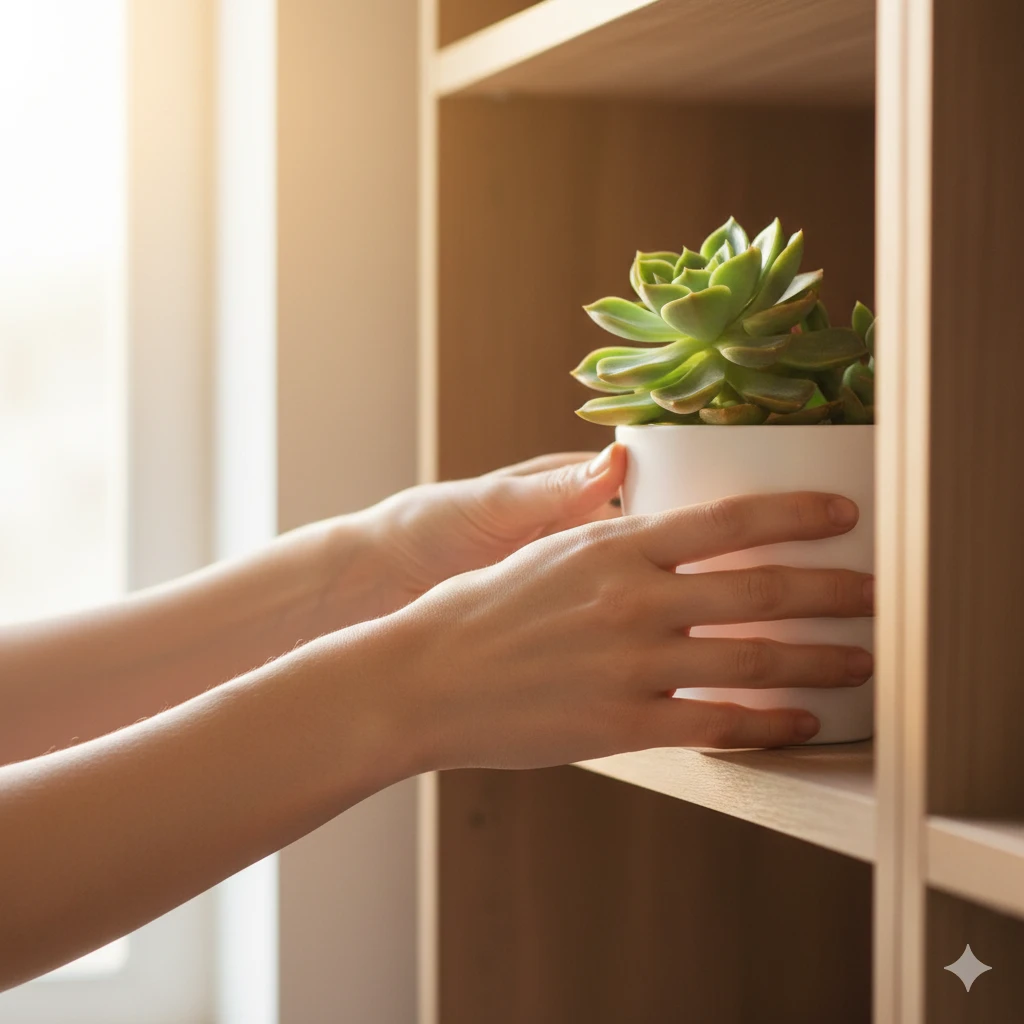
- Add Life: Bring in a small, low-maintenance houseplant near a window. Seeing something green and alive instantly boosts mood.
- Frame a Memory: Find one cherished photo and put it in a simple frame on your nightstand or desk. This is a gentle reminder of joy.
- Scent is Sanctuary: Choose a candle or oil diffuser with a scent that makes you feel peaceful, cozy, or safe (like vanilla, lavender, or pine).
💖 Your Home is a Reflection, Not a Verdict
Your messy house doesn’t mean you’re lazy—it signals that you’re struggling, hurting, or profoundly tired. Once you accept this truth, you can let go of the guilt and begin the work of gentle healing.
How to Reconnect With Yourself Through Your Home:
- Start Tiny: Pick one single surface—a desk corner, a shelf, or the kitchen table. Clear it completely, wipe it down, and decorate it only with things that bring you peace. Claim that small spot as your sanctuary.
- Embrace the Light: Open your blinds and windows every morning. Natural light and fresh air are proven mood boosters and sources of mental clarity.
- Celebrate the Small Victories: Washing the dishes, making the bed, or even just throwing out one bag of trash are acts of self-love in motion. Acknowledge and celebrate every single one.
Your home should tell you, every single day, “You matter.” It doesn’t have to look perfect—it just has to feel alive, tended, and loved. Because when you find the strength to start caring for your space again, you will rediscover the powerful strength to care for yourself.
Always be kind to yourself as you begin this journey. Healing is a process, and starting small is the bravest step of all.