That White String in Your Egg Isn’t a Mistake — It’s a Quiet Sign of Quality
Almost everyone who cooks with eggs has experienced this moment.
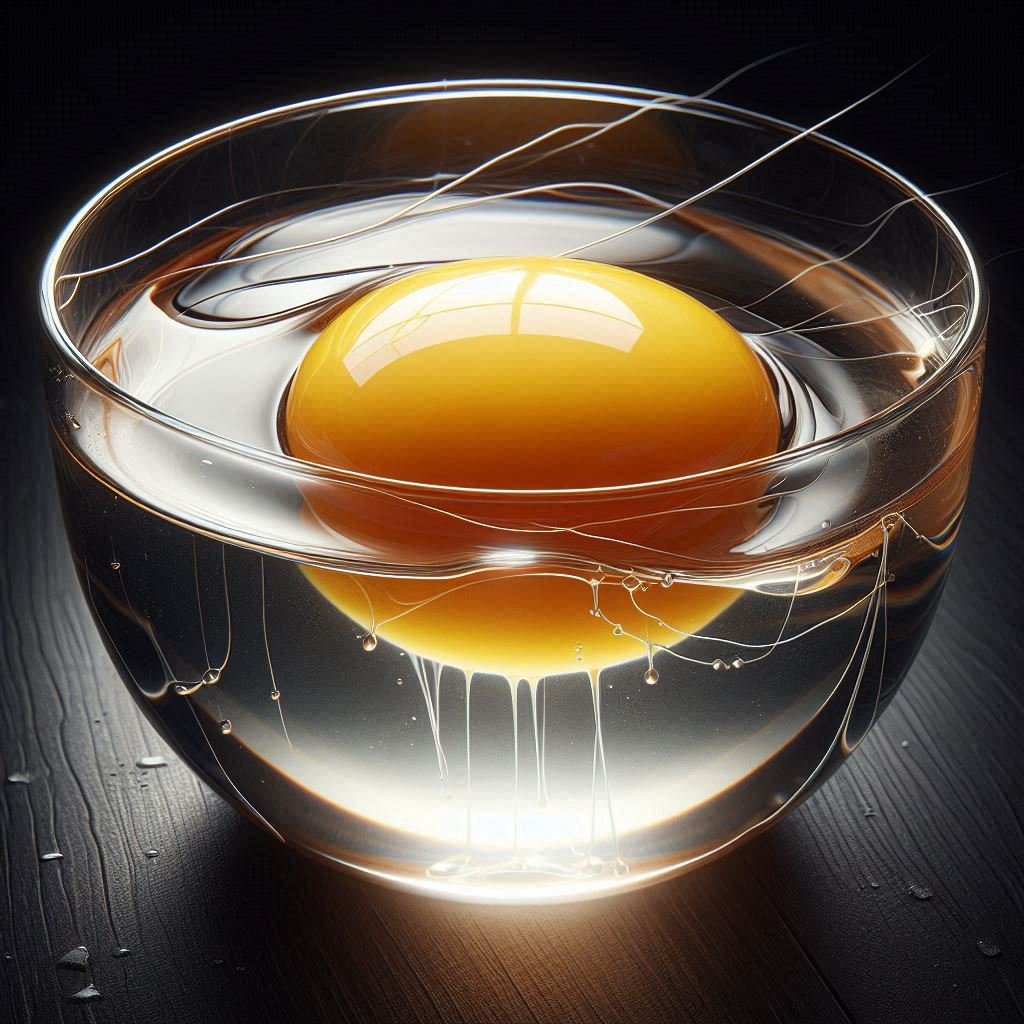
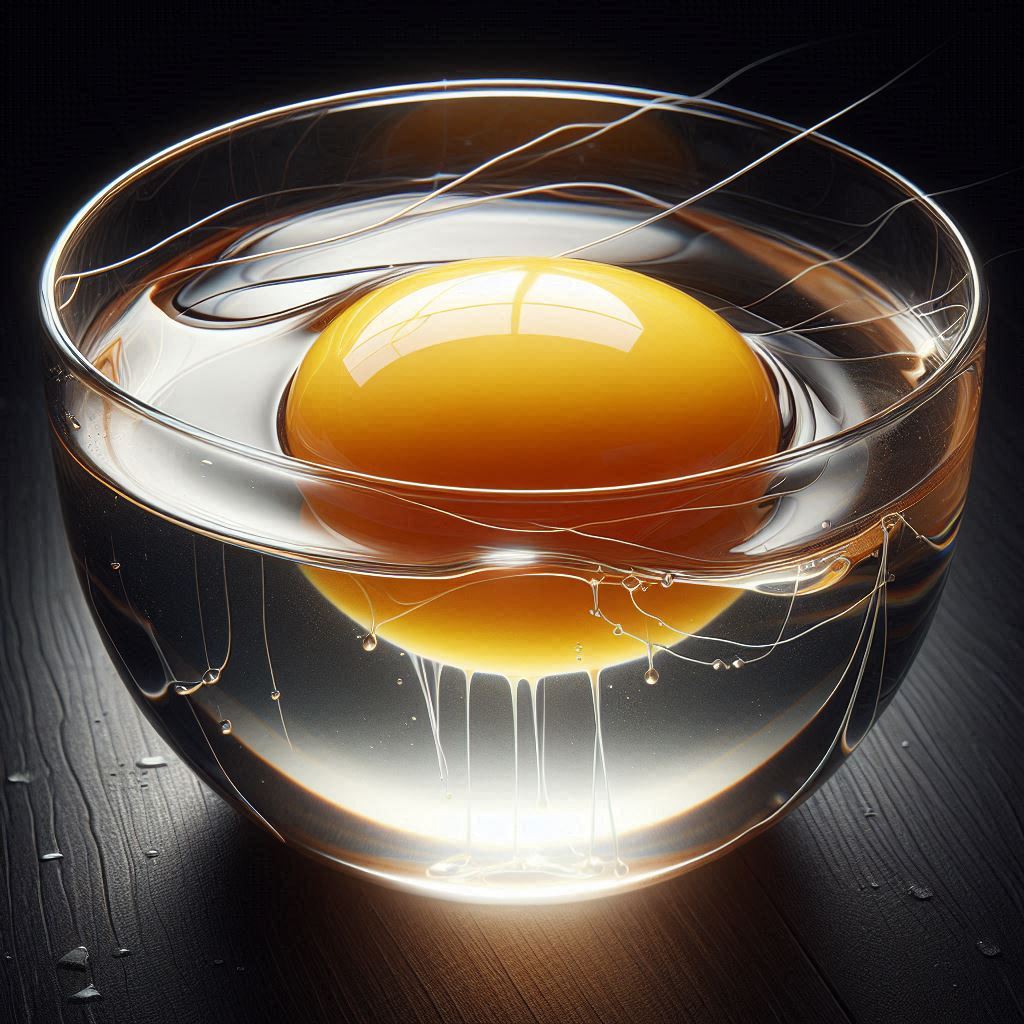
You crack an egg into a bowl, expecting the familiar sight: a golden yolk floating calmly in clear egg white. But then you notice something else — a pale, twisted strand clinging to the yolk. It looks stringy, unfamiliar, and just odd enough to make you pause.
For a split second, doubt creeps in.
Is something wrong with this egg?
Is it safe to eat?
Should I throw it away?
That hesitation is completely normal. But the truth behind that strange-looking strand is not only harmless — it’s actually reassuring.
The Surprise That Makes People Second-Guess Eggs
Home cooks are taught to trust their instincts. When something looks unusual, caution feels like the right response. The white, rope-like strand stands out because it doesn’t match what most people imagine an egg should look like inside.
Eggs seem simple on the surface. But once you look closely, they reveal a surprisingly complex design. That string you see isn’t an accident, a defect, or a sign of spoilage.
It’s part of how eggs are meant to work.
What That White String Really Is
That pale strand has a name: the chalaza.
Every egg has one — actually, two of them — although they aren’t always easy to spot. The chalaza forms naturally while the egg develops inside the hen. It’s not added during processing, and it’s not a sign that anything has gone wrong.
Think of the chalaza as a built-in support system.
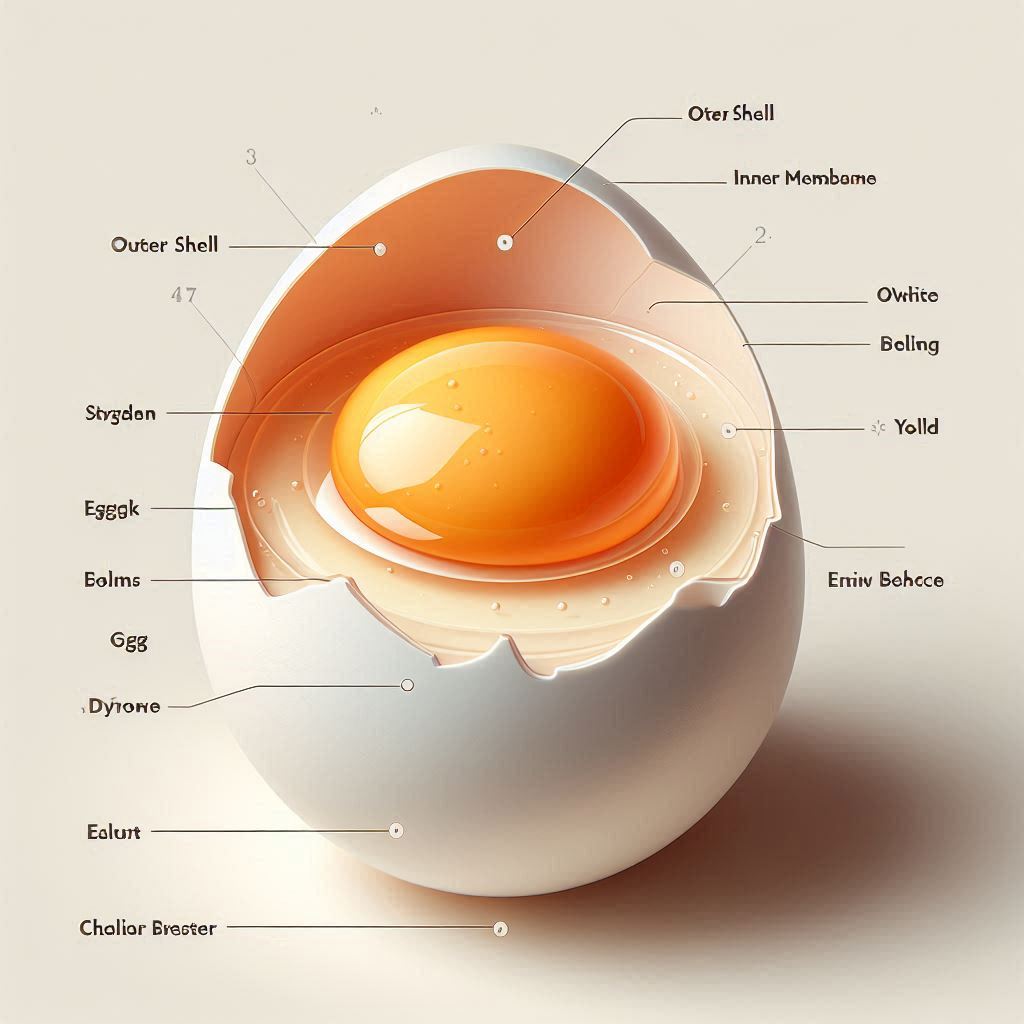
Inside the shell, the yolk needs to stay centered. If it pressed too closely against the shell, it could weaken or break. The chalaza helps prevent that by gently holding the yolk in place.
Structurally, it’s made from thickened egg white that twists into cord-like strands. These strands connect the yolk to the inner shell membrane, keeping it stable while still allowing natural movement.
Why It Looks So Strange
The chalaza surprises people because it doesn’t look like the smooth liquid egg white surrounding it. Instead, it’s thicker, more solid, and clearly visible.
That contrast is what makes it unsettling at first glance.
In reality, eggs are not hollow containers with a yolk floating freely inside. They are carefully structured biological systems. Every layer and component has a purpose.
Once the egg is cooked, the chalaza softens and blends right in. In scrambled eggs, omelets, or baked dishes, it disappears completely — which is why many people only notice it when cracking raw eggs.
Clearing Up a Very Common Myth
One of the most widespread misunderstandings is that the chalaza means an egg is fertilized or developing into a chick.
This is not true.
The chalaza appears in both fertilized and unfertilized eggs. It has nothing to do with reproduction. Its job is purely structural.
If an egg were fertilized, the early sign would look completely different — a small, flat spot on the yolk, not a rope-like strand. The chalaza is simply part of the egg’s internal architecture.
This myth alone has caused countless perfectly good eggs to be thrown away unnecessarily.
A Quiet Clue About Freshness
Here’s where things get interesting.
The visibility of the chalaza can actually tell you something useful: how fresh the egg is.
In fresh eggs, the egg white is thick and cohesive. That firmness helps the chalaza hold its shape, making it easier to see. The yolk also sits higher and feels firmer.
As eggs age, the egg white becomes thinner and more watery. The internal structure loosens, and the chalaza becomes less noticeable.
So if you see a clearly defined chalaza, it often means the egg is fresher, not worse.
Ironically, the eggs that make people hesitate are often the best ones.
Is It Safe to Eat?
From a food safety perspective, the chalaza is completely harmless.
It’s made of the same proteins as the rest of the egg white. There’s nothing foreign, contaminated, or unhealthy about it. You don’t need to remove it, and it doesn’t affect taste or texture.
Once cooked, it blends seamlessly into the egg.
If you’re making a dish where appearance matters — like a custard or clear broth — you can remove it with a spoon. But that’s a choice of presentation, not safety.
Does It Change the Nutrition?
Not at all.
The chalaza is simply protein. It doesn’t add or subtract anything meaningful from the egg’s nutritional value. Removing it won’t change calories, fat, or protein in any significant way.
For anyone focused on healthy eating, there’s no reason to treat it differently from the rest of the egg white.
Why Eggs Are Built This Way
Eggs are remarkable examples of natural design.
The shell protects against impact.
The membranes add another layer of defense.
The egg white cushions and nourishes.
The yolk delivers concentrated nutrients.
And the chalaza keeps everything centered and protected.
Even eggs intended only for cooking benefit from this structure. It helps maintain quality during storage, transport, and handling.
What looks like an odd detail is actually proof of how carefully eggs are engineered by nature.
How to Tell If an Egg Is Actually Bad
Instead of focusing on the chalaza, here’s what really matters:
- Smell: A bad egg has a strong, unpleasant odor.
- Color: The egg white should be mostly clear, not milky or discolored.
- Texture: Thick egg white and a firm yolk are good signs.
- Integrity: A broken or leaking yolk before cracking may indicate age or damage.
The presence of a chalaza is not a warning sign. In many cases, it’s the opposite.
Why This Small Detail Causes So Much Confusion
Many cooking habits are passed down without explanation. If someone once said, “That string means the egg is bad,” the idea sticks — even when it’s incorrect.
In reality, eggs are one of the most studied everyday foods. The chalaza isn’t a modern mystery or a processing byproduct. It’s a natural feature that has existed as long as eggs themselves.
Understanding this simple detail can reduce unnecessary worry — and unnecessary food waste.
The Simple Takeaway for Everyday Cooking
The next time you crack an egg and see that pale, rope-like strand, you don’t need to pause or panic.
It’s not a defect.
It’s not contamination.
It’s not a danger sign.
It’s the chalaza — quietly doing its job.
Sometimes, the things that make us hesitate aren’t warnings at all. They’re reminders that nature often works in ways we don’t immediately recognize, but can trust once we understand.
And now, the next time you see that little white string, you’ll know exactly what it means.